Problem Mares and Equine Infertility Evaluation
Some mares need additional reproductive evaluation before or during breeding season. The Equine Theriogenology Service at the Purdue University Equine Hospital helps owners and referring veterinarians evaluate mares that have not conceived, have not maintained pregnancy, or need a closer look at reproductive health before another breeding attempt.
A mare may be called a “problem mare” for many reasons. She may have failed to conceive after one or more breeding cycles. She may have a history of pregnancy loss. She may need evaluation for a possible uterine concern, breeding-associated infection, or other reproductive issue.
Call us at 765-494-8548 to request an appointment or discuss whether your mare may need an infertility evaluation.
How Purdue evaluates fertility concerns in mares
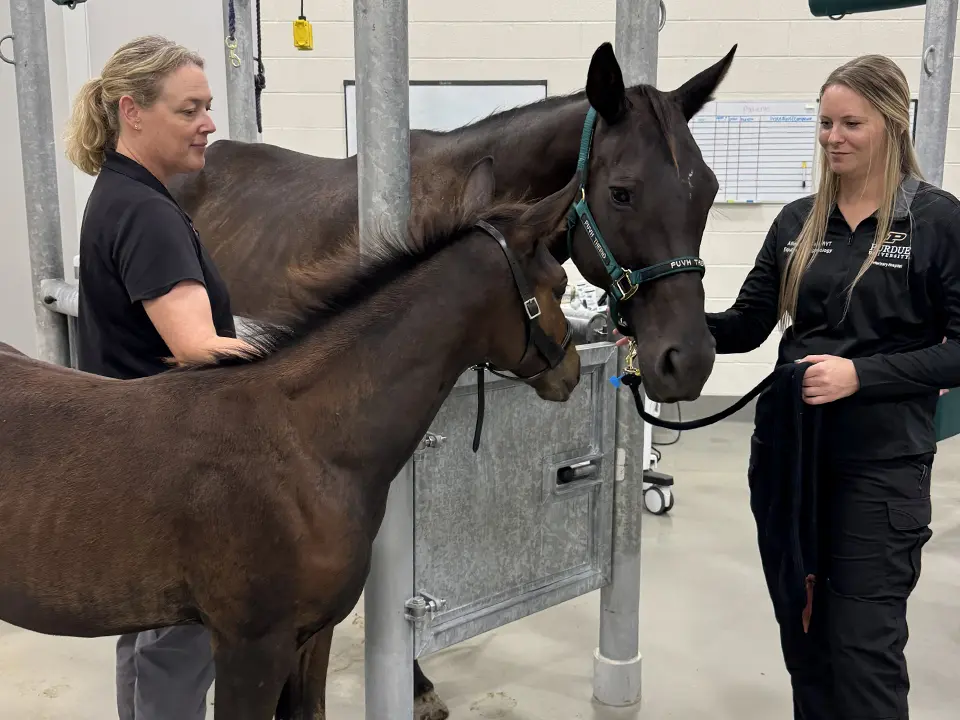
Mare infertility can have more than one contributing factor. The Equine Theriogenology Service works with owners and referring veterinarians to review the mare’s history, assess current reproductive status, and determine what next steps may be appropriate.
The goal is to better understand what may be affecting the mare’s ability to conceive or maintain pregnancy.
Review of breeding history
Review of previous pregnancy history
Reproductive examination
Ultrasound evaluation
Uterine biopsy
Hysteroscopy
Evaluation for breeding-associated infection
Breeding management recommendations
Follow-up planning for the next breeding attempt
Common reasons to seek an infertility evaluation
Contact the Equine Theriogenology Service if your mare:
- Has not conceived after previous breeding attempts
- Has conceived before but did not maintain pregnancy
- Has a history of reproductive tract concerns
- Has needed repeated breeding cycles
- Has possible breeding-associated infection
- Needs uterine biopsy or hysteroscopy
- Needs a breeding plan before the next season
- Needs reproductive evaluation before embryo transfer
- Has a reproductive concern that your veterinarian recommends for referral
Some mares benefit from evaluation before breeding season begins. Others may need assessment during an active breeding cycle. Early communication can help with timing and planning.
Uterine biopsy and hysteroscopy
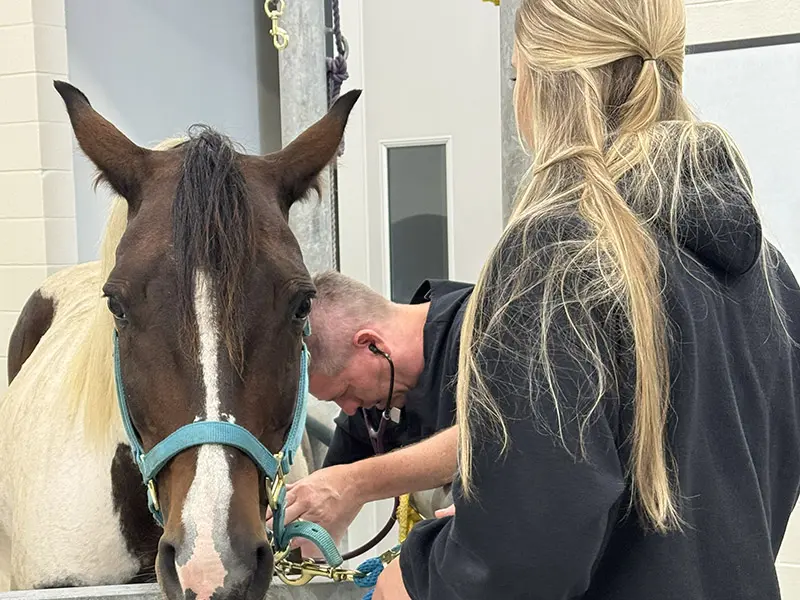
The Equine Theriogenology Service provides uterine biopsy and hysteroscopy as part of reproductive evaluation when appropriate.
A uterine biopsy can provide information about the uterine lining and may help guide reproductive planning. Hysteroscopy allows the veterinarian to examine the inside of the uterus using specialized equipment.
These procedures are used as part of a broader evaluation. The best approach depends on the mare’s history, examination findings, breeding goals, and veterinarian recommendations.
Breeding-associated infections
Breeding-associated infections can affect fertility and pregnancy outcomes. If infection is suspected, the mare may need veterinary evaluation before another breeding attempt.
The Equine Theriogenology Service can work with owners and referring veterinarians to evaluate reproductive concerns and determine appropriate next steps. Because each case is different, owners should not assume that one medication or one cycle will resolve the issue.
Seasonal reproductive changes
Seasonal changes can affect reproductive behavior and breeding management in mares. Some mares may need different planning depending on the time of year, cycle status, and breeding goals.
If you are preparing for breeding season, contact the service before ordering semen or making time-sensitive breeding decisions. Early planning gives the team time to review the mare’s history and coordinate the next steps.
Reproductive behavior and common misconceptions
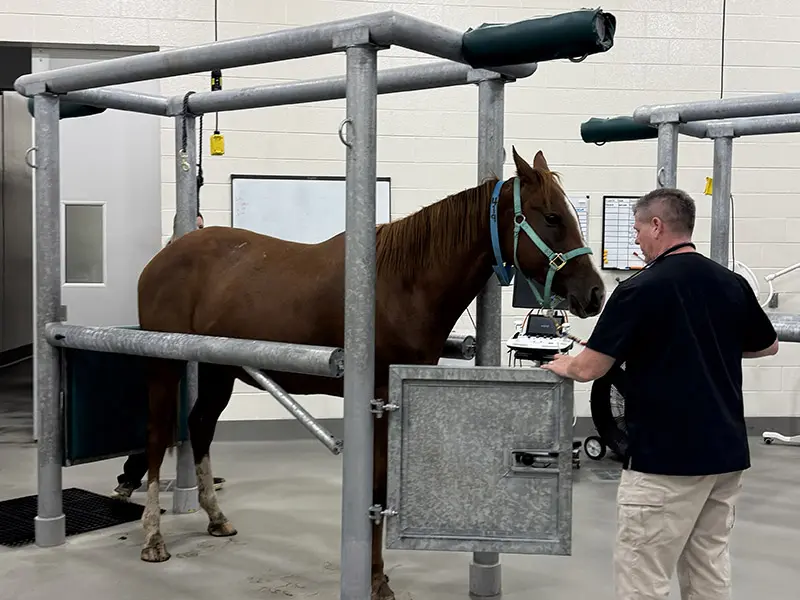
Not every behavior concern in a mare is caused by the ovaries or reproductive tract. Reproductive behavior can be influenced by several factors, and assumptions can lead to frustration or unnecessary treatment.
The Equine Theriogenology Service can help evaluate reproductive concerns and explain what may or may not be related to fertility, breeding management, or reproductive health. If a behavior concern is not reproductive in origin, the team may recommend working with your veterinarian to explore other possible causes.
What to expect
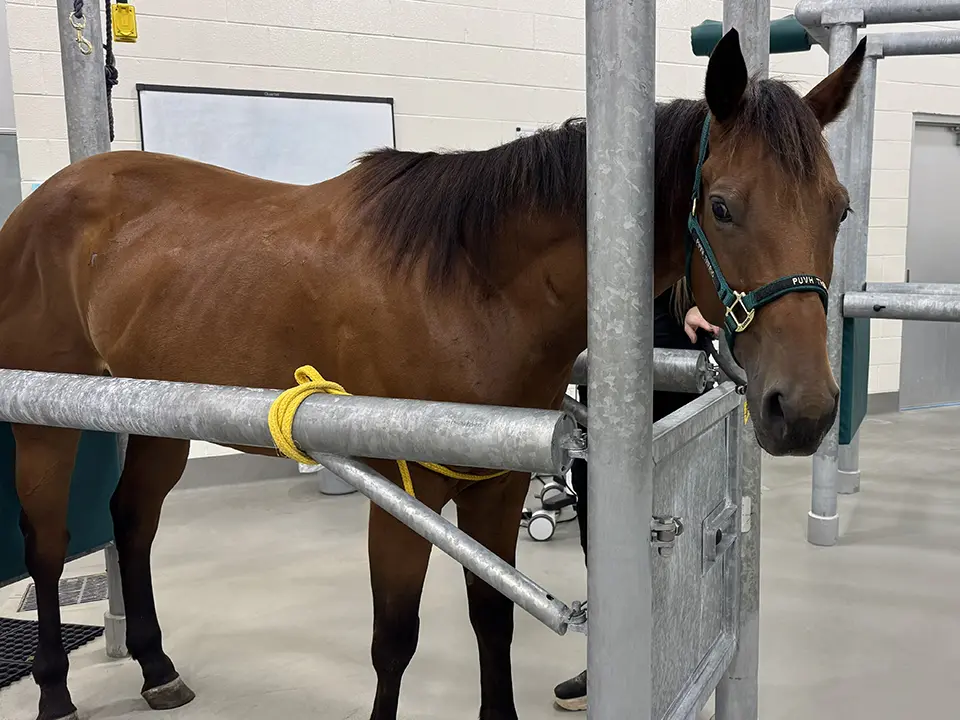
When your mare is evaluated by the Equine Theriogenology Service, the team may review records, ask about reproductive history, perform an examination, and use ultrasound or other diagnostic procedures when appropriate.
The next step may be additional evaluation, breeding management, follow-up with your referring veterinarian, or planning for a future breeding cycle. In some cases, the team may recommend waiting for a particular point in the mare’s cycle before certain procedures or decisions.
Because reproductive timing can matter, contact the service early when possible.
What information to have ready
When you Call us at the Equine Theriogenology Service, helpful information may include:
- Mare’s age
- Breed and use
- Current reproductive status, if known
- Number of previous breeding attempts
- Dates of previous breeding attempts, if known
- Semen type used in previous attempts
- Previous pregnancy history
- History of pregnancy loss, if applicable
- Prior reproductive examination findings
- Prior uterine culture, biopsy, or treatment history, if available
- Referring veterinarian contact information
- Current breeding goals
You do not need to have every detail before contacting the service. The team can help identify what information may be needed.
Theriogenology services
We offer a wide range of equine reproductive services.
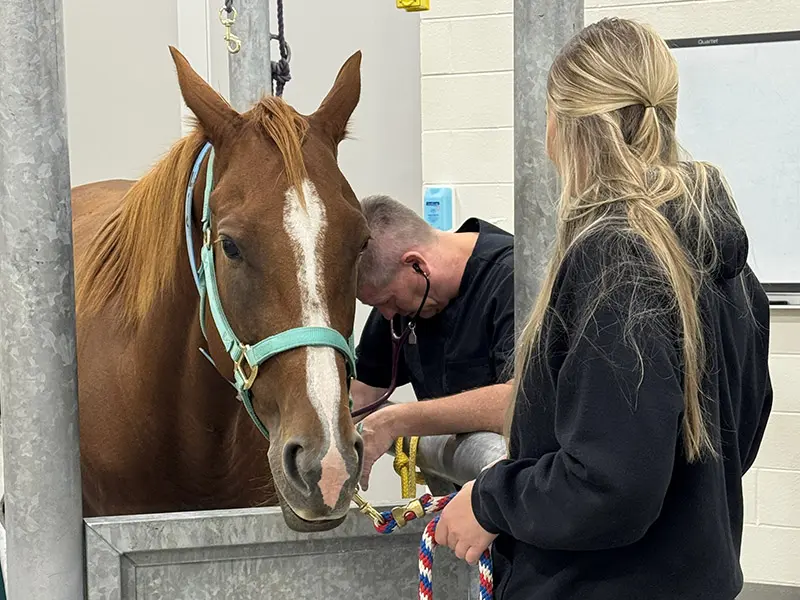
Mare Breeding Management and Artificial Insemination
For owners preparing to breed a mare using cooled or frozen semen.
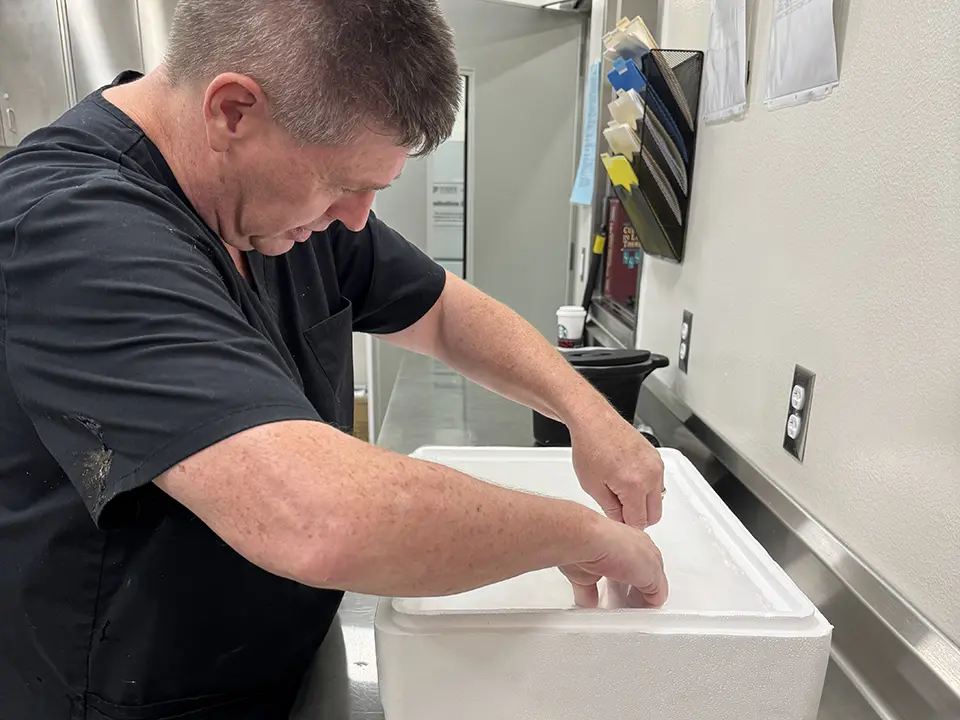
Equine Embryo Transfer and Embryo Freezing
For owners considering embryo transfer or embryo freezing as part of a breeding plan.

Problem Mares and Equine Infertility Evaluation
For mares that have not conceived, have a history of pregnancy loss, or need additional reproductive evaluation.
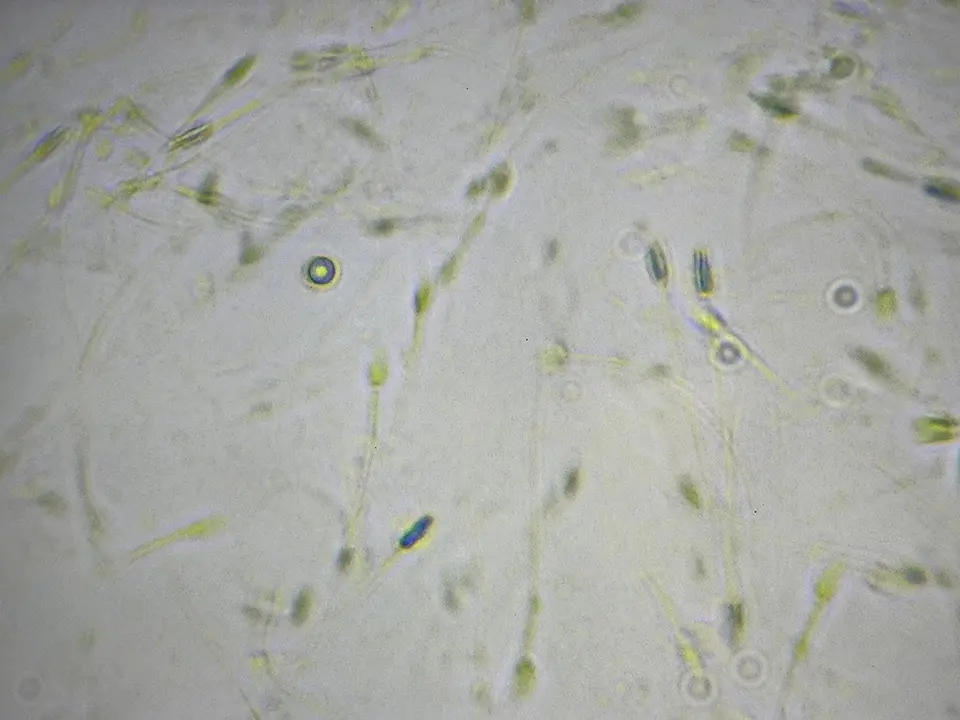
Stallion Semen Collection, Freezing, and Storage
For semen collection, semen freezing, semen storage, phantom training, and stallion fertility evaluation.
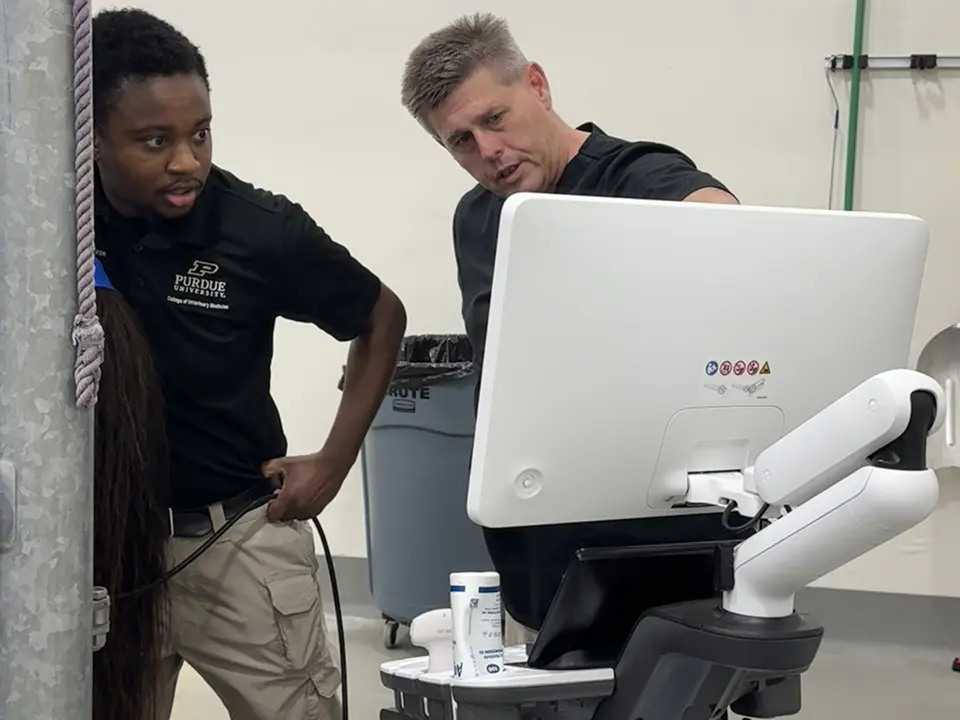
Pregnancy Ultrasound and High-Risk Pregnancy Care
For pregnancy detection, pregnancy monitoring, twin management, and high-risk pregnancy care.
Common questions
Request an appointment
The Equine Theriogenology Service at the Purdue University Equine Hospital helps owners and referring veterinarians plan and manage mare breeding.
Call us at 765-494-8548 to request an appointment or discuss breeding season planning.