
Careers in Small Animal Medicine
Build expertise. Earn trust. Make critical decisions every day.
Small animal veterinarians build long-term relationships with clients while solving complex medical problems. The work can include preventive care, diagnostics, surgery, emergency medicine, specialty care, and practice leadership, with far more variety and complexity than many people expect.
See the work Apply to be a Purdue DVM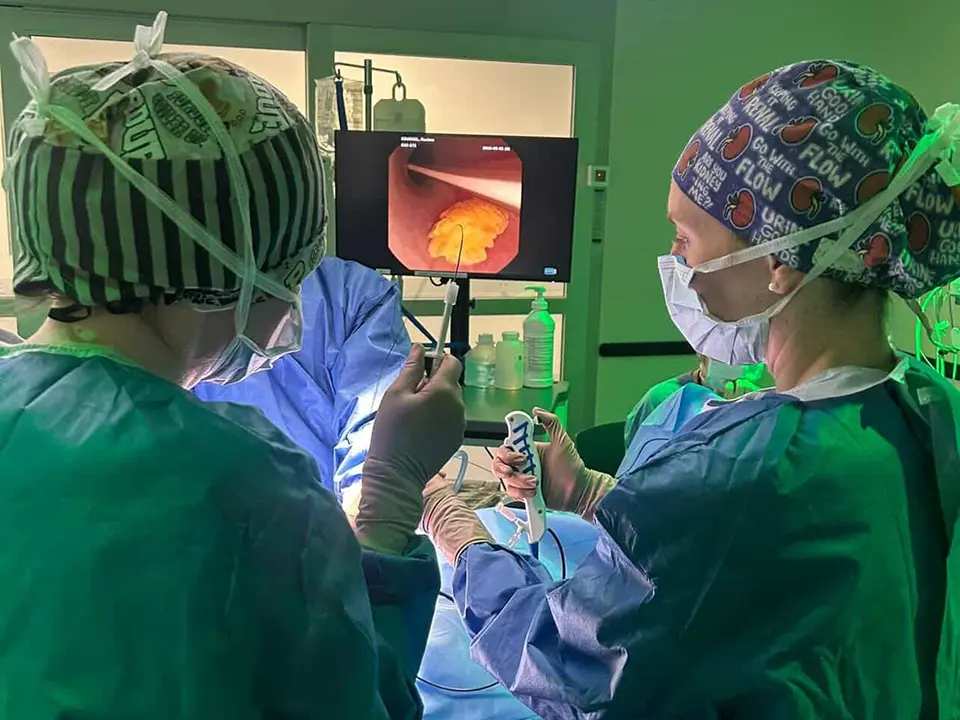
What small animal veterinarians do
From lifelong wellness care to advanced referral medicine
Small animal veterinarians care for patients through every stage of life while solving problems that range from routine prevention to complex, high-stakes medical cases. They may work as general practitioners, emergency clinicians, practice owners, or specialists.
Promote lifelong health
Provide examinations, vaccinations, screening, diagnostics, and preventive care that help patients stay healthy throughout their lives.
Solve complex medical problems
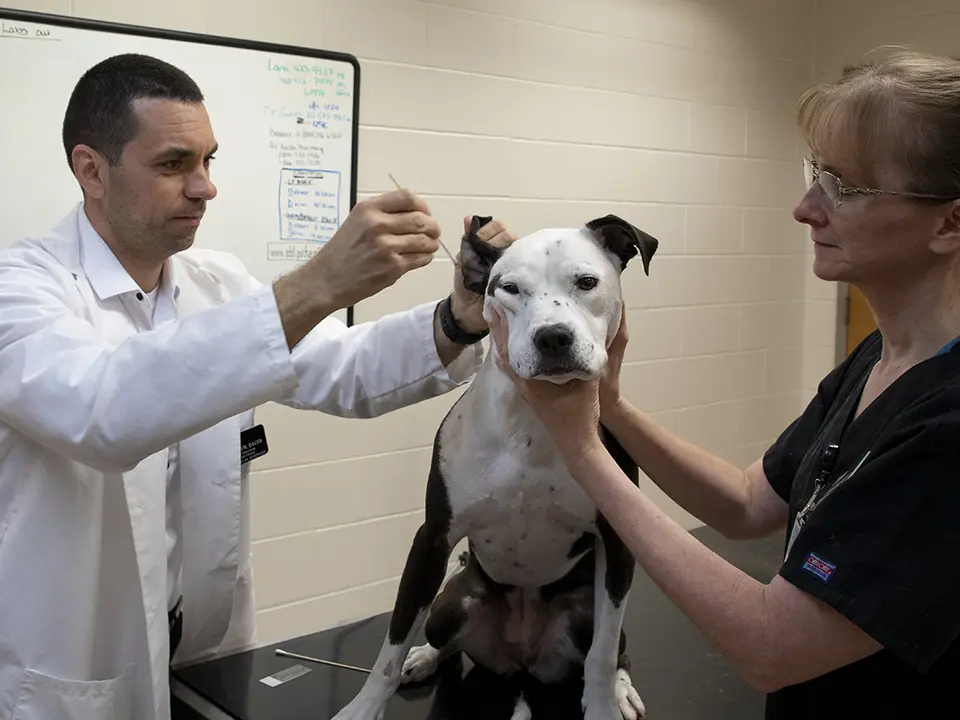
Investigate illness, interpret diagnostic findings, manage chronic conditions, and develop treatment plans for challenging cases.
Perform surgery and procedures
Use anesthesia, monitoring, surgical skills, and team-based care to treat injuries, disease, and other medical conditions.
Respond to emergencies
Stabilize critically ill or injured patients, prioritize urgent problems, and make rapid decisions when time matters most.
Provide specialized care
Develop expertise in areas such as oncology, cardiology, neurology, ophthalmology, dermatology, behavior, and other specialties.
Improve comfort and mobility
Use dentistry, pain management, rehabilitation, and other therapies to improve comfort, function, mobility, and quality of life.
Guide families through care
Build relationships with clients, explain options clearly, and help families make informed decisions throughout an animal’s life.
Lead teams and practices
Work with veterinary nurses, specialists, managers, and other professionals while helping lead teams, practices, and businesses.
Already know veterinary medicine is right for you?
Applications to Purdue’s DVM program are open.
Lower Debt, More Career Options
Begin your small animal career with the potential for a lower educational debt burden than veterinary graduates nationally.
Since 2020, Purdue’s mean educational debt among graduates with debt has remained about 20% to 30% below the national mean, giving graduates a stronger financial starting point as they pursue practice, advanced training, or other veterinary careers.
Beyond routine appointments
Every case combines medicine with communication
Small animal veterinarians explain what they are seeing, talk through options, understand what matters to each family, and help people make informed decisions for the animals they care about.
Paths in small animal medicine
Choose a setting, build a specialty, or lead a practice
Build relationships in general practice
Provide preventive care, diagnose illness, manage chronic conditions, and care for patients throughout their lives.
Handle urgent and critical cases
Work in emergency hospitals where rapid assessment, teamwork, and time-sensitive decisions are essential.
Develop specialty expertise
Work in referral hospitals and develop advanced expertise in areas such as surgery, internal medicine, oncology, cardiology, or neurology.
Improve health through shelter medicine
Care for individual animals while addressing disease prevention, population health, welfare, and community needs.
Own or lead a practice
Combine veterinary medicine with management, finance, team culture, client service, and strategic leadership.
Work in industry
Contribute to pharmaceuticals, nutrition, diagnostics, technology, product development, and clinical support.
Advance veterinary research
Study disease, diagnostics, treatments, and comparative medicine to improve animal and human health.
Teach and mentor
Educate future veterinarians, conduct research, provide specialty care, and contribute to academic medicine.
Business and leadership
A medical career with room to build and lead
Veterinarians can lead teams, shape standards of care, manage operations, build client relationships, and own or grow a practice. Medical expertise is central, but long-term success also depends on sound business judgment, communication, and leadership.
Training at Purdue
Build skills, sharpen clinical judgment, and prepare broadly
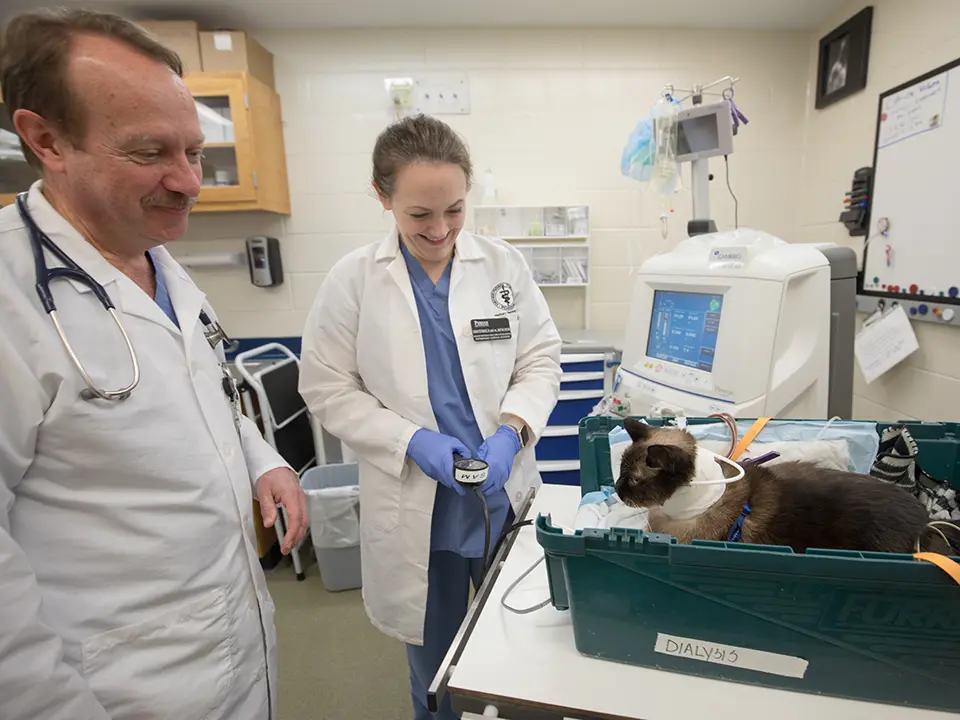
Purdue students build clinical skills throughout the first three years, then spend the fourth year entirely in clinical rotations. Track options allow students to focus their experience while maintaining a broad foundation across the major domestic and exotic species.
Practice essential clinical skills
Build experience in clinical techniques, communication, professionalism, business acumen, and wellness through Purdue’s Veterinary Skills and Competencies courses.
Learn through real clinical problems
Work through cases in small groups, apply scientific knowledge, find and evaluate information, and develop solutions with guidance from faculty coaches.
Shape your clinical focus
Choose the Small Animal, Companion Animal, Mixed Animal, or another track based on your interests and career goals.
Spend your fourth year in clinics
Complete a fourth year made entirely of clinical rotations, with required and elective experiences shaped by your selected track.
Built for what comes next
From early clinical preparation to strong employment outcomes
Build Skills Before Your Fourth-Year Rotations
Build and practice veterinary skills throughout your first three years, before entering your fully clinical fourth year.
The six-course Veterinary Skills and Competencies sequence develops clinical ability, communication, professionalism, and business acumen before students enter their fully clinical fourth year.
Career Outcomes You Can See
Move quickly from your DVM training into professional practice, supported by Purdue’s consistently strong employment outcomes.
More than 95% of Purdue DVM graduates were employed within one month of graduation in each of the past three reported classes, averaging 96.3% from 2023 through 2025.
Ready to take the next step?
Explore the path to Purdue Veterinary Medicine, understand what it takes to apply, and see how the DVM program can prepare you for a career in small animal medicine.
