
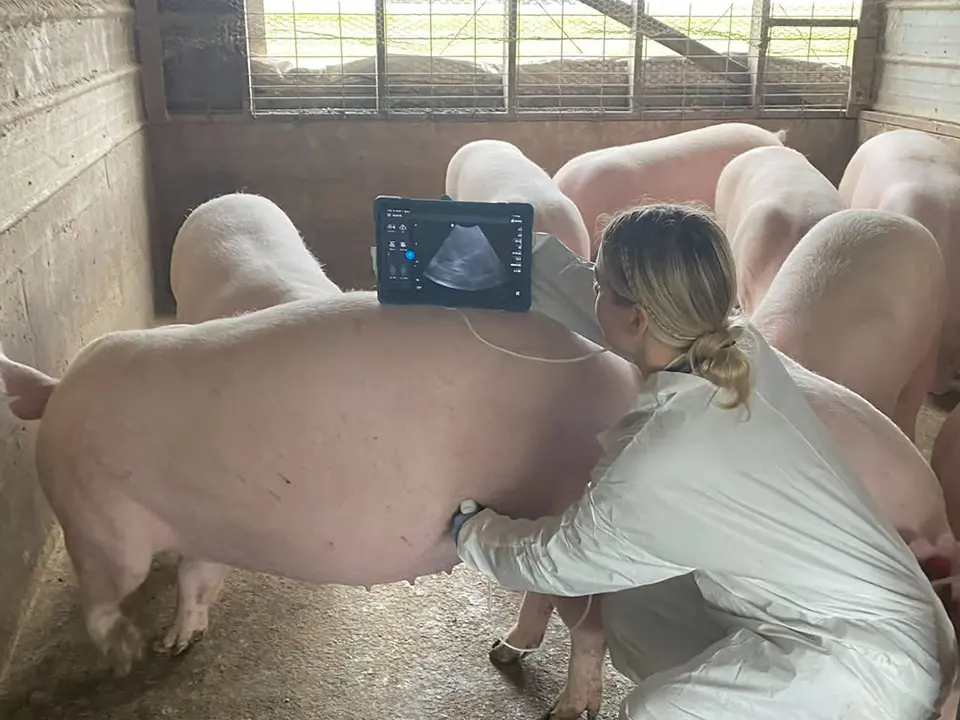
Farm Animal Medicine
Work at the intersection of individual animal care, population health, agriculture, business, biosecurity, and public health.
Explore Farm Animal MedicineVeterinary medical careers
Veterinary medicine brings together medicine, science, technology, communication, and leadership. Veterinarians solve health problems, care for animals, support families and agriculture, protect public health, respond to emergencies, and advance animal and human health.
A wider profession
The work reaches far beyond routine appointments. Veterinarians apply science, judgment, practical skill, and communication in settings ranging from hospitals and farms to laboratories, businesses, and public agencies.
Evaluate illness and injury, interpret evidence, and develop treatment plans for individual animals and groups.
Use surgical, imaging, laboratory, and other clinical skills to diagnose problems and care for patients.
Provide critical care, manage disease outbreaks, assist in disasters, and help protect animals when rapid decisions matter most.
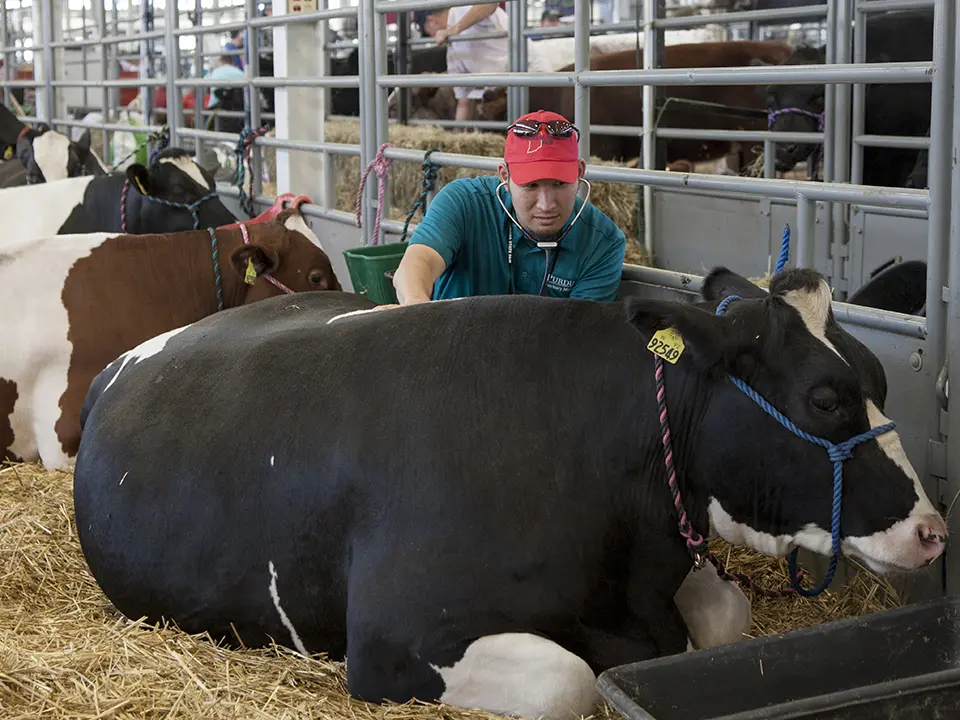
Protect individual animals, herds, livestock industries, and the food supply through prevention, biosecurity, and population health.
Help families care for the animals that are part of their lives, livelihoods, and well-being.
Advise families, producers, teams, businesses, and organizations when animal health, welfare, and livelihoods are at stake.
Connect animal, human, and environmental health to prevent disease, protect public health, and address challenges that affect us all.
Make new discoveries and develop treatments and public health approaches that improve the lives of animals and people.
Support national defense through military animal care, food safety, public health, research, and protection of military working animals.
Practice, specialize, manage, own a business, teach, conduct research, or serve in government and industry.
Applications to Purdue’s DVM program are open.
Purdue DVM graduates with educational debt have finished below the national mean every year reported since 2020.
Across six graduating classes, Purdue’s mean educational debt among graduates with debt has remained about 20% to 30% below the national average, including a 30% difference for the Class of 2025.
Choose where your work takes you
Explore three major clinical paths and the different problems, settings, and relationships that shape each one.
Work at the intersection of individual animal care, population health, agriculture, business, biosecurity, and public health.
Explore Farm Animal Medicine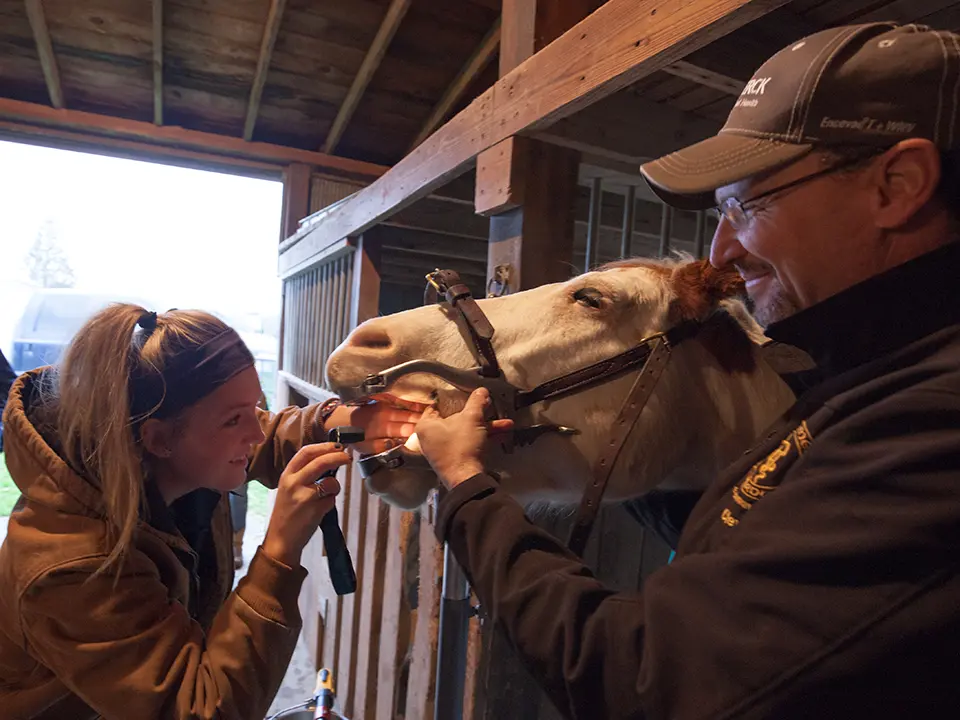
Combine advanced medicine, athletic performance, emergency care, surgery, reproduction, and field-based practice.
Explore Equine Medicine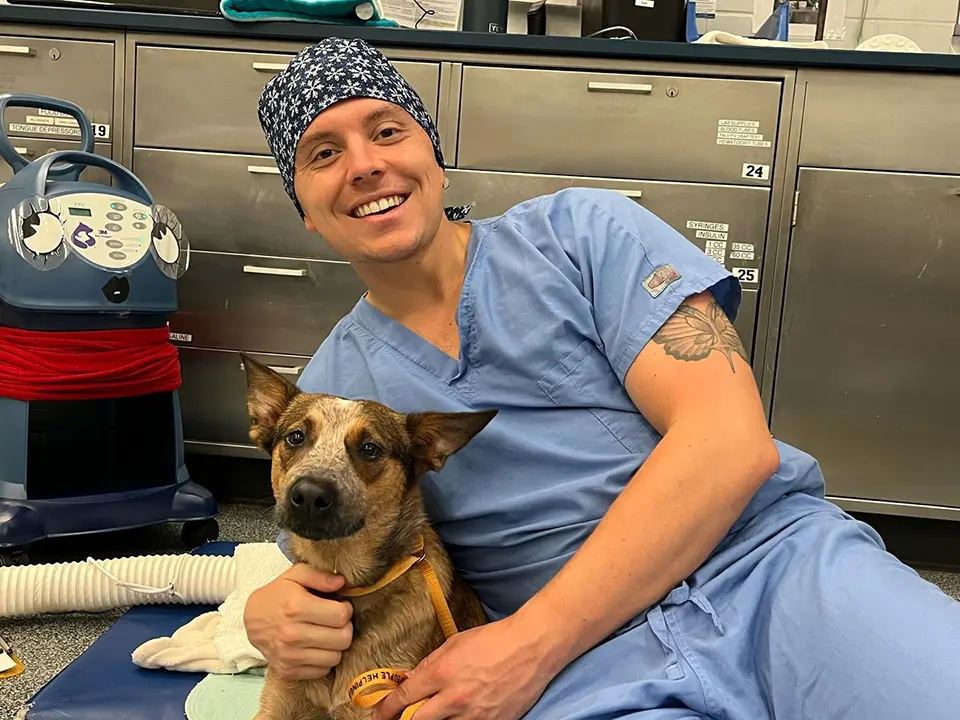
Build long-term client relationships while applying diagnostics, surgery, emergency care, specialty medicine, and leadership.
Explore Small Animal MedicineVeterinary medicine may fit you if you are curious about how living systems work and drawn to problems that do not always have obvious answers.
Ask yourself
Veterinarians think critically, use evidence, work with others, and make practical decisions that help animals, people, and organizations.
Explore the fitThe educational path
Complete the required college coursework, build a strong academic foundation, and gain meaningful animal and veterinary experience.
Submit your academic record, experiences, recommendations, and other application materials for admission to a DVM program.
Complete four years of scientific, clinical, professional, and hands-on veterinary education.
Pass required licensing examinations, meet state requirements, and begin practice or pursue advanced training.
Built for what comes next
As a Purdue graduate, you can move quickly from veterinary school into your career.
Across the Classes of 2023 through 2025, Purdue’s reported employment rate within one month of graduation averaged 96.3%.
Purdue gives you room to discover where veterinary medicine can take you.
Students choose from seven clinical tracks, including Equine, Farm Animal, Small Animal, Large Animal, Mixed Animal, Companion Animal, and Non-Practice pathways designed around different professional goals.
Explore the path to Purdue Veterinary Medicine, understand what it takes to apply, and see how the DVM program can prepare you for a career in small animal medicine.
