
A New Way to Track the Bacteria Behind Cattle Pinkeye
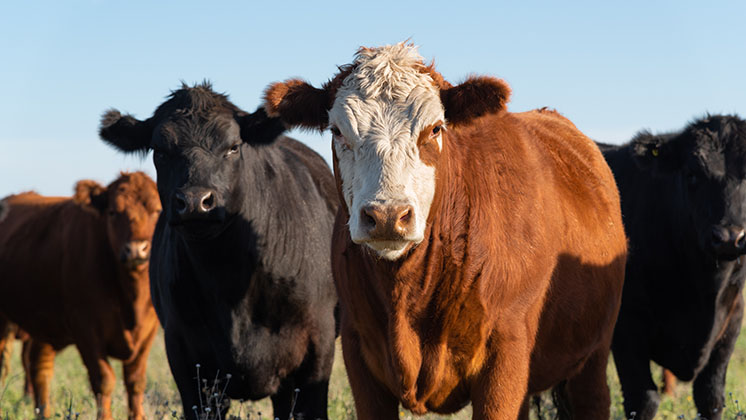
Pinkeye, formally known as infectious bovine keratoconjunctivitis, is one of the most common and costly eye diseases in cattle. It causes pain, vision loss, reduced weight gain, and significant economic losses for producers. For decades, scientists have known that a bacterium called Moraxella bovis plays a key role. More recently, other closely related bacteria have been found in affected eyes, raising an important question: which bacteria actually matter for disease, and which are simply part of the normal eye environment?
A study by Wilkes and colleagues introduces a powerful genetic tool that helps answer that question by identifying multiple Moraxella species directly from cattle eye swabs, without the need to grow them in the lab.
Why Identifying Pinkeye Bacteria Is So Difficult
Cattle eyes often contain more than one Moraxella species at the same time. Traditional diagnostic methods rely on culturing bacteria or sequencing a single genetic marker, approaches that struggle when multiple species are mixed together.
To make matters worse, some Moraxella species are genetically very similar. Commonly used markers, such as the 16S rRNA gene, often cannot reliably tell them apart. This has made it difficult for researchers to determine which bacteria are truly associated with pinkeye.
A Targeted Sequencing Solution
The researchers developed a targeted next-generation sequencing test designed specifically to distinguish three Moraxella species:
- Moraxella bovis, the established pinkeye pathogen
- Moraxella bovoculi, frequently detected but with an uncertain role
- Moraxella oculi, a newly described species found in both healthy and diseased eyes
Instead of focusing on a single gene, the test sequences several essential genes along with a ribosomal spacer region. This multi-gene approach allows for much more accurate species identification. Importantly, the test works directly on DNA extracted from eye swabs, avoiding the bias introduced by culturing bacteria.
What the Study Found
The team tested the assay on eye swabs from cattle with active pinkeye and from cattle with healthy eyes. Several key findings emerged:
- Nearly every sample contained all three Moraxella species, regardless of disease status.
- Moraxella bovis was present at higher levels in cattle with pinkeye.
- Moraxella bovoculi and Moraxella oculi showed no significant difference between sick and healthy animals.
- Moraxella oculi appears to behave like a normal resident of the cattle eye rather than a disease-causing agent.
These results reinforce the idea that Moraxella bovis is the primary driver of pinkeye, while other species may play more minor or indirect roles.
Why This Matters for Cattle Health
This targeted sequencing approach gives researchers and diagnosticians a clearer picture of the bacterial community in the cattle eye. With better tools, scientists can more accurately study disease risk, improve prevention strategies, and develop more targeted treatments and vaccines.
The Takeaway
Pinkeye is a complex disease involving multiple bacteria, but this study confirms that Moraxella bovis remains the main culprit. The new sequencing test provides a valuable way to study pinkeye more precisely and could help guide better control strategies in the future.
Readers interested in the technical details can find the full study in the Journal of Veterinary Diagnostic Investigation.
Suggested Articles

Why Do Some Dogs Keep Getting Urinary Tract Infections? | Indiana Animal Disease Diagnostic Laboratory
New research reveals why dogs get recurrent UTIs, showing the same E. coli strain often persists in the bladder and causes repeat infections.
Can Silver Nanoparticles Help Fight Drug-Resistant Infections? | Indiana Animal Disease Diagnostic Laboratory
New genetic testing reveals which Moraxella bacteria drive cattle pinkeye, helping researchers improve diagnosis, prevention, and treatment strategies.
