
Uncategorized
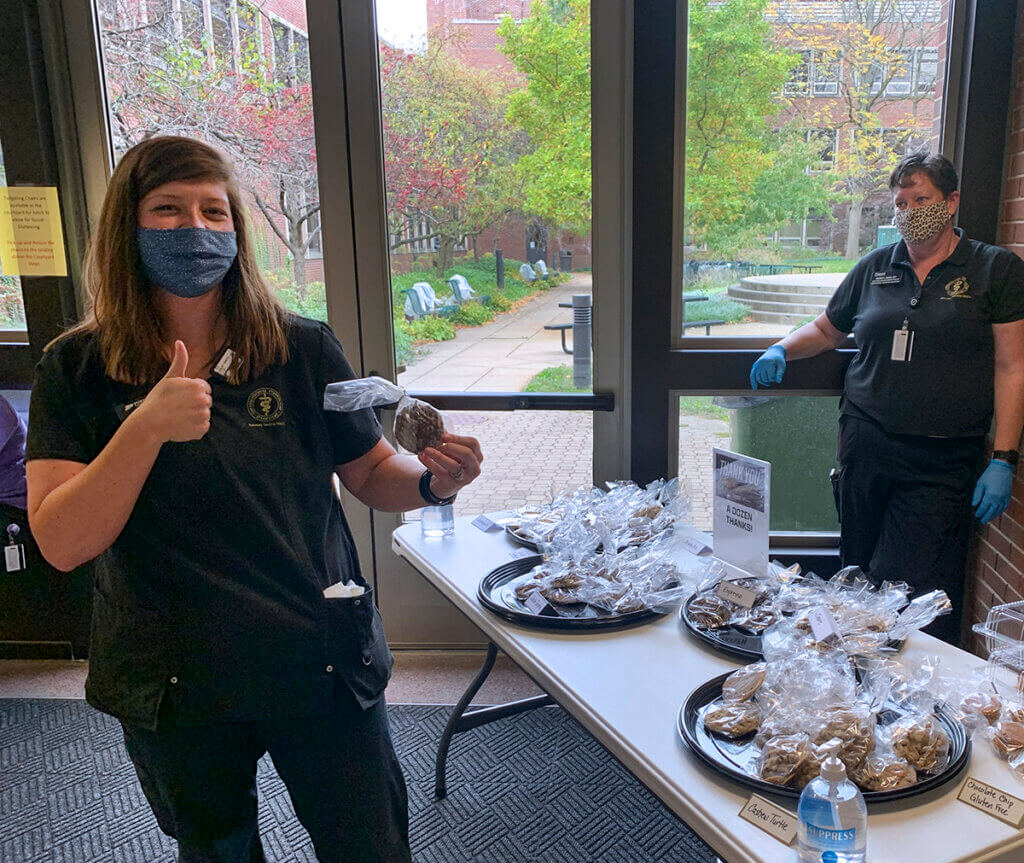
Gratitude Abounds During Veterinary Nursing Appreciation Week
October 16, 2020
Purdue Veterinary Medicine takes great pride in educating the entire veterinary team, and veterinary nurses are a big part of that team! To show its support and gratitude for veterinary nurses, the College of Veterinary Medicine held a week-long celebration of Veterinary Nursing Appreciation Week.
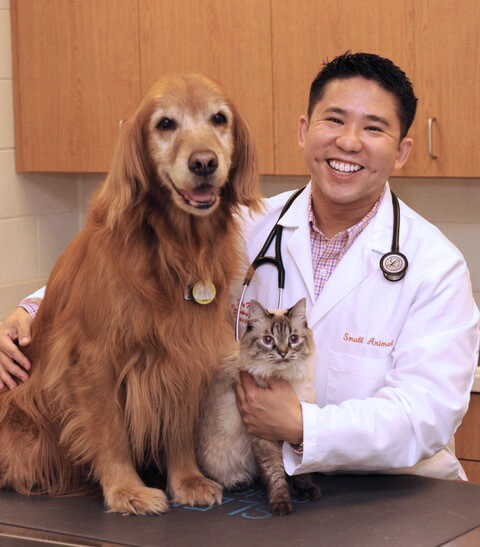
Human-Animal Bond Expert Shares How Service Dogs Do the World a Great Service
October 2, 2020
The kick-off event for the 2020 virtual Purdue Veterinary Conference featured an intriguing look at the life of service dogs. Held Tuesday, September 22, the Elanco Human-Animal Bond Lecture featured a Zoom presentation by Dr. Zenithson Ng, clinical associate professor of canine and feline primary care at the University of Tennessee College of Veterinary Medicine. The talk, which was open to the public, provided a unique glimpse into the life of a service dog and revealed ways people can help ensure the welfare of these animals.
COVID-19 and Animal Behavior
May 26, 2020
Just recently Purdue Veterinary Medicine’s Dr. Candace Croney was interviewed by Jim Richards on Newstalk 1010 about how COVID-19 is affecting animals and pets. You can listen along at iHeartRadio.
Plant closures prompt farmers to advertise hogs on Craigslist
May 11, 2020
Purdue Veterinary Medicine‘s Dr. Candace Croney, Director of the Center for Animal Welfare Science and Professor Animal Behavior & Well-being was interviewed by CNN on how the closure of meatpacking plants are forcing farmers to turn to Craigslist to sell their animals. Read the full story at Plant closures prompt farmers to advertise hogs on Craigslist on CNN.
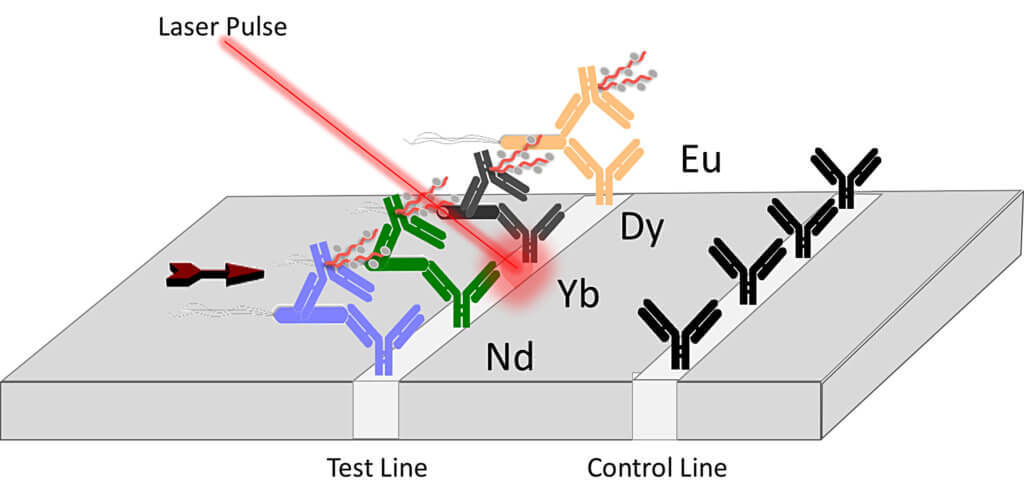
PVM Professor Helps Develop New Technology for Laser-Driven Pathogen Detection
February 21, 2020
Professor J. Paul Robinson in Purdue Veterinary Medicine’s Department of Basic Medical Sciences worked with a team of Purdue researchers to develop new technology to help stop the spread of foodborne illnesses, which kill 3,000 people a year. The technology combines innovative assays with laser pulses to detect these illnesses more efficiently.
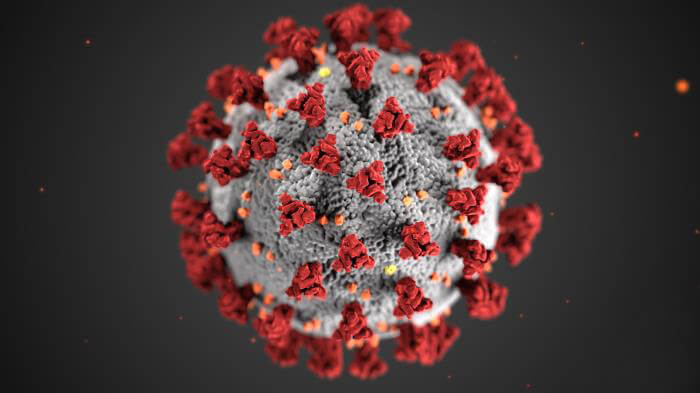
Purdue Veterinary COVID-19 Information
January 6, 2020
Official COVID-19 Information about Purdue University College of Veterinary Medicine, Purdue Veterinary Hospital, and Indiana Animal Disease Diagnostic Laboratory
Vet Up! College: Inaugural Graduation Celebrates Achievements
December 16, 2019
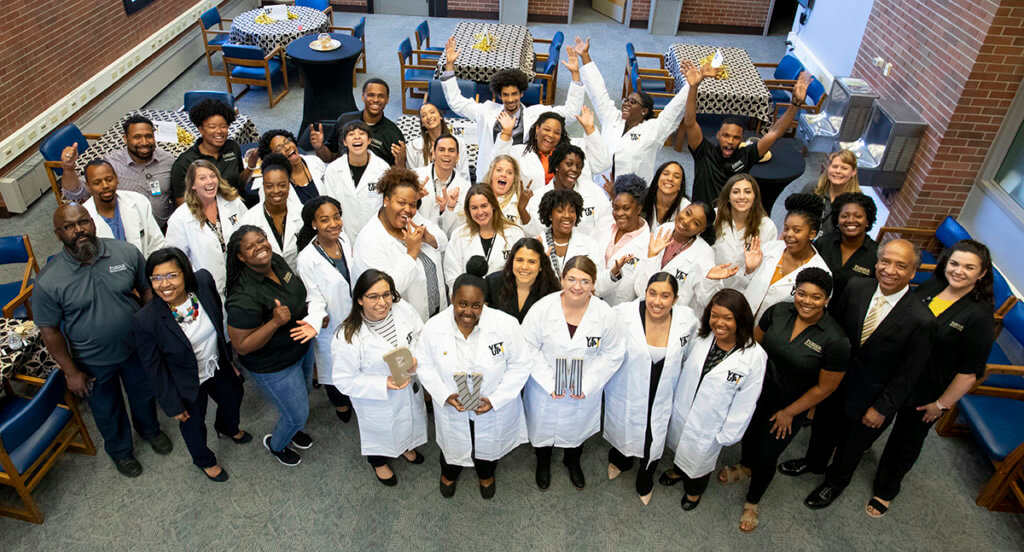
This summer, the Purdue University College of Veterinary Medicine welcomed its first class of Vet Up!® College students. Vet Up! College is a six-week program for undergraduate students who are serious about going to veterinary school. Participants experience first-hand what it is like to be a veterinary student.
The Seemingly Impossible, Made Possible
December 16, 2019
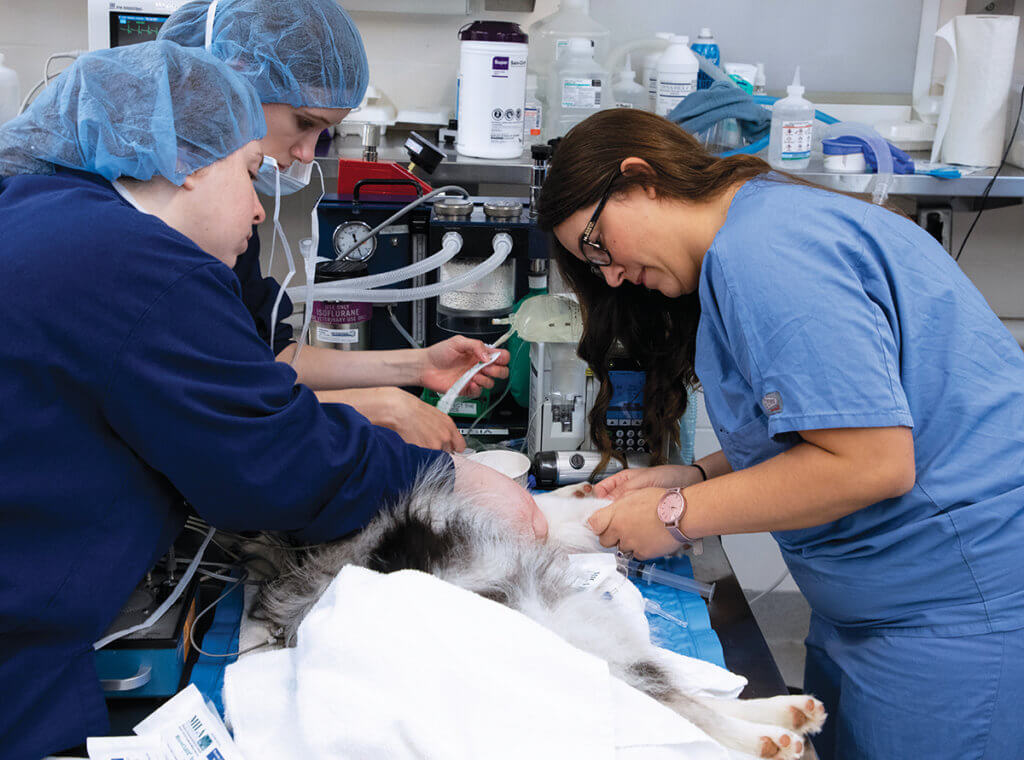
They said it couldn’t be done. So goes the oft-quoted expression used when people want to characterize a monumental challenge. That phrase might be considered especially true for Dr. Taylor Thompson (PU DVM 2019), who lived in opposition to the idea that she was pursuing something impossible when she gave voice to her heart’s desire of becoming a veterinarian.
Purdue University College of Veterinary Medicine’s Vet Up! program receives INSIGHT Into Diversity Magazine’s 2019 Inspiring Programs in STEM Award
August 19, 2019
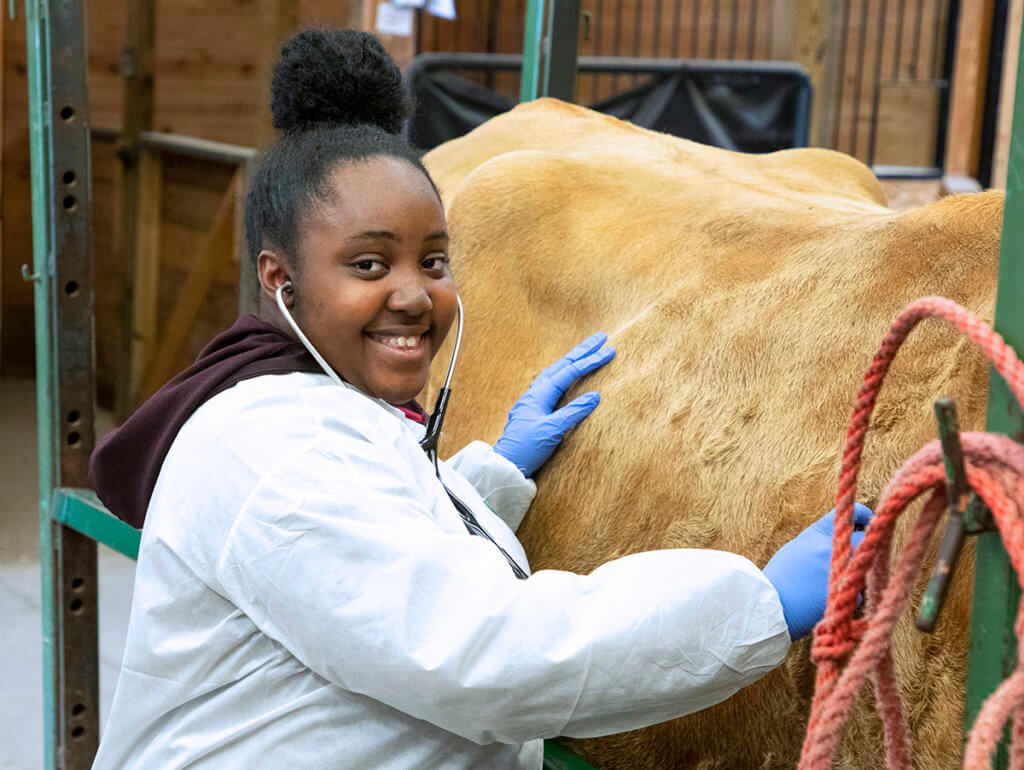
The Purdue Veterinary Medicine program called Vet Up!® The National Health Careers Opportunity Program (HCOP) Academy for Veterinary Medicine has received the 2019 Inspiring Programs in STEM Award from INSIGHT Into Diversity magazine – the largest and oldest diversity and inclusion publication in higher education. The program received the award because of its long-term goal of diversifying the veterinarian-scientist workforce, which is currently over 90% White. PVM is featured, along with 49 other recipients, in the September 2019 magazine issue.
Blue-green Algae Poisoning in Dogs and Livestock
August 16, 2019
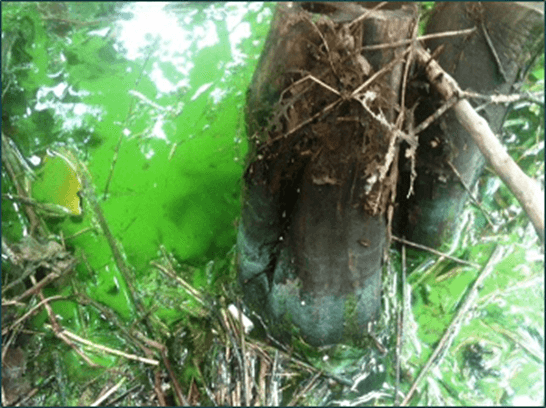
The vast majority of algae growing in lakes and ponds represents a normal part of a healthy ecosystem and are harmless to animals. This summer, there have been reports of dogs and other animals sickened after exposure to rapid growth of thick, sometimes odiferous, blue green algae (cyanobacteria) in lakes and ponds in the U.S.
