Pet Wellness: An Overview of Keeping Your Pet Healthy

When people think about veterinary care, they often think about treating illness or injury. However, a major focus of modern veterinary medicine is preventing disease before it starts. This approach is known as pet wellness, and it plays a critical role in helping pets live longer, healthier lives.
Pet wellness includes routine examinations, preventive care, and ongoing monitoring of your pet’s health throughout their life. By working closely with a veterinarian and staying proactive about care, pet owners can help detect potential problems early and reduce the risk of serious health issues.
What Is Pet Wellness?
Pet wellness refers to the collection of preventive medical practices designed to maintain optimal health. At the center of wellness care are physical examinations, which serve as the foundation for monitoring your pet’s overall condition.
A proper wellness exam integrates a pet’s signalment and medical history, including age, breed, sex, lifestyle, and previous health concerns, to provide a complete picture of the animal’s health.
A comprehensive wellness plan may include:
- Preventive health screenings
- Dental care
- Vaccinations
- Endoparasite control (internal parasites)
- Ectoparasite control (external parasites such as fleas and ticks)
- Genetic screening for breeding animals
Together, these elements help veterinarians identify risks early and develop care plans tailored to each pet.
Wellness Exams Throughout a Pet’s Life
Pets have different healthcare needs at different stages of life. Wellness programs are often organized around life stages, ensuring that care evolves as animals age.
Pediatric and Adolescent Pets (0–2 Years)
The earliest stage of a pet’s life is one of rapid growth and development. Veterinary evaluation is recommended immediately after acquiring a new puppy or kitten.
Young pets typically require wellness visits every 3–4 weeks until they are about 14–16 weeks old. During this time, veterinarians focus on:
- Vaccinations
- Treatment and prevention of internal parasites
- Flea and tick prevention
- Nutrition guidance
- Behavior and socialization
- Early dental care
Spaying or neutering is commonly recommended between 4 and 6 months of age, depending on the animal and veterinary advice. Social maturity generally occurs between 18 and 36 months.
Adult Pets (2–6 Years)
During adulthood, many pets appear healthy and active, but preventive care remains important. Most veterinarians recommend annual or semiannual wellness visits for adult pets.
These visits often include:
- Nutritional assessment
- Dental care monitoring
- Metabolic screening tests
- Parasite control
- Vaccination updates
Many dogs require their first professional dental cleaning between ages 3 and 5, depending on breed and oral health.
Mature, Senior, and Geriatric Pets (7 Years and Older)
As pets age, their risk for chronic conditions increases. For this reason, veterinarians typically recommend wellness visits every six months for senior pets.
These appointments may focus on:
- Metabolic screening
- Dental care
- Behavioral changes
- Diet and nutrition adjustments
- Parasite prevention
- Vaccination updates
Life expectancy varies by species and breed. For example:
- Small dogs often live 14–16 years
- Large dogs 12–14 years
- Giant breeds 9–10 years
- Cats commonly live 15–17 years
Regular exams during the senior years help detect age-related diseases early.
Nutrition and Maintaining a Healthy Weight
Nutrition is another important part of pet wellness. Studies suggest that at least 25% of pets are overweight, which can contribute to a variety of health problems.
Veterinarians help determine a pet’s optimal weight range, which can vary based on breed and size. In smaller pets, even a one-pound change can be significant, while large breeds may have a five-pound variance within a healthy range.
Exercise is equally important. Similar to human fitness guidelines, pets benefit from regular physical activity. Many experts recommend 40–45 minutes of daily activity, such as:
- Two 20-minute exercise sessions
- Three 15-minute sessions spread throughout the day
Veterinarians often encourage owners to “feed to feel,” adjusting food portions based on body condition rather than relying solely on package recommendations.
Understanding Body Condition Scoring
Veterinarians use Body Condition Scores (BCS) to evaluate whether pets are underweight, ideal, or overweight.
Two common scales are used:
1–5 Scale
1 – Emaciated
2 – Thin
3 – Ideal/fit
4 – Overweight
5 – Obese
1–9 Scale
1 – Emaciated
3 – Thin
5 – Ideal/fit
7 – Heavy
9 – Grossly obese
These scoring systems help veterinarians track changes over time and recommend adjustments to diet and exercise.
Grooming and General Care
Regular grooming also contributes to overall wellness.
For example, nail trimming should typically occur every two weeks. Long nails can snag on objects and tear, which can cause bleeding and pain if the nail breaks below the quick.
Hair and skin health are also important indicators of overall wellbeing. Pet hair differs significantly from human hair and requires products specifically designed for animals. Shampoos formulated for dogs or cats should always be used, as human shampoos, even baby shampoo, can be harsh on their skin.
A healthy coat helps protect pets from environmental elements and can provide early clues about nutrition, allergies, or other health concerns.
Preventive Health Screenings
Preventive screenings play an important role in detecting disease early. Blood tests such as a complete blood count (CBC) and blood chemistry profile help veterinarians monitor organ function and identify underlying conditions.
These screenings are particularly valuable in older pets and may help detect issues such as:
- Kidney disease
- Liver disease
- Endocrine disorders, including hypothyroidism or hyperthyroidism
Early detection allows treatment to begin sooner and can greatly improve outcomes.
Dental Health Matters
Dental care is about far more than fresh breath. Plaque and tartar buildup can introduce bacteria into the bloodstream, potentially affecting the heart, kidneys, and other organs.
Regular dental care can significantly extend a pet’s life.
Brushing your pet’s teeth helps slow plaque buildup and may extend the time between professional cleanings. However, it does not replace veterinary dental procedures.
Professional dental cleanings, known as dental prophylaxis, involve ultrasonic scaling, probing for gum disease, dental X-rays, polishing, and a fluoride rinse. Because pets cannot remain still for these procedures, cats and dogs must be placed under anesthesia during professional cleanings.
The Role of Vaccinations
Vaccinations are a cornerstone of preventive veterinary medicine. A vaccine contains weakened or inactive components of infectious organisms that stimulate the immune system to produce protective antibodies.
If the animal later encounters the disease, the immune system can respond quickly and effectively.
Vaccines have helped control many dangerous diseases, including distemper and parvovirus.
Veterinarians generally classify vaccines into two categories:
- Core vaccines, recommended for most animals
- Non-core vaccines, recommended based on lifestyle and exposure risk
Decisions about vaccinations depend on factors such as disease prevalence, severity, vaccine effectiveness, safety, and the individual pet’s lifestyle.
Maintaining a strong relationship with your veterinarian is essential when deciding which vaccines are appropriate.
Controlling Internal Parasites
Internal parasites, or endoparasites, can affect pets of all ages. Common parasites include:
- Heartworms
- Roundworms
- Hookworms
- Whipworms
- Tapeworms
- Coccidia
- Giardia
- Toxoplasma
Routine fecal examinations are typically recommended once or twice per year, depending on a pet’s lifestyle.
Heartworm disease is of particular concern. It is transmitted by mosquitoes and has a lifecycle of about six months. Symptoms may include coughing, lethargy, anemia, and fluid accumulation in severe cases.
The best defense is prevention, typically through a monthly medication given year-round and annual testing.
Managing External Parasites
External parasites, or ectoparasites, include fleas and ticks.
Fleas reproduce quickly. A single female flea can lay up to 50 eggs per day, producing as many as 2,000 eggs during her lifetime. Infestations can lead to itching, hair loss, and skin irritation.
Ticks are also a concern because they can transmit diseases affecting both pets and humans, including:
- Lyme disease
- Rocky Mountain spotted fever
- Ehrlichiosis
- Babesiosis
Preventive medications and treatments are widely available and remain the most effective way to protect pets.
If a tick is found, it should be removed carefully using tweezers or a tick-removal device. The tick should be grasped near the skin and removed slowly to avoid squeezing its body.
Genetic Screening for Breeders
Responsible breeders often use genetic screening tests to reduce the risk of inherited diseases.
These tests may include:
- CERF eye exams for hereditary eye conditions
- PennHIP or OFA screening for hip dysplasia
- BAER testing for hearing disorders
- Cardiac evaluations
- Screening for von Willebrand’s disease and other genetic conditions
Such evaluations help improve the health of future generations of animals.
Prevention Is the Goal
Pet wellness programs highlight an important principle: veterinary medicine is not just about treating illness. It is about preventing disease.
Regular veterinary visits, proper nutrition, parasite prevention, dental care, and vaccinations all contribute to a healthier and longer life for pets.
If you have questions about your pet’s health or wellness plan, your veterinarian is the best resource. Preventive care today can make a lasting difference in your pet’s quality of life tomorrow.
Schedule a Visit
Come experience the compassionate, high-quality veterinary care provided by the Small Animal Primary Care team at Purdue University’s Veterinary Hospital. See how our veterinarians, staff, and students work together to deliver progressive, evidence-based care while building lasting relationships with you and your pet.
Suggested Articles

Care of Rabbits
Learn about rabbit care, including housing, diet, handling, behavior, common health concerns, and the daily needs that support lifelong wellbeing.
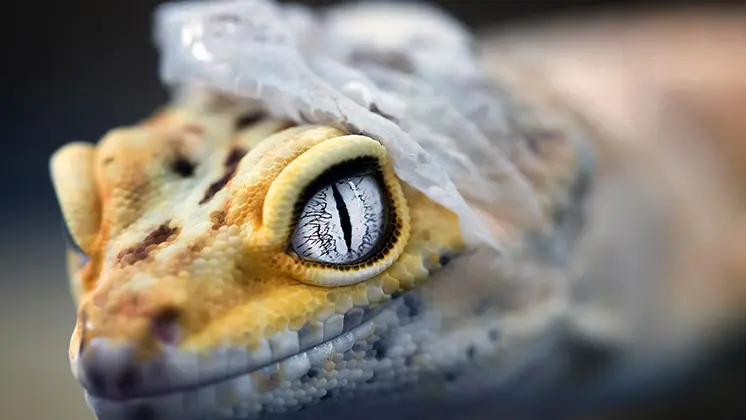
Shedding in Reptiles
Learn about shedding in reptiles, including what normal shedding looks like, common causes of shedding problems, and when to seek veterinary care.
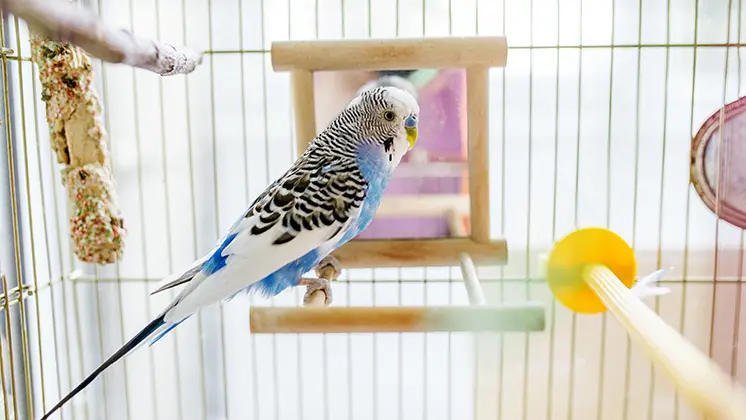
General Husbandry of Caged Birds
Proper husbandry for caged birds includes safe housing, balanced nutrition, enrichment, hygiene, and close monitoring for signs of illness.