Can my pet have a vaccine reaction?
by Rajeev Nair
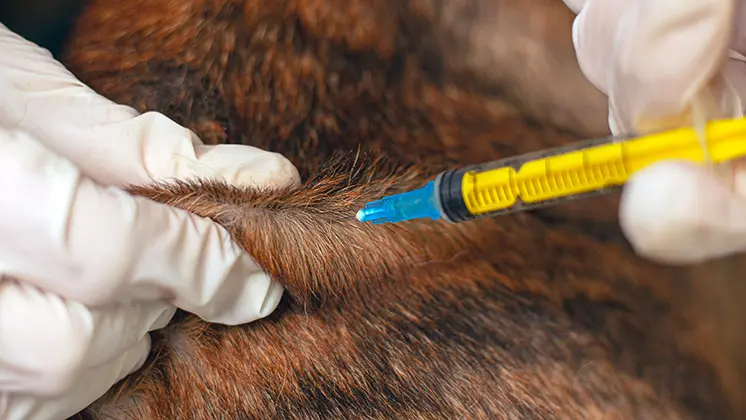
Pet owners are used to taking their pets to veterinarians for annual vaccination in a timely fashion. Many of them have questions about vaccine reactions. Vaccines are intended to stimulate the immune system so as to protect the animal from a specific infectious agent. Like in people, this stimulation can cause some minor symptoms like muscle or joint soreness, soreness or swelling at the injection site, hives, lethargy or a mild fever. These symptoms are generally not serious and may go unnoticed.
Allergic reactions occur when the body reacts to some specific proteins in the vaccines that are entering the body. This is just like some people having allergies, your pet may be allergic to a particular protein in the vaccine. Moderate reactions may include round swellings over the skin surface, called urticaria. Hives are a vascular reaction of the skin which is commonly seen as wheals, marked swelling and redness of the lips, swelling around the eyes and neck region. Usually these animals show itching and skin irritation. Usually this is the most common reaction seen in cats. These moderate reactions can be treated early with corticosteroids or anti-histamnes by your veterinarian.
In severe cases, a sudden allergic reaction called “anaphylaxis” can happen. There will be swelling of the larynx leading to airway obstruction, sudden onset of vomiting, diarrhea, unsteady movements and a drop in blood pressure. Emergency veterinary treatment is warranted in these situations because death can occur within a short time. If your pet has a history of vaccine reaction, you should notify the veterinarian prior to vaccination. Anti-histamine drugs like Benadryl can be injected prior to vaccination to minimize the symptoms of the reaction. Also multiple vaccinations can be separated by hours or days to decrease the likelihood of your pet having an allergic reaction.
Vaccination reactions are rare and the advantages of vaccinations outweigh the allergic reactions. It is a good idea to keep record of vaccinations and any allergic reactions so that you can inform your veterinarian about any history of allergic reactions prior to vaccination.
Schedule a Visit
Come experience the compassionate, high-quality veterinary care provided by the Small Animal Primary Care team at Purdue University’s Veterinary Hospital. See how our veterinarians, staff, and students work together to deliver progressive, evidence-based care while building lasting relationships with you and your pet.
Suggested Articles

Pet Wellness: An Overview of Keeping Your Pet Healthy
Learn what pet wellness includes, from exams and nutrition to vaccines, parasite prevention, and dental care for lifelong health.
Ringworm
Ringworm is a contagious fungal infection that spreads between pets and people, causing circular skin lesions and requiring treatment and environmental cleaning.
Shedding in Reptiles
Learn about shedding in reptiles, including what normal shedding looks like, common causes of shedding problems, and when to seek veterinary care.