What to Know About Shedding in Reptiles
If you care for a reptile, it is important to understand what normal shedding looks like and what changes may signal a problem. We created this article to help reptile owners learn how shedding varies by species, what can contribute to incomplete or abnormal sheds, and when to contact a veterinarian to help protect their pet's comfort and health.
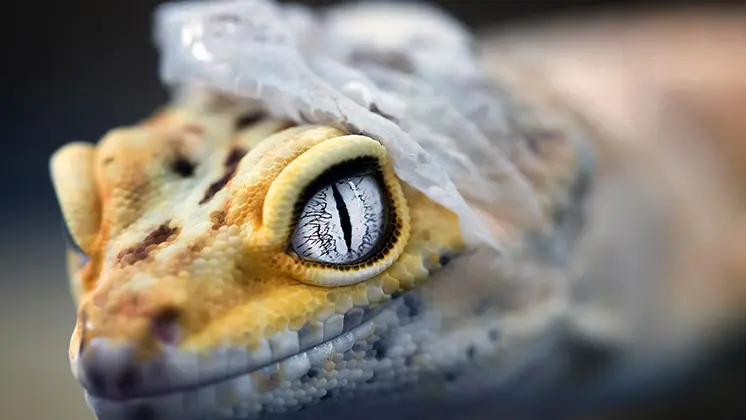
Understanding how reptiles shed, what can go wrong, and how proper care supports healthy skin.
by Padma Yadlapalli
All reptiles shed their skin as they grow, and they continue to shed periodically through out life. Improper or incomplete shedding may occur because of mites, incorrect humidity or handling, malnutrition, dermatitis or trauma. As the shed begins, the skin appears slightly dull as the separation between old and new skin begins. The eyes turn whitish blue because of lymph like fluid accumulating between old eye covering layer and newly formed layer. The shedding differs from species to species, the environmental conditions, their nutritional status and their growth rate.
Turtles shed in pieces. They will slough skin on their neck and legs as well as old scutes located on top of their top and bottom shell. Lizards too shed their skin in pieces and some lizards eat their sloughed skin. Iguanas shed their skin in pieces on the outside of their bodies except for their eyeballs. In rapidly growing reptiles shedding occurs every 2 weeks. Snakes shed their skin in one piece except for the giant snakes which may tear their skin. During shedding the snakes are very irritable and temperamental and may strike if handled. Handling during this time damages their new skin. A healthy growing snake sheds at least once a month.
Normal shedding is an important process for growth in all the reptiles, which depends on a number of factors like nutritional status of the reptile, the environmental conditions, and the health status of your pet. Malnutrition, bacterial infection, mites and too much handling can all result in improper shedding. So, proper management is an important aspect and any time you suspect a problem contact your veterinarian.
Schedule a Visit
Come experience the compassionate, high-quality veterinary care provided by the Small Animal Primary Care team at Purdue University’s Veterinary Hospital. See how our veterinarians, staff, and students work together to deliver progressive, evidence-based care while building lasting relationships with you and your pet.
Suggested Articles
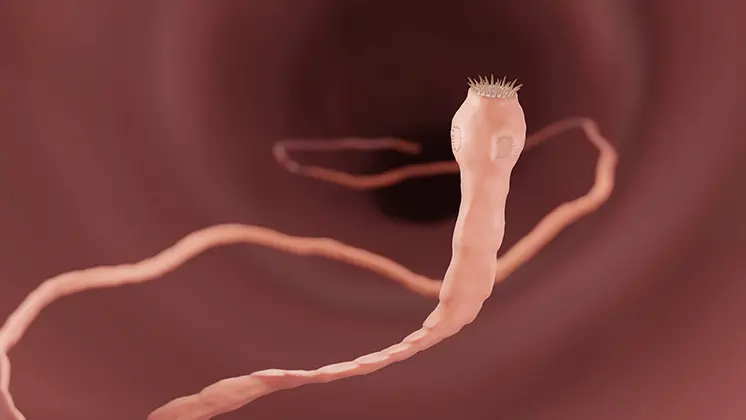
Tapeworms
Tapeworms are intestinal parasites spread by fleas in dogs and cats, causing rice-like segments near the anus and requiring medication and flea control.

Valley Fever (coccidioidomycosis) in Dogs
Valley Fever is a fungal infection from contaminated soil in arid regions that dogs inhale, causing respiratory illness and sometimes spreading to bones or other organs.

Maternally Acquired Intestinal Parasites in Puppies
Many puppies are born with intestinal parasites from their mother, making early testing, treatment, and good hygiene essential to protect pets and people.