Ringworm
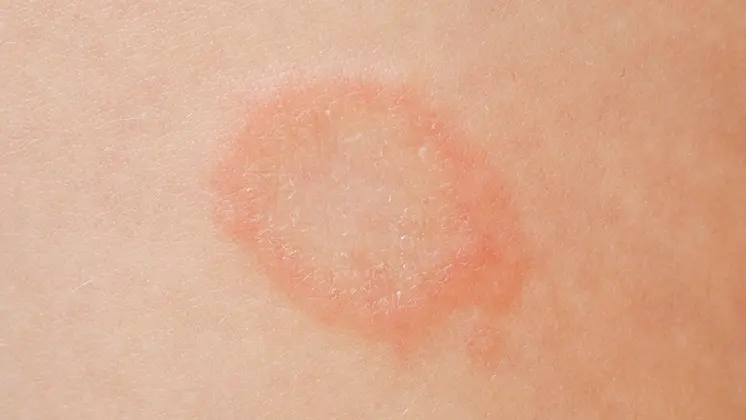
Ringworm is a zoonotic infection (meaning it can be passed from pets to people). It is not actually a worm but rather a fungus that gets its name from the ring like lesions it causes on the body. It affects skin and nails of infected people and animals. Ringworm infection can happen when there is close contact with an infected person or pet or items that they have been in contact with. It also can be acquired from infected soil.
The condition is treatable but it is necessary to treat any involved pets and people and to thoroughly clean the environment. There are several different fungal organisms that can cause ringworm. As a whole they are referred to as dermatophytes. The most common organism affecting animals is Microsporum canis. It can be seen in any dog or cat but very young or very old cats are at a higher risk of infection. Infected animals will show varying clinical signs ranging from none to scales and crusts on the skin with hair loss or broken brittle hair in the infected area. In more severe cases swollen follicles can appear and rupture, especially on and around the head. They may be very itchy and have reddened skin. Infection can be preliminarily diagnosed at your veterinarian with the use of a woods lamp and confirmed with a dermatophyte culture. Treatment involves both topical and systemic therapy with antifungal medication. Infected people are advised to see their own doctor for treatment as well.
Schedule a Visit
Come experience the compassionate, high-quality veterinary care provided by the Small Animal Primary Care team at Purdue University’s Veterinary Hospital. See how our veterinarians, staff, and students work together to deliver progressive, evidence-based care while building lasting relationships with you and your pet.
Suggested Articles
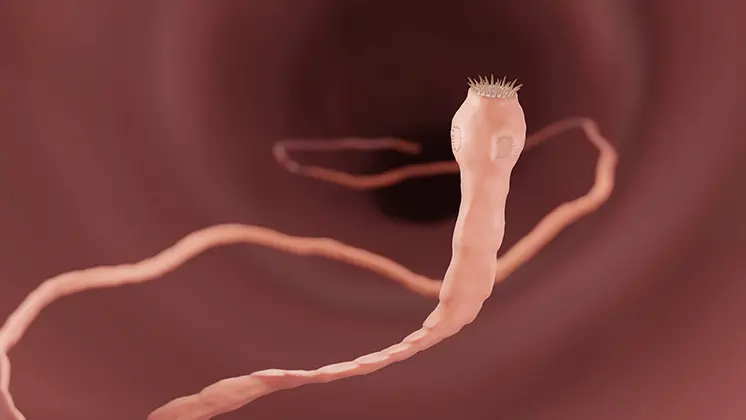
Tapeworms
Tapeworms are intestinal parasites spread by fleas in dogs and cats, causing rice-like segments near the anus and requiring medication and flea control.

6 Easy Steps for Introducing a New Puppy to Your Old Friend
Learn six simple steps to safely introduce a new puppy to your resident dog and help them build a positive, stress-free relationship.
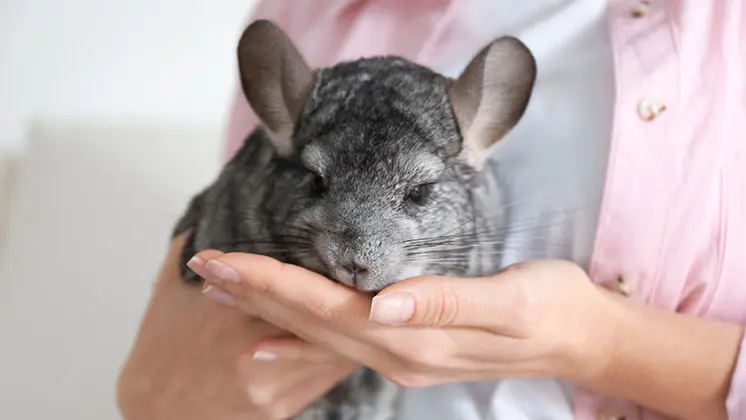
Feeding the Pet Chinchilla
A healthy chinchilla diet should focus on high-fiber hay, limited pellets, and small treats, with gradual diet changes to prevent digestive problems.