What to Know About Inclusion Body Disease in Boas and Pythons
If you care for a boa or python, it is important to understand inclusion body disease and the serious risks it can pose to your snake and others in your collection. We created this article to help snake owners learn more about how inclusion body disease spreads, what signs to watch for, and what steps can help reduce the risk of exposure and protect reptile health.
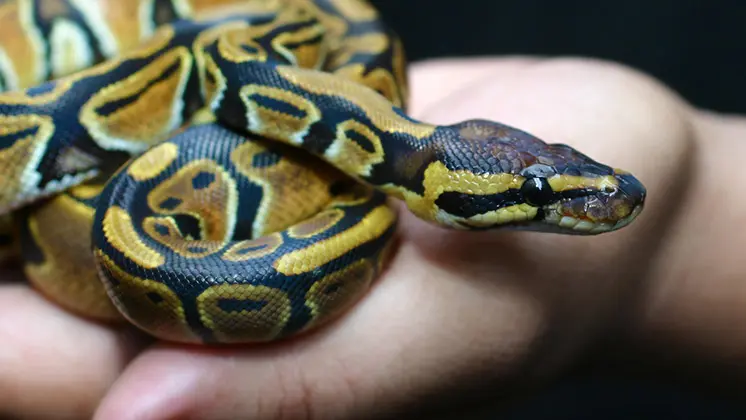
What is it, and how is it spread?
Inclusion Body Disease, or IBD, is a problem in all species of boas and pythons or “Boids”. The disease is caused by a virus, and is highly contagious among boids of all species. IBD can spread quickly in secretions from a sick animal, either by direct contact with an infected animal, by particles in the air reaching healthy snakes kept in close proximity to sick ones, or by poor sanitation practices leading to spread by the snakes’ keeper(s). In some cases, the snake mite Ophionyssus natricis has been found in populations where individuals were affected with IBD, but the mite has not been found in all cases. Since boids can be asymptomatic carriers of the disease, any snake that has come from a large collection or pet store could have been exposed to the disease.
What does IBD look like?
Signs of the disease mostly involve the nervous system. Signs include difficulty moving and righting itself when the snake turns over, loss of coordination, disorientation, inability to strike at or constrict prey, and “star-gazing”, a disorder where the snake holds its body still and raises its head, looking straight up for a period of time before resuming movement. In young animals, especially young boas, neurologic signs can progress to paralysis. Snakes will have difficulty shedding, the result of incoordination and difficulty moving that hinders the ability to rub off shedding skin.
Inclusion Body Disease also affects other parts of the body besides the nervous system. Infected boids will develop respiratory infections, weight loss, regurgitation, and infectious stomatitis or “mouth rot”, especially in pythons. While boas tend to be asymptomatic carriers and can remain carriers for their entire lives, pythons tend to become sick more readily and illness progresses much more quickly than in boas.
There is currently no treatment for Inclusion Body Disease, and it is always fatal. Euthanasia is the only humane treatment option with IBD, since the disease is progressive and results in an ever-decreasing quality of life.
How is IBD prevented?
Since IBD is highly contagious and spread by contact, the only way to control the spread of the disease is careful handling. Take care not to handle pythons and boas, even apparently healthy animals, without washing your hands between animals. Be especially careful with large collections, such as breeding facilities and pet stores. If acquiring a new python or boa of any age, especially young or juvenile animals, make sure to quarantine the new snake for 3-6 months. Finally, be sure to house all animals in species-appropriate housing and environments and monitor weight, feeding, and shedding times to ensure your pet stay healthy and happy.
Schedule a Visit
Come experience the compassionate, high-quality veterinary care provided by the Small Animal Primary Care team at Purdue University’s Veterinary Hospital. See how our veterinarians, staff, and students work together to deliver progressive, evidence-based care while building lasting relationships with you and your pet.
Suggested Articles
Care for Sugar Gliders
Learn about sugar glider care, including diet, housing, behavior, preventive care, common health concerns, and what owners should know.

Ferret Health
Learn about ferret health, including preventive care, common diseases, anatomy, nutrition, reproduction, and health concerns ferret owners should know.
General Husbandry of Caged Birds
Proper husbandry for caged birds includes safe housing, balanced nutrition, enrichment, hygiene, and close monitoring for signs of illness.