Endocrinology Clinic
Small Animal Hospital
Protect your pet’s hormone health with specialty endocrinology care that focuses on clear diagnosis and practical, long-term management.
Request an appointment Get DirectionsHormones help regulate metabolism, appetite, stress response, growth, and blood sugar. When a gland produces too much hormone or too little, pets can develop symptoms that affect daily comfort and overall health. The Purdue University Veterinary Hospital Small Animal Endocrinology Clinic provides advanced diagnostic evaluation and individualized treatment planning for cats and dogs with suspected or confirmed endocrine disease.
The clinic is led by Dr. Catharine Scott Moncrieff, with support from small animal internal medicine faculty and residents. We partner with your primary care veterinarian to confirm diagnoses, refine treatment plans, and support at home monitoring so families can follow a clear plan between visits.
Expanded appointment availability is offered through dedicated endocrinology clinic days. Our receiving service for hyperthyroid cats being considered for radioactive iodine treatment continues every other Monday, and we see general endocrinology cases every other Tuesday. The clinic also provides assistance with diabetic regulation for dogs being considered for cataract surgery, evaluation of diabetic regulation using continuous glucose monitoring, and parathyroid ablation for eligible cases of primary hyperparathyroidism. Endocrinology clinical trials may be coordinated through this service when available.
Our experience was great. We didn’t really know what to expect, but we left with a clear understanding of what we need to do. Our dog is already showing improvement, and the techniques we were told to use are working.
Edward C.
Services at a Glance
- Patients: Cats and dogs
- Led by: Dr. Catharine Scott Moncrieff
- Clinic focus: Thyroid, adrenal, diabetes, calcium and parathyroid disorders, hypoglycemia, complex endocrine cases
- Dedicated scheduling: Hyperthyroid cat evaluation for radioactive iodine every other Monday, general endocrinology every other Tuesday
- Specialized offerings: Continuous glucose monitoring review, diabetic regulation support for cataract surgery candidates, parathyroid ablation for eligible cases
When to Seek Endocrinology Care
If your pet has any of the signs below, your primary care veterinarian may recommend an endocrinology consultation:
- Increased thirst or increased urination
- Weight loss or weight gain without a clear cause
- Increased appetite, restlessness, or vocalizing in cats
- Low energy, weakness, or exercise intolerance
- Hair coat changes, hair loss, or recurrent skin issues
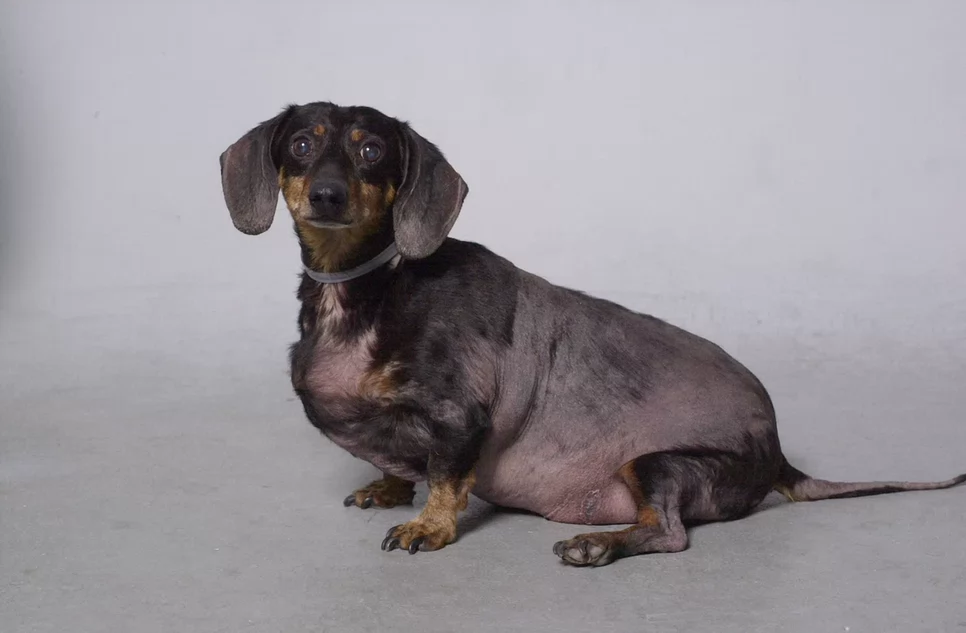
- Panting, potbellied appearance, or muscle weakness
- Episodes of trembling, disorientation, collapse, or suspected low blood sugar
- Vomiting, diarrhea, or reduced appetite in a pet with an endocrine diagnosis
- Difficult to regulate diabetes, or concerns about hypoglycemia
Request an Appointment
Whether you're coming to us directly or through a referral from your veterinarian, we're here to support the next step in your pet's care. Our team is ready to help you schedule the right services and answer any questions you may have.
To request an appointment, please call or text us at 765-494-1107.
If your pet is experiencing an emergency, call our 24/7 Emergency Line at 765-494-1107.
Common Conditions
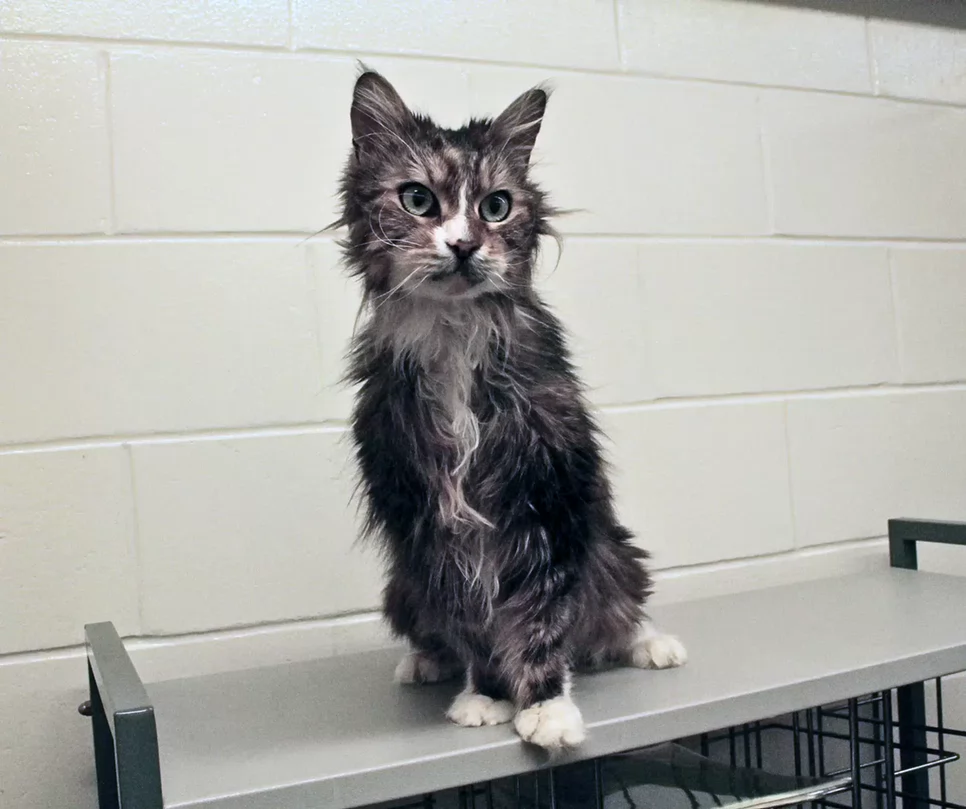
We diagnose and manage many endocrine disorders in dogs and cats, including:
- Diabetes mellitus, including difficult regulation and long term monitoring support
- Thyroid disease
- Feline hyperthyroidism, including evaluation for radioactive iodine therapy
- Canine hypothyroidism and cases needing more targeted thyroid testing
- Adrenal gland disease
- Hyperadrenocorticism (Cushing’s disease)
- Hypoadrenocorticism (Addison’s disease)
- Calcium and parathyroid disorders
- Primary hyperparathyroidism, hypoparathyroidism, and other calcium regulation disorders
- Hypoglycemia, including recurrent or unexplained low blood sugar episodes
- Endocrine disorders with related complications, such as high blood pressure, urinary tract infections, urinary protein loss, pancreatitis and heart concerns in hyperthyroid cats
If your pet is suffering from these or related conditions, we urge you to request an appointment with us immediately.
Common Procedures
Your pet’s plan may include a combination of diagnostic testing, treatment adjustments, and monitoring support. Common services include:
- Endocrine laboratory testing
- Targeted hormone testing for thyroid and adrenal disorders
- Blood and urine testing to assess overall health and guide treatment decisions
- Diabetes evaluation and long-term management planning
- Insulin and nutrition planning
- Home monitoring guidance and interpretation of trends
- Continuous glucose monitoring evaluation
- Reviewing glucose patterns over several days to refine insulin plans
- Hyperthyroidism evaluation and coordination of radioactive iodine treatment
- Pretreatment assessment and scheduling through the radioactive iodine program
- Post treatment monitoring recommendations
- Radioactive Iodine Treatment
- Advanced imaging when appropriate
- Abdominal ultrasound, nuclear imaging, CT, or MRI to evaluate endocrine related changes
Special Equipment/Technology
To support accurate diagnosis and careful monitoring, the clinic may use:
- Continuous glucose monitoring systems to evaluate glucose trends over multiple days
- Specialized endocrine testing capabilities used for adrenal and thyroid evaluation
- Advanced imaging tools, including ultrasound, nuclear imaging, CT, and MRI when indicated
- Hospital facilities that support evaluation and treatment planning for Feline Radioactive Iodine Treatment
With the use of this equipment, we strive to provide the best care for your pet. For more information, feel free to request an appointment.
What to Expect
Before your visit
- Your primary care veterinarian may complete initial screening tests before referral, depending on the concern.
- If you have recent lab work or imaging, bring copies or ask that records be sent in advance.
Initial evaluation
- A Purdue University Veterinary Hospital clinician and veterinary student will review history, perform a physical exam, and evaluate prior test results.
- We will discuss likely causes, recommended tests, and next steps.
Testing and diagnosis
- Many endocrine conditions require targeted hormone testing plus routine lab work to assess overall health.
- Advanced imaging may be recommended in select cases.
Treatment plan and at home monitoring
- You will receive a clear plan that may include medication, diet guidance, and monitoring steps.
- For diabetes, we emphasize practical routines and teach families how to monitor safely.
Follow up and long-term management
- Many endocrine diseases are chronic and benefit from scheduled rechecks and dose adjustments over time.
- We coordinate with your primary care veterinarian for ongoing monitoring whenever possible.
Bring to your appointment
- Current medication list, including doses and timing
- Diet details, treats, and feeding schedule
- Recent lab results, imaging reports, and a problem timeline if available
- Home logs of water intake, urination, appetite, weight, and energy level
- For diabetic pets, any home glucose readings or monitoring reports if available
Common Questions
What is veterinary endocrinology?
Veterinary endocrinology focuses on diagnosing and managing hormone related disorders. These conditions can affect blood sugar, metabolism, appetite, thirst, urination, energy level, and weight.
What conditions does the endocrinology clinic treat?
We treat hormone related disorders involving glands such as the thyroid gland, adrenal glands, pancreas, and parathyroid glands. Common concerns include diabetes, thyroid disease, adrenal disease, calcium disorders, and hypoglycemia.
Do I need a referral?
Many specialty visits begin with a referral from your primary care veterinarian, but this is not required. Ideally, we work as a team with the patient’s family and referring veterinarian. If you are not sure what you need, contact the hospital to discuss the best, next step.
What signs might suggest an endocrine problem?
Signs can include increased thirst or urination, unexplained weight change, appetite changes, behavior changes, panting, hair coat changes, weakness, vomiting, diarrhea, or episodes that suggest low blood sugar. Because these signs can have multiple causes, diagnostic testing is important.
How long will my appointment take and will my pet have to stay in the hospital?
You should plan on your first appointment taking most of the day. The majority of endocrinology evaluations can be completed on an outpatient basis, however for certain diagnostic tests an overnight stay is required so that we can adequately prepare the patient for diagnostic testing.
How does radioactive iodine treatment work for hyperthyroid cats?
Radioactive iodine concentrates in abnormal thyroid tissue and helps reduce excess thyroid hormone production. Cats typically stay in the hospital for several days after treatment while radioactivity levels decrease, then return home with specific aftercare guidance.
Learn more about Radioactive Iodine Treatment.
How often will my pet need rechecks?
Recheck timing depends on the diagnosis and treatment plan. Chronic disorders such as diabetes, thyroid disease, and adrenal disease often require scheduled monitoring and occasional dose changes to keep pets stable.
For more information on our Endocrinology services, please request an appointment with us.
At-Home Tips
- Keep routines consistent - Feed meals and give medications at the same times each day, especially for diabetic pets.
- Track changes- Keep a simple log of appetite, water intake, urination, weight, energy level, and medications. Bring it to appointments.
- Do not change medications or diet without guidance - Many endocrine conditions are dose sensitive, and sudden changes can affect stability and test interpretation.
- Know urgent warning signs - Contact your veterinarian right away if you notice severe lethargy, repeated vomiting, collapse, refusal to eat, rapid breathing, or profound weakness.
- Follow monitoring recommendations - Routine lab work and blood pressure checks can be essential for safe, long-term management, especially for thyroid and adrenal disorders.
- If your cat is scheduled for radioactive iodine therapy, follow preparation and aftercare instructions closely. Learn more about Radioactive Iodine Treatment
Proper care at home can help manage your pet's condition and improve their quality of life. For care tailored to your pet's needs, request an appointment with us.