Maternally Acquired Intestinal Parasites in Puppies

by Joe R Woodruff
Intestinal parasites are a common problem in young puppies. Intestinal parasites cause many common clinical signs such as vomiting, diarrhea, liver damage, pneumonia, kidney scarring, blood loss anemia, and intestinal obstruction. Significant worm burden can sometimes cause death, especially in younger puppies. Many parasites can pose significant health risk to humans as well. Testing for intestinal parasites is thus highly recommended in any puppy, along with preventative treatment. Two commonly seen parasites affecting puppies include ascarids (roundworms), and ancylostoma (hookworms), both of which are commonly acquired from the mother.
Toxocara canis, the most prevalent roundworm, is acquired from the mother in-utero. The larvae undergo migration throughout the puppy’s abdomen including the liver and end up in the lungs. Here, the larvae undergo development then migrate into the trachea where they are coughed up and swallowed. Adults develop in the intestines where they lay eggs. This development usually occurs in 2 months. Puppies can also be infected by ingesting eggs from the feces of infected dogs. Some larvae during the abdominal migration stage can encyst in tissues, only to be reactivated during pregnancy. These encysted larvae then cross the placenta to infect unborn puppies. Infection can also occur through the mother’s milk. Humans that ingest roundworm eggs do not complete the life cycle, thus a human will never pass eggs in the feces from adults that were acquired from a canine source. Ingested eggs, however, will produce larvae that will migrate through the abdomen and sometimes the eye. This can even lead to blindness. Eggs can remain viable in the environment for years despite freezing conditions. Since most puppies are infected with roundworms upon birth, treatment is performed despite no parasites being seen on fecal flotations. Pyrantel pamoate given twice two weeks apart will clear nearly all intestinal roundworm infections. Note that encysted larvae are not affected by this treatment. Monthly heartworm preventative with Interceptor or Heartgard Plus are also effective at treating roundworms and preventing re-infection. Encysted larvae do not cause clinical signs and are extremely difficult to treat. Humans can prevent infection by maintaining proper hygiene. This includes disposing of puppy stool promptly and always washing hands when handling stool. Since humans must ingest egg infested stool to be infected, prevention of this is key to prevent infection.
Another commonly seen parasite in puppies is Ancylostoma caninum. This too is acquired from the mother primarily through the milk. With oral ingestion, development occurs directly in the intestines. Hookworms can also be acquired directly from larvae penetrating the skin, in which the life cycle is similar to roundworms. Typically, puppies under 3 months of age will develop intestinal infections. In dogs greater than 3 months of age, many larvae will undergo migration throughout the body and arrest development in musculature. These larvae are re-activated during pregnancy and enter the mammary glands, allowing infection through the milk. Developed larvae and adults in the intestine cause significant blood loss in puppies leading to rapid deterioration and possibly death. Older puppies tend to just show signs of weakness, dark bloody diarrhea, and emaciation. Development usually occurs in 2-3 weeks. Because of the skin penetration aspect of this parasite, humans affected with this develop a “creeping eruption” or “plumber’s itch”.
This mainly causes a reaction in skin where the larvae migrate that tends to be intensely itchy. Without treatment, however, this usually goes away in weeks to months.
Hookworms can also affect the intestines in humans causing recurrent abdominal pain and thickening of the small intestine. Eggs and larvae of hookworms will be killed by freezing and drying out. Pyrantel pamoate is effective for treatment of hookworms given the same dosage and frequency as for treatment of roundworms. Monthly heartworm preventative medications such as Interceptor and Heartgard Plus as well as injectable heartworm preventative Proheart 6 are also effective in treatment and prevention of hookworm infections. Humans can prevent infection by proper hygiene, as well as wearing shoes when outside. This is critical to prevent skin infection as well as ingestion of infective larvae.
Schedule a Visit
Come experience the compassionate, high-quality veterinary care provided by the Small Animal Primary Care team at Purdue University’s Veterinary Hospital. See how our veterinarians, staff, and students work together to deliver progressive, evidence-based care while building lasting relationships with you and your pet.
Suggested Articles

Valley Fever (coccidioidomycosis) in Dogs
Valley Fever is a fungal infection from contaminated soil in arid regions that dogs inhale, causing respiratory illness and sometimes spreading to bones or other organs.
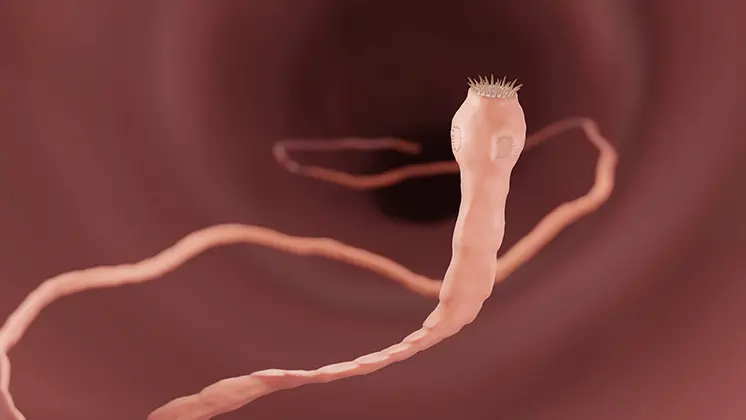
Tapeworms
Tapeworms are intestinal parasites spread by fleas in dogs and cats, causing rice-like segments near the anus and requiring medication and flea control.
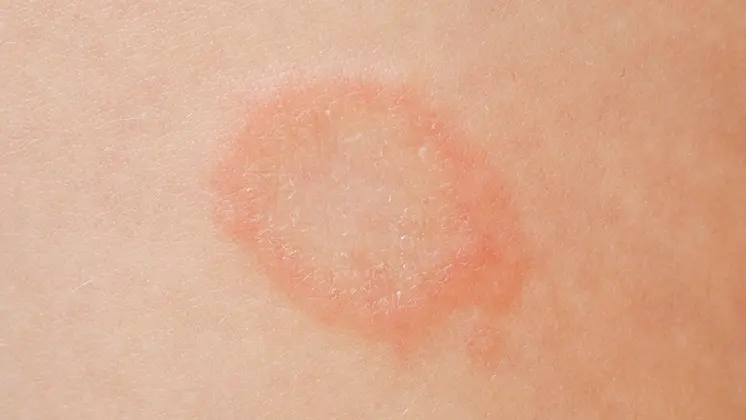
Ringworm
Ringworm is a contagious fungal infection that spreads between pets and people, causing circular skin lesions and requiring treatment and environmental cleaning.