Animal Rescue Groups: Helping Address Pet Overpopulation
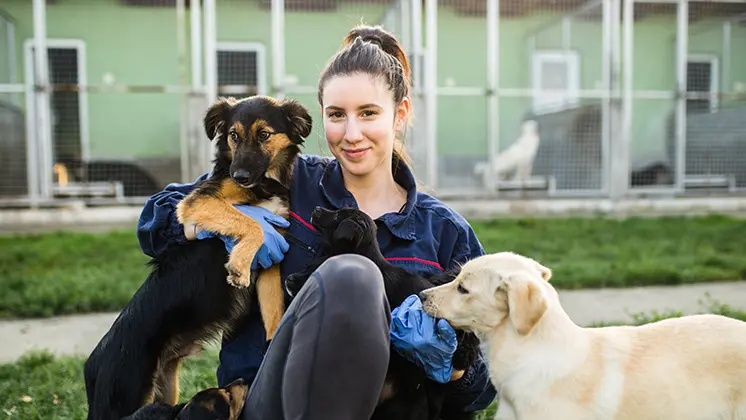
Animal rescue organizations play an important role in caring for homeless animals and helping them find permanent homes. To understand why rescue groups are so important, it is helpful to first understand why shelters and rescue programs exist at all. At the heart of the issue is a challenge that affects communities across the United States: pet overpopulation.
Understanding Pet Overpopulation
Pet overpopulation refers to the large number of dogs and cats being born each year compared to the number of homes available to care for them. According to statistics, approximately 2,000 to 3,500 dogs and cats are born every hour in the United States, while only about 415 humans are born each hour. Over time, these numbers add up to tens of millions of animals born each year.
Because dogs and cats reproduce much faster than humans, there will never be enough homes available for every animal that is born.
Unfortunately, the consequences are severe. Many animals born into these circumstances do not survive. Some die in the wild, on streets or in alleys, often due to disease, malnutrition, illness, traffic accidents, attacks from other animals, or cruelty from humans. Many others end up in animal shelters or animal control facilities. Despite the best efforts of shelter staff and volunteers to find homes, the reality is that many animals must be euthanized simply because there are not enough homes available.
Each year in the United States, an estimated 10–12 million dogs and cats die in the wild or are euthanized, through no fault of their own. In many cases, the only reason is that they were born into an already overcrowded population.
Why Do So Many Pets End Up in Shelters or Rescue?
One of the biggest reasons is simply a matter of numbers. Far more pets are born each year than there are families prepared to adopt them.
Another major factor is the gap between people's expectations and the realities of pet ownership. Many individuals adopt pets without fully understanding the long-term commitment involved.
Why Are So Many Pets Produced?
There are several reasons why so many litters of puppies and kittens are produced in the United States.
One common belief is that a pet having “just one litter” will not significantly impact the overall pet population. However, pet overpopulation is the result of many individuals making that same decision. Even a single litter contributes to the growing number of animals needing homes.
Another factor involves breeding practices. Most purebred animals are not breeding quality. Responsible breeders spend years studying their breed’s health, temperament, and genetics. They often have breeding stock evaluated by professional judges and maintain carefully documented lineages.
In contrast, many animals are bred by individuals without this background. A pet being “registered” does not necessarily mean it is healthy or of high breeding quality. Registration simply means the animal’s parents were registered—it does not guarantee temperament, health, or adherence to breed standards.
Even when owners find homes for the puppies or kittens in a litter, it still removes potential homes for animals already waiting in shelters. In addition, it is difficult to guarantee that each animal will end up in a responsible, long-term home. In many cases, pets that were sold or given away are eventually lost track of.
Across the country, millions of animals experience neglect, abuse, abandonment, or uncontrolled breeding. Many wander loose, are struck by vehicles, or die from disease or starvation. Others are surrendered to shelters when owners can no longer care for them. Sadly, many of these animals are the “leftovers” from unwanted litters that never found permanent homes.
The Expectation Gap in Pet Ownership
The second major reason pets end up in shelters is the difference between what people expect and the reality of caring for an animal.
Many people adopt a cute puppy or kitten without realizing they are essentially adopting a baby—one that requires constant attention, training, and socialization for months.
Some individuals are inspired by animals they see on television or in movies and want a pet “just like it.” However, these portrayals rarely reflect the training and effort required to achieve that behavior. In some cases, the portrayal may not even match the natural temperament of that breed.
Another overlooked factor is cost. Veterinary care, food, grooming, training, and supplies all add up, and many new owners underestimate the financial commitment required.
Common Reasons Pets Are Surrendered
The most common reasons people turn dogs or cats over to shelters include:
For dogs:
- Moving
- Landlord restrictions
- Cost of pet care
- Not enough time for the pet
- Inadequate facilities
- Too many pets in the home
- Pet illness
- Personal problems
- Biting behavior
- No homes available for littermates
For cats:
- Too many cats in the home
- Allergies
- Moving
- Cost of pet care
- Landlord restrictions
- No homes available for littermates
- House soiling
- Personal problems
- Inadequate facilities
- Conflict with other pets
Nationwide, an estimated 4–6 million animals are euthanized in U.S. shelters each year because homes are not available. Depending on the region, 30–60% of animals brought into shelters may be euthanized.
Shelters vs. Rescue Organizations
Now that we understand why shelters and rescues are necessary, it is helpful to look at how they differ.
Animal Shelters
Shelters serve a critical role in animal welfare. They provide a place where homeless animals can receive care while waiting for adoption.
There are generally two types of shelters:
No-Kill Shelters
These shelters limit the number of animals they accept so that none must be euthanized due to space. However, once they reach capacity, they cannot take in additional animals. Another challenge is that animals who remain in shelters for long periods may become institutionalized, meaning they grow accustomed to living in a cage environment and may become fearful of life outside the shelter.
Many no-kill shelters focus on a specific species or type of animal.
Open-Admission (Often Called “Kill”) Shelters
Although the name has negative connotations, these shelters perform an essential function. They accept any animal brought to them. When animals are severely ill, dangerous, or not adoptable due to temperament or health issues, they may be humanely euthanized.
Where Rescue Groups Fit In
Animal rescues are typically volunteer-based organizations that foster adoptable animals in private homes until a permanent family can be found. Most rescues operate as non-profit organizations and rely on donations to cover medical care, food, and other expenses.
One major difference between shelters and rescues is the environment in which animals live. Shelters often must house animals in kennel runs with limited interaction because of space and resource constraints. Medical care may also be limited when shelters are responsible for large numbers of animals.
Rescue organizations, on the other hand, usually place animals in foster homes. This provides several benefits:
- The animal’s temperament can be evaluated in real-life situations.
- House-training can begin.
- The animal becomes socialized to people, other pets, and everyday environments.
Rescue groups also tend to discourage impulse adoptions. Many require detailed applications, interviews, and home visits before approving an adoption. In most cases, adoptions are not allowed the same day an application is submitted. Instead, rescues work carefully with potential adopters to find the best match.
Challenges for Rescue Organizations
While rescues provide many benefits, they also face limitations. Because they rely heavily on volunteers, the number of animals they can accept is often limited. Many rescues focus on a single species or even a specific breed. Volunteer burnout is also a common challenge in rescue work.
Additionally, not all rescues operate the same way. Just as it is important to evaluate a breeder before adopting from them, it is also important to learn about a rescue organization before adopting.
Questions to Ask a Rescue Organization
When considering adoption through a rescue group, it is helpful to ask questions such as:
- Is the rescue a registered non-profit organization?
- Is it affiliated with a breed club or other reputable organization?
- What is the group’s mission or purpose?
- How are animals screened when they arrive?
- What medical care has the animal received?
- Are volunteers available for advice after adoption?
- How many animals are currently in foster care?
- If an adopter must surrender the animal later, does the rescue require the pet to be returned to them?
Most importantly, adopters should feel comfortable with the organization and confident in its practices.
Finding a Rescue Organization
Rescue groups can be found through many sources, including:
- Online searches
- Local veterinarians
- Breed clubs
- Local humane societies or animal shelters
- Pet-related magazines and publications
How You Can Help Address Pet Overpopulation
There are many ways individuals can help reduce pet overpopulation and support animal welfare efforts.
One of the most effective solutions is spaying and neutering pets that are not part of responsible breeding programs. This prevents unwanted litters and reduces the number of animals entering shelters.
People can also support rescues and shelters by volunteering their time. Even if fostering an animal is not possible, volunteers can assist by bathing, socializing, and exercising animals waiting for homes.
Donations also make a difference. Shelters and rescues often need supplies such as crates, collars, leashes, and pet food. Financial donations help cover medical treatments, vaccinations, and spay/neuter procedures.
Some people even organize events—such as birthday parties where guests bring donations instead of gifts—to support local animal welfare organizations.
Education Is the Key
Ultimately, the best way to address pet overpopulation is through education. Sharing information about responsible pet ownership, the importance of spaying and neutering, and the availability of adoptable animals can help reduce the number of unwanted pets.
By spreading the word about rescue organizations and animal shelters—and by choosing adoption whenever possible—we can all become part of the solution and help ensure more animals find the loving homes they deserve.
Schedule a Visit
Come experience the compassionate, high-quality veterinary care provided by the Small Animal Primary Care team at Purdue University’s Veterinary Hospital. See how our veterinarians, staff, and students work together to deliver progressive, evidence-based care while building lasting relationships with you and your pet.
Suggested Articles
Maternally Acquired Intestinal Parasites in Puppies
Many puppies are born with intestinal parasites from their mother, making early testing, treatment, and good hygiene essential to protect pets and people.
Inclusion Body Disease in Boas and Pythons
Learn about inclusion body disease (IBD) in boas and pythons, including how it spreads, common signs, and steps snake owners can take to help prevent infection.

Ferret Health
Learn about ferret health, including preventive care, common diseases, anatomy, nutrition, reproduction, and health concerns ferret owners should know.