Exotic Zoonotic: At Home and in our Schools
by Steve B. Thompson, DVM, DABVP-Canine and Feline Practice
In 1998, Purdue's Center for the Human-Animal Bond conducted a survey of elementary school teachers in Indiana. This was a joint survey from the Schools of Education and Veterinary Medicine. 428 responses (21%) were returned. A brief summary of some of the data gives us a window into how animals and children interact in Indiana schools. 114 teachers (26%) had resident animals in their classroom while 212 (56%) permit student pets to be brought to school. Sample animals that were present included a wide variety of common domestic mammal pets as well as newer non-domestic mammals.
Native and non-native birds, reptiles, and amphibians were also represented. Fish and insects were present as were a wide variety of other invertebrates. Anecdotes and stories provided ranged from concern when a pet died to issues related to escape and minor injuries to children while handling. Unfortunately, it will take a future survey to determine whether any health guidelines were implemented by school administrators/health professionals. I suspect that routine veterinary care is rarely provided including when animals begin to deteriorate or became ill.
A 2005 survey of over 3000 clinical veterinarians jointly conducted by the Centers for Disease Control and AVMA revealed 54% did not always wash their hands between patients. 47% do not always wash their hands prior to eating, drinking or smoking with 86% of small animal vets reporting eating in animal handling areas with the highest being 91% for mixed practitioners.(McQuiston JH, et al. CDC/AVMA)
Zoonotic diseases are a concern for us since they are contagious infectious diseases. We have concerns of transmission to other animals, pet owners, staff and ourselves. Some zoonotic diseases are nuisances while others are quite serious. Traditionally we have been educated to be especially concerned when working around people with a compromised immune system.
Our original concern of patients with AIDS was expanded to include transplant recipients and cancer survivors who are undergoing chemotherapy. As West Nile Virus arrived in the US, we were made aware (or reminded) of wider populations that are not immunocompetent. These include children less than 5 years of age, pregnant women, the elderly and patients on other immunosuppressive drugs.
This expands our “worry pool” to include asthmatics, those with immune mediated diseases, allergy flare ups and those with arthritis or disc disease who may receive more than a single dose or short term course of corticosteroids.
Diabetes is at epidemic levels in America and Cushings disease patients are not rare. Urbanization with modern cleanliness has also resulted in naive populations to some organisms that were routinely a part of early childhood exposure 30 or 40 years ago. This dramatically expands our understanding of immunocompromised individuals and with some zoonoses, we must consider these populations at risk for serious illness or even death.
Another veterinary survey, in 2000, asked zoo veterinarians what their top zoonotic concerns were with their collections and the interactions their facility had with the public. The top concern related to Chlamydia, now renamed Chlamydophila psittaci, with Salmonella following closely behind. Herpes B virus from the primate collections was third, with Rabies next and Tuberculosis, primarily also from primates, with lesser concerns related to the bovine, avian or fish strains, rounding out the top five. To complete a Zoonotic Top Ten list, the bottom five included Cryptosporidia, Baylisascaris, Giardiasis, Influenza and Leptospirosis. I suspect that a survey done now would have Avian Influenza much higher on the “worry list”.
Chlamydophila psittaci is the organism formerly known as Chlamydia psittaci that cause psittacosis. From 1998 through 2004, 146 human cases of psittacosis were reported to the CDC and most resulted from exposure to infected pet birds, usually cockatiels, parakeets, parrots, and macaws. In birds, C psittaci infection is referred to as avian chlamydiosis. Infected birds shed the bacteria through feces and nasal discharges, and humans become infected from exposure to these materials. The Compendium of Measures to Control Chlamydophila psittaci Infection Among Humans (Psittacosis) and Pet Birds (Avian Chlamydiosis) was revised for the third time in 2006. This provides standardized procedures for controlling avian chlamydiosis in birds to public health officials, physicians, veterinarians, the pet bird industry, and others concerned with controlling these diseases and protecting public health.
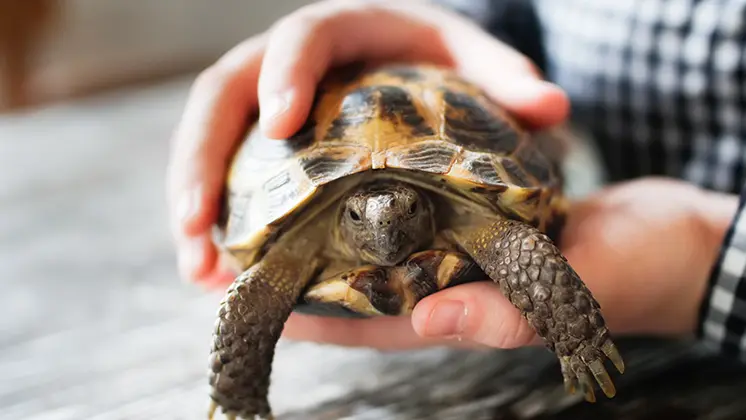
Salmonella is routinely cultured from birds and reptiles but small and large mammals are at risk including sugar gliders and hedgehogs. Children under 5 years of age, pregnant women, elderly and immunocompromised individuals are considered populations at risk for serious illness or even death. Transmission occurs when a carrier contacts Salmonella infected feces, unwashed hands, or contaminated food. Salmonella has been a concern in zoo flight cages and aviaries as well as associated with wild bird feeders. Pet turtles were first linked to an infant Salmonellosis infection in 1962. Reptile associated Salmonellosis still accounts for about 74,000 cases in people in the US annually. (Mermin J, et al, 2004). The ban on the sale of turtles under 4 inches is still in effect. Swap meets circumvent this ban by providing free turtles with the sale of associated housing, food and merchandise or they post signs indicating that small turtles are only being sold for educational purposes, shifting the burden of proof to the consumer. The FDA/Center for Veterinary Medicine is adamant in their resolve to not revoke or revise the ban on small turtle sales and veterinarians are encouraged to support this ban and not provide antibiotics that may be used in attempts to sterilize young or female turtles prior to selling small turtles. (Paige JC, FDA/CVM 2006) The Wisconsin Division of Public Health dealt with a Summer 2004 outbreak associated with small turtle sales using promotional flyers and eventually confiscating turtles when a retailer refused to comply. 2004 investigations in Wyoming supported infection of an elderly woman from a kitchen sink used to clean the reptile habitat, and infection in a small infant who fed the turtle even though the parent was responsible for handling and cleaning the cage. (Fox PE, 2006)
Michigan gained national media attention when it reported a 320% increase in rabies positive animals in 2007, with most of the jump caused by 199 bats (up from only 39 in 2006). Illinois was the other state singled out since its bat numbers also saw a 145% increase. Bat rabies prevalence is reported to be about 1% overall in the US with 4-6% of sick bats testing positive. Michigan has a land mammal rabies strain in skunks in the southeast portion of the state including the thumb region. During the most recent couple years, the skunk strain rabies has been the source for domestic animal infections and human exposure/post exposure prophylaxis from interaction with Rabies positive cats, dogs, horses, cows and even a sheep. Ohio’s skunk strain of rabies is the northeast and east central portion of the state. Raccoon strain rabies reached Ohio in 2001 at Mahoning County and positive raccoons have been found since, including a spill over to skunks in Lake county in 2007 (8 raccoons and 9 skunks). The last human rabies death in Michigan was over 25 years ago and was due to bat strain rabies although a Northern Indiana child died of bat rabies in 2006. In a shelter setting, terrestrial rabies (raccoon, skunk or fox/coyote) makes it more challenging to adopt out strays that enter the shelter with wounds. Rabies quarantine for unvaccinated animals with possible bite exposure is 6 months. This ultimately means that cats with abscesses or bite wounds are euthanized rather than put a foster home or future adoption and family at risk.
Ferrets, puppies and kittens must be at least 12 weeks of age before they can be vaccinated with traditional rabies products (8 weeks with recombinant Rabies for kittens now) and receive an official certificate signed by a licensed and accredited veterinarian. The eruption of the first permanent incisors (usually > 3 but < 4 months of age; range 2 - 5 months) is a good indicator of when an animal is old enough. Rabies vaccination in ferrets is usually given combined with or spaced a week or two apart from the last distemper vaccination. Imrab-3 is approved for ferrets and has a proven duration of immunity of 1 year in this species. It also carries a label recommendation of annual booster. This product should be administered subcutaneously. Off label use in other species may be warranted in high risk situations but will not permit signing of a rabies certificate or distribution of a rabies tag. At Purdue, we never give a Rabies vaccination to a non-domestic animal, including wolf hybrids, until liability waivers are signed. A rabid wolf-dog hybrid, with skunk strain rabies, was documented in California in 1993, despite prior vaccination with a standard USDA-approved canine rabies vaccination. The raccoon rabies epizootic on the east coast has resulted in numerous cases of positive rabies in rodents and lagomorphs when this previously had been a very rare population at risk. Raccoons have been documented to bite or scratch a rabbit, guinea pig or chinchilla through the cage bars, allowing exposure while permitting the patient to survive with treatment for its trauma and wounds. Rabies vaccination of small rodents and rabbits is still not routine and quarantine periods are not available for exposed animals, even if they are pet rabbits.
Canine Brucellosis returned to the headlines with an August 2008 advisory in Michigan. Five breeding kennels in a 4 county areas were found to have positive dogs. Brucella canis causes less serious disease in people than the livestock types of brucellosis. In dogs, brucella primarily causes reproductive abnormalities including infertility, still births and abortions and can be passed from intact dogs to other dogs through venereal contact, fetal contact, blood, or other bodily secretions. Most dogs will not show any signs until reproductive issues develop but rarely, clinical problems involve the kidneys, eyes and bones/joints. In humans, it is initially like a flu with fever, sweats, headache, and backache. The disease is called undulant fever with random episodes of fever, joint pain and fatigue in the chronic form. Direct culture of the organism from a dead puppy, infected dog’s blood or from secretion is confirmatory but the organism is difficult to isolate in this way. Immunologic tests are typically used.
The Rapid Slide Agglutination Test(RAST) is a fast screening test that can quickly document negative dogs. Negative test equals the dog can be considered negative. If the test comes out positive, further testing is necessary. False positives occur over 50% of the time, thus a “positive” test is most often test error. The IFA (Immunofluorescent Antibody) test is a similar screening test but it must be sent out to a reference laboratory. The same interpretations apply: negative means negative, positive means do further tests. There are two tests done when a screening test is positive. The most specific is the AGID (Agar Gel Immunodiffusion) test. A version of the test called the CPAGID (bacterial C protein) is the most accurate of all. Another test is the Tube Agglutination Test(TAT). It looks for antibodies against Brucella canis. At this time the CPAGID is favored over TAT. Treatment with antibiotics will not reliably clear the infection and euthanasia is typically advised. Depopulation is done in breeding kennels and shelters and rescues need to be aware of intact male and female dogs at risk of brucella, especially when removing animals from a crowded puppy mill situation. Shelter staff with skin scratches/wounds may need to wear gloves when handling fetal placentas or bloodwork (ie heartworm test) from intact adult dogs. Antibiotic treatment with tetracyclines can drop antibody levels low enough for the TAT to be negative but this does not necessarily indicate that the infection has cleared.
Waterfowl have been a concern for possible transmission of Campylobacter jejuni, Salmonella ssp. and Escherichia coli due to occurrence near community parks and zoos. A survey in Ohio (Kobalka PJ, et al, 2006) yielded no Salmonella or Campylobacter isolates from the soil at picnic areas but a 42% prevalence of E. coli with isolates resistant to several common antibiotics.
Cryptosporidium parvum is zoonotic from calves with diarrhea to naïve humans. Fecal-oral transmission can be diminished by excellent hygiene, thorough cleaning, control of potential vectors such as rodents, birds, insects or clinic pets. Immediate isolation protocols need to be in place for calves admitted with diarrhea. All organic material should be cleaned prior to using disinfectants, however Cryptosporidium parvum is highly resistant to many common disinfectants. (Wilson JH, 2006)
Giardiasis and its zoonotic potential are still currently debated.
Nomenclature continues to be modified with the current terminology breaking Giardia into Species specific assemblages. Assemblages A & B in humans are considered G. lambia. Assemblages C & D infect dogs and are named G. canis. Other assemblages include E in sheep, pigs (G bovis), F in cats (G. felis) and Assemblage G in rats. Giardia from other species has not been recovered from people in the US but in other parts of the world, dogs have been infected with Assemblage A.
Schedule a Visit
Come experience the compassionate, high-quality veterinary care provided by the Small Animal Primary Care team at Purdue University’s Veterinary Hospital. See how our veterinarians, staff, and students work together to deliver progressive, evidence-based care while building lasting relationships with you and your pet.
Suggested Articles
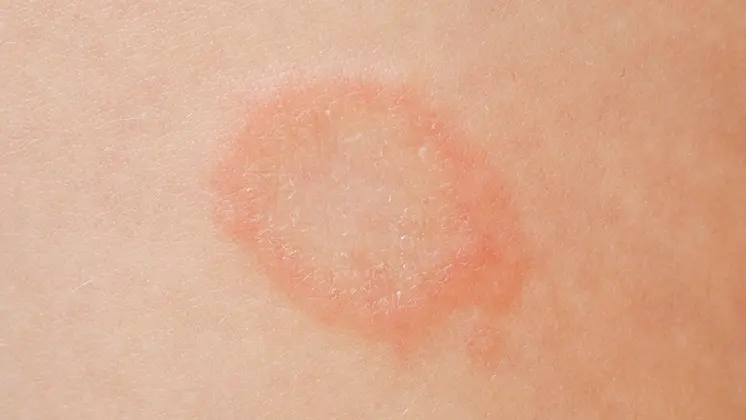
Ringworm
Ringworm is a contagious fungal infection that spreads between pets and people, causing circular skin lesions and requiring treatment and environmental cleaning.
Tapeworms
Tapeworms are intestinal parasites spread by fleas in dogs and cats, causing rice-like segments near the anus and requiring medication and flea control.
General Husbandry of Caged Birds
Proper husbandry for caged birds includes safe housing, balanced nutrition, enrichment, hygiene, and close monitoring for signs of illness.