Organoids
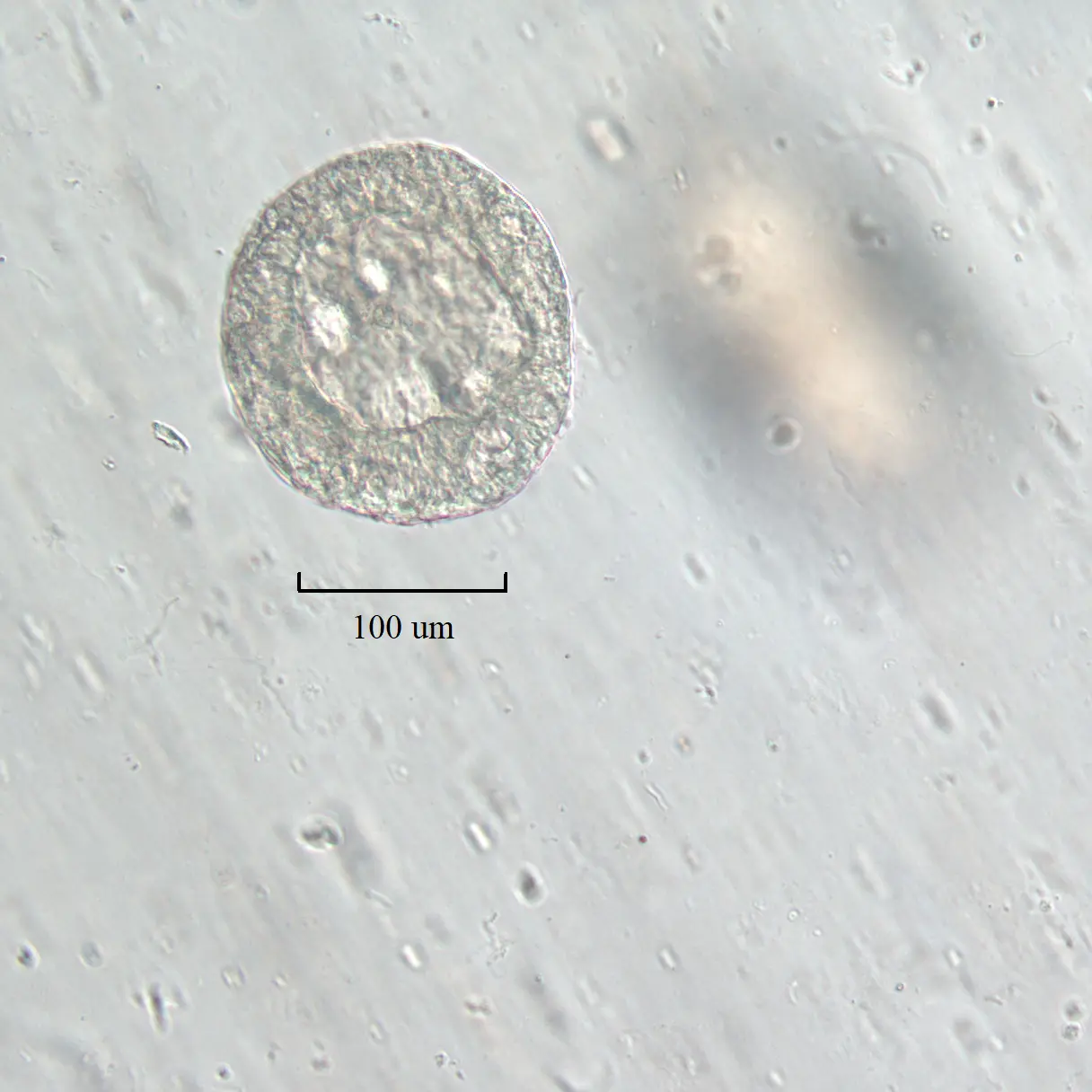
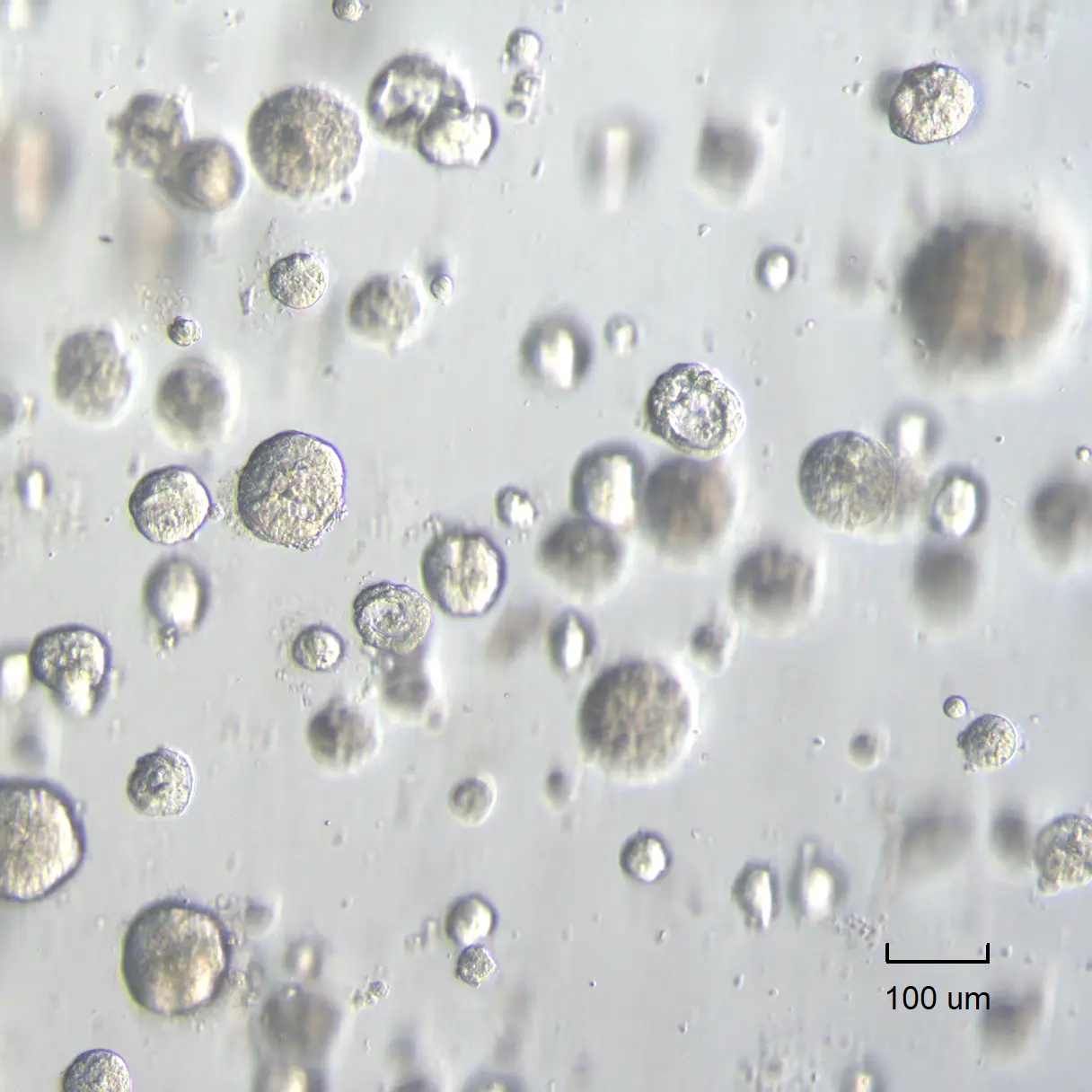
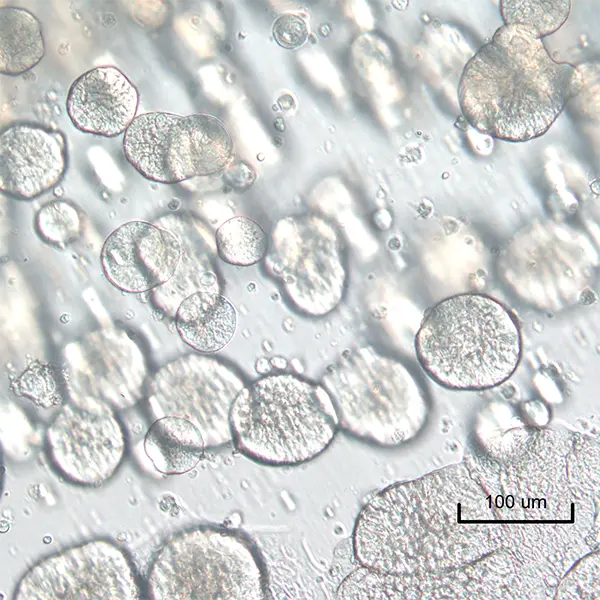
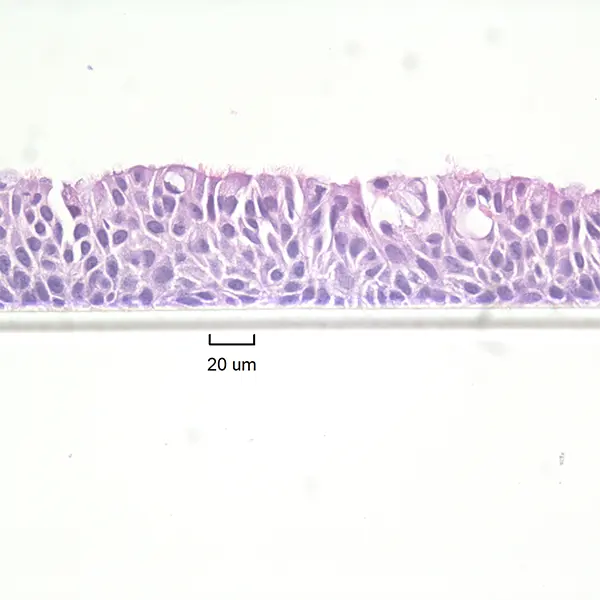
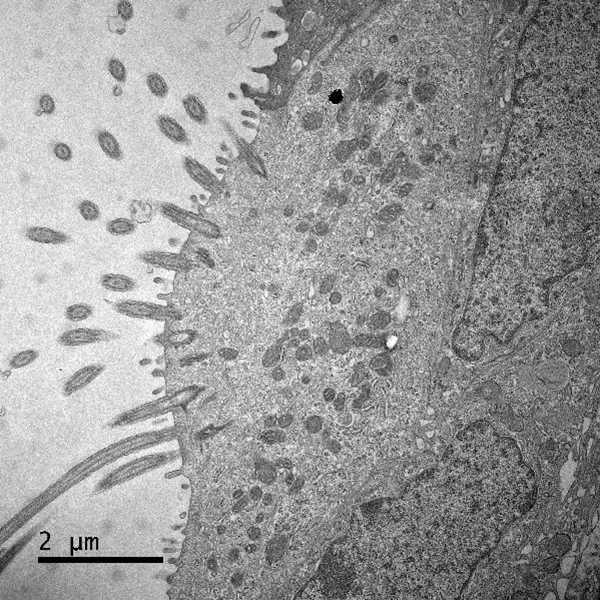
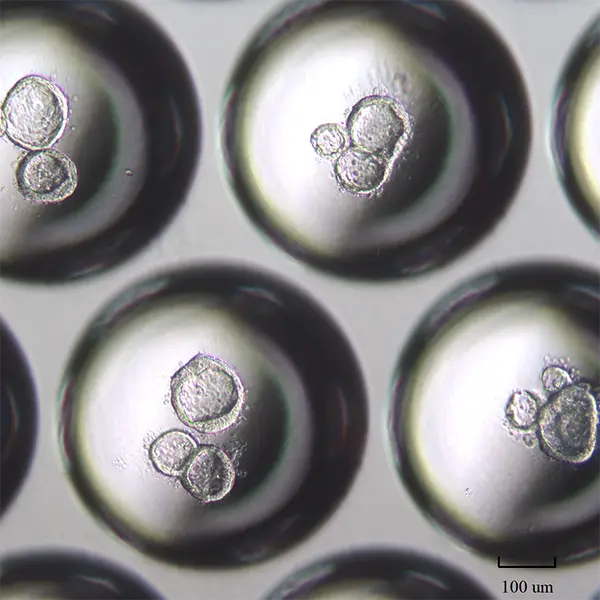
Organoids are transforming how researchers study health and disease. These three-dimensional, lab-grown tissue models are designed to reflect key features of real organs, giving scientists a powerful way to observe development, investigate disease processes, and test potential therapies in a controlled setting. By bridging the gap between traditional cell culture and living systems, organoids are helping advance biomedical discovery across human and veterinary medicine.
Intestinal Organoids
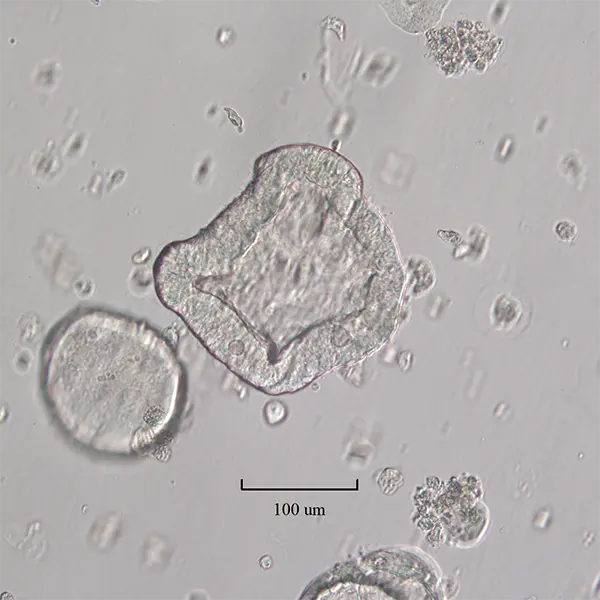
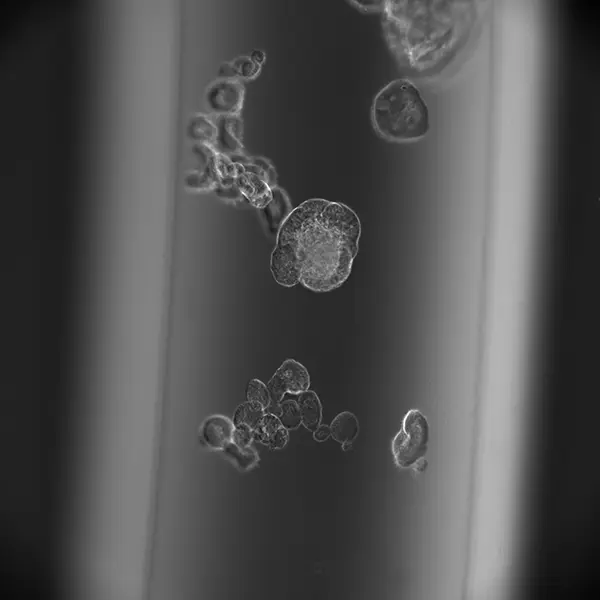
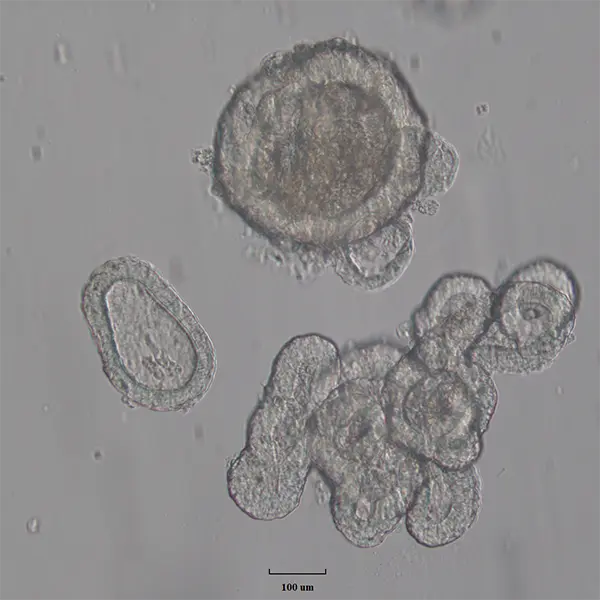
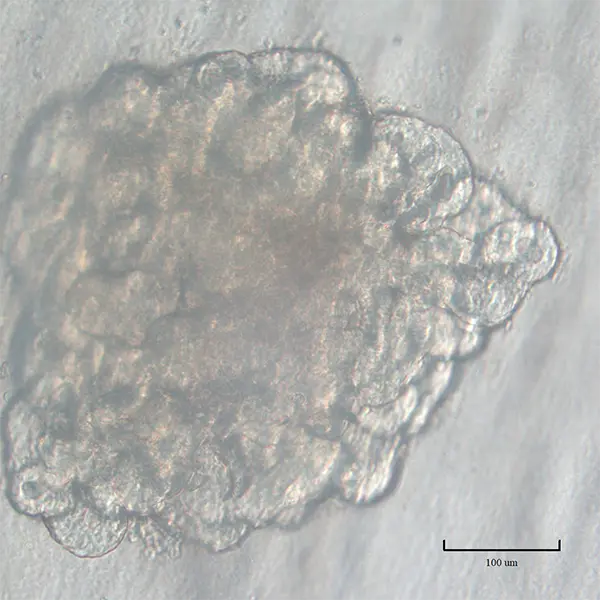
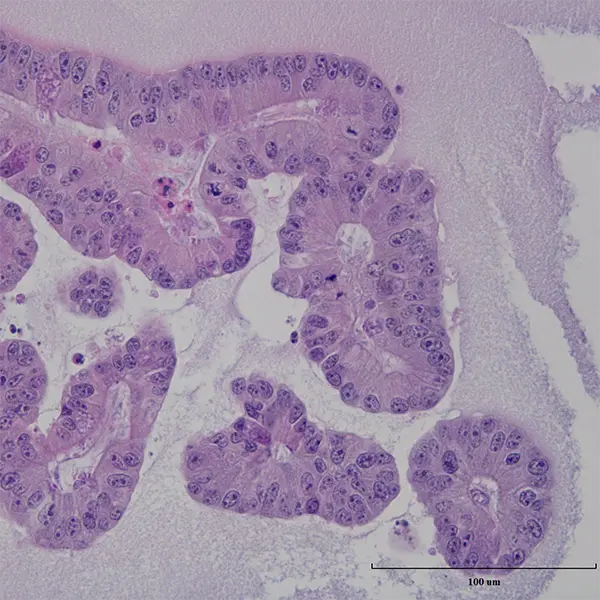
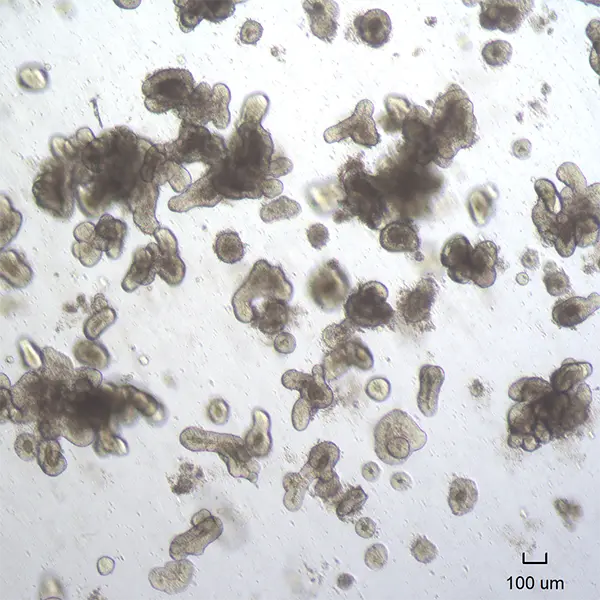
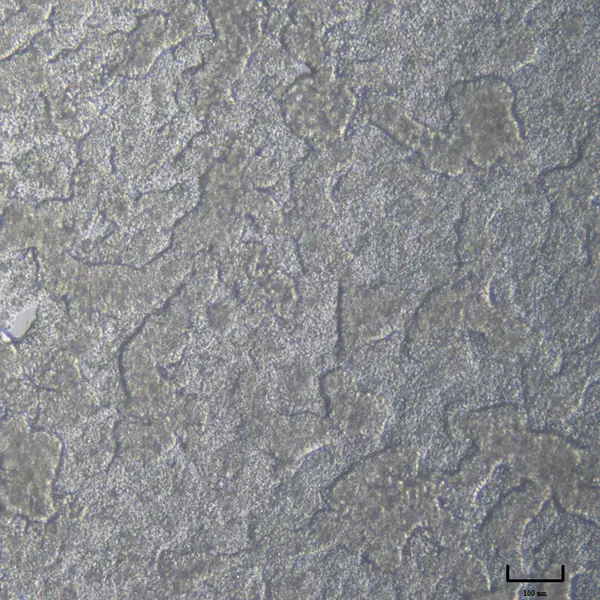
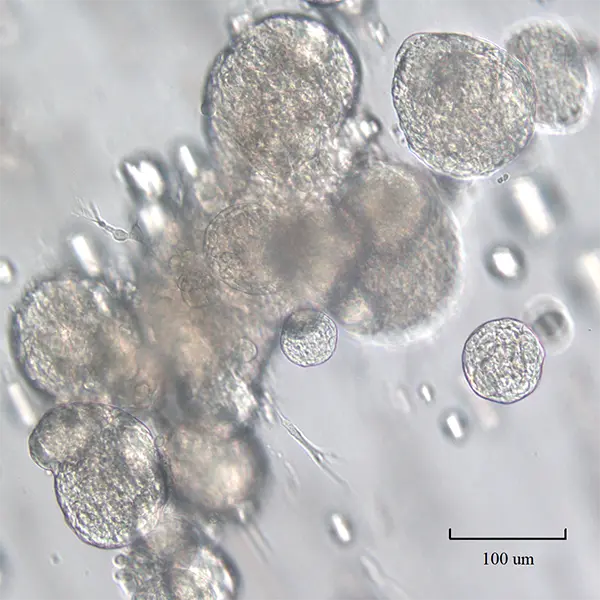
Intestinal organoids are miniature models of the gastrointestinal tract grown from stem cells. They reproduce many of the structural and functional features of the intestine, allowing researchers to study digestion, nutrient absorption, host-microbe interactions, and gastrointestinal diseases. These models are also valuable for testing new treatments and investigating personalized approaches to care.
Mammary Organoids
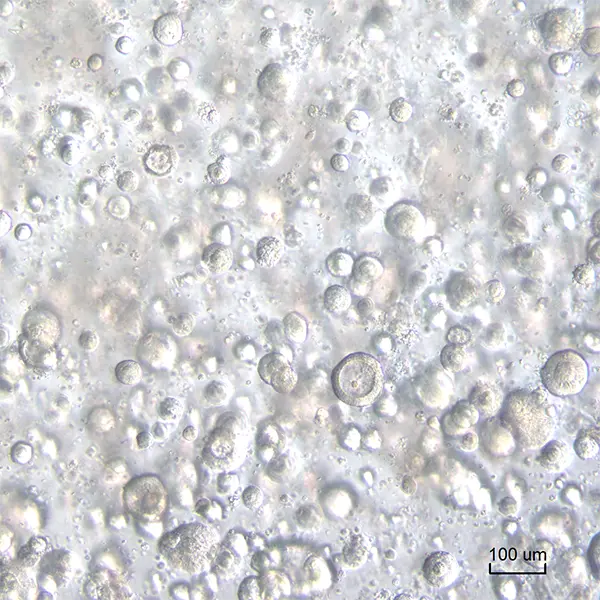
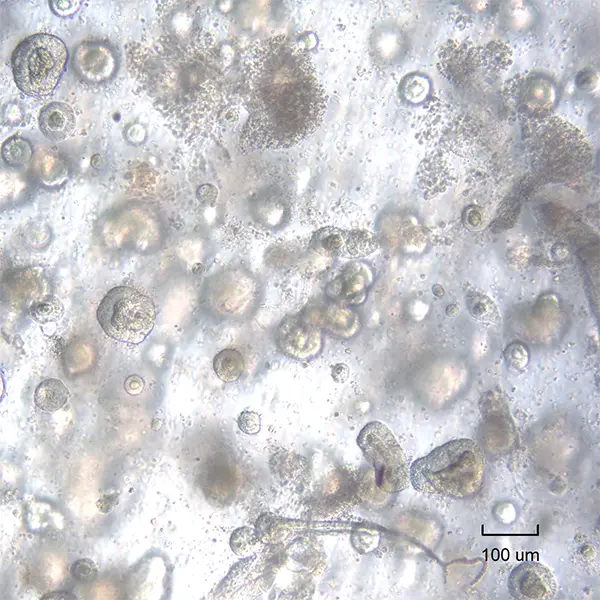
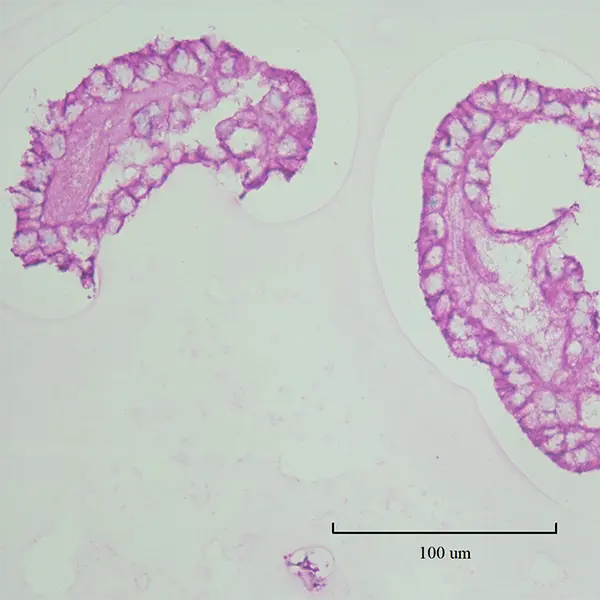
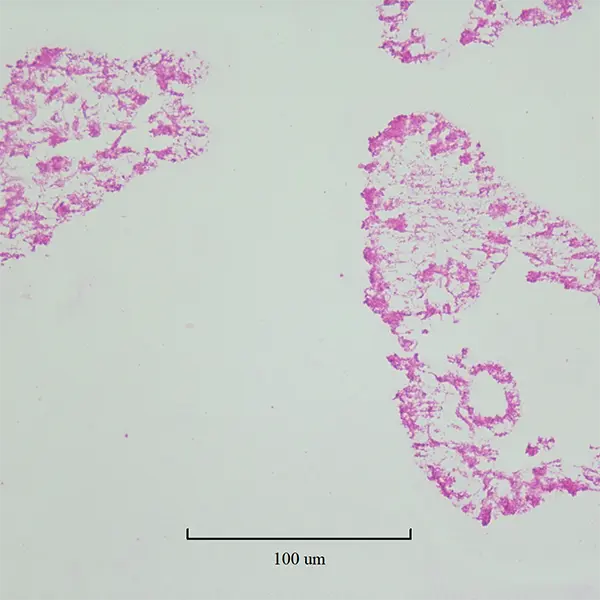
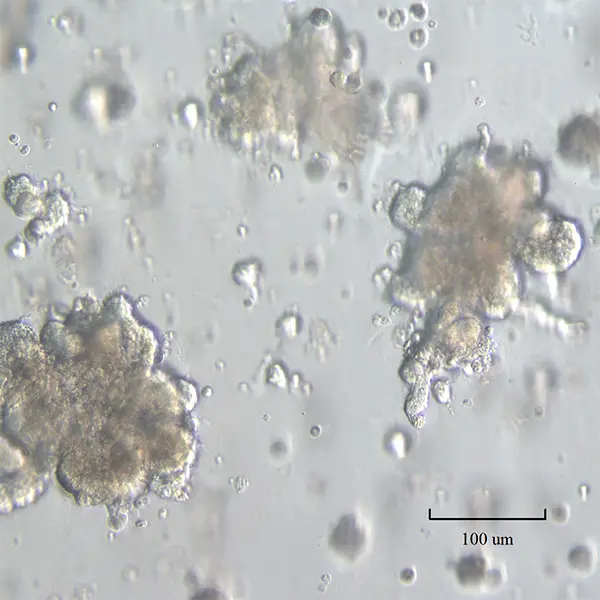
Mammary organoids are lab-grown models that mimic the structure and biology of mammary tissue. Researchers use them to study normal mammary gland development, lactation biology, and breast cancer progression. Mammary organoids provide a more accurate representation of tissue behavior than traditional cell cultures and support advances in cancer research and therapeutic development.
Respiratory Organoids
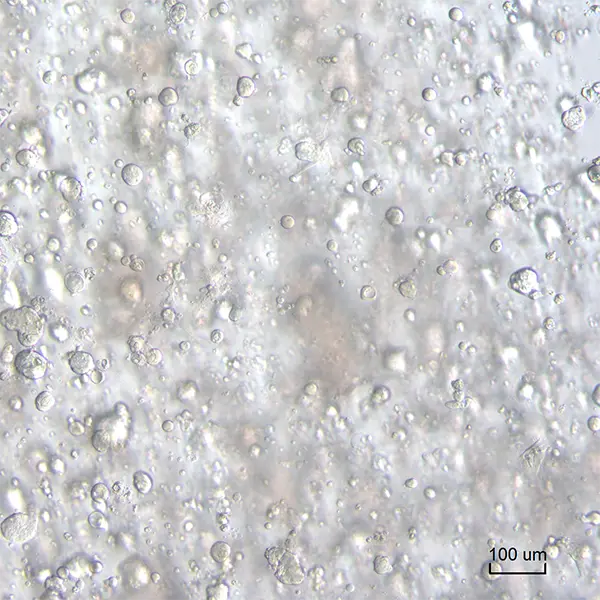
Respiratory organoids replicate key features of the airway and lung environment. They are used to investigate respiratory infections, lung disease, tissue repair, and responses to environmental exposures. These organoids help researchers better understand how respiratory tissues function and how diseases develop, supporting the discovery of new therapies and preventive strategies.
Uterine Organoids
Uterine organoids model the complex biology of the uterus and reproductive tract. They allow scientists to study fertility, implantation, reproductive disorders, and hormone signaling in a controlled environment. Uterine organoids also contribute to research on reproductive health conditions and the development of targeted treatments for gynecologic diseases.