
Cancer
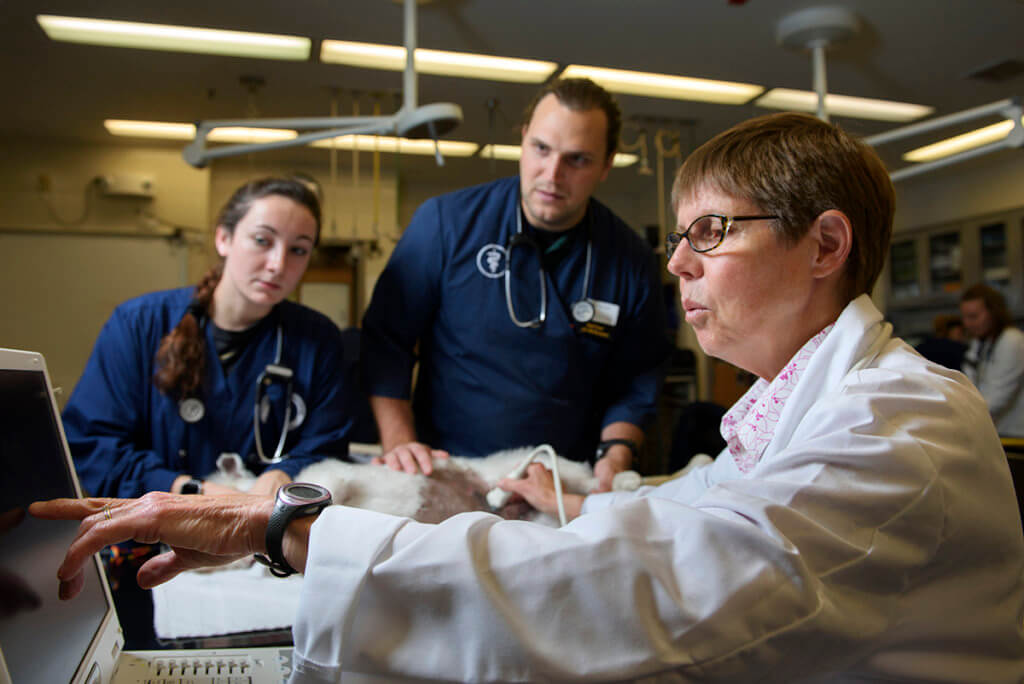
Purdue Veterinary Medicine Research Supported by $44,656 from Trask Innovation Fund
February 18, 2022
The Purdue Research Foundation Office of Technology Commercialization has awarded more than $143,000 from the Trask Innovation Fund across three projects, including one involving researchers in the Purdue University College of Veterinary Medicine and the College of Engineering.
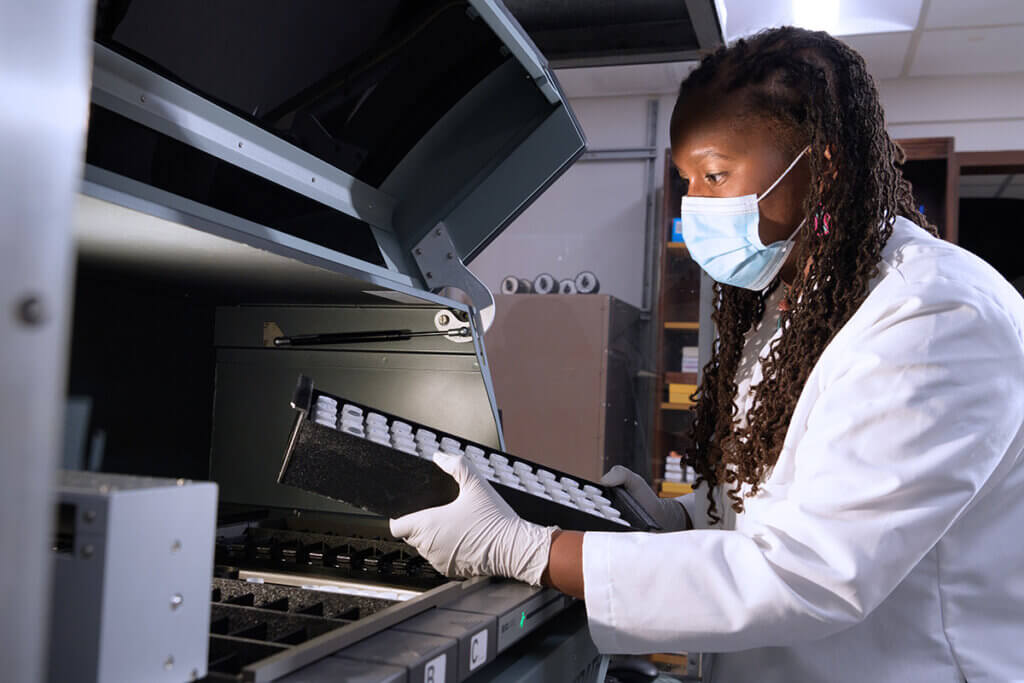
PVM Scholar Leads Groundbreaking Study of How the Brain’s Own Protective System Could Help Advance Treatment of Neurodegenerative Conditions
August 13, 2021
A labyrinthian network of blood vessels helps to maintain normal health by protecting the human brain from foreign contaminants. Unfortunately, this natural protection comes with a cost: While the maze keeps the brain safe, it is also an obstacle when treating brain damage or disease. Finding ways through the network could mean a drastic improvement in quality of life.
Dr. Tiffany Lyle, assistant professor of veterinary anatomic pathology in the Purdue University College of Veterinary Medicine’s Department of Comparative Pathobiology and a member of Purdue’s Center for Cancer Research, is on a mission to do just that. She is the first scientist to map changes to the brain’s barrier during metastases of lung cancer and, more recently, she has produced the first comprehensive, molecular mapping of the network in relation to blast-induced traumatic brain injuries.
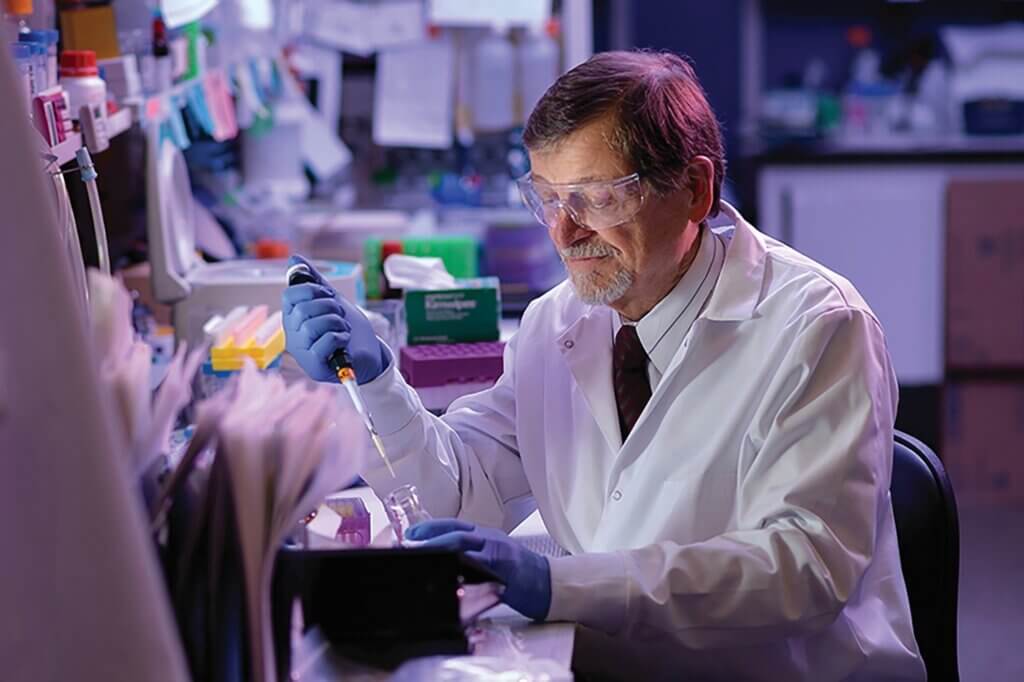
Dr. Timothy Ratliff Steps Down as Purdue Center for Cancer Research Director; will continue as Distinguished Professor in CPB
July 23, 2021
Purdue University is launching a national search for a new director of the Purdue Center for Cancer Research (PCCR) to succeed Dr. Timothy Ratliff, who has announced that he will step down from his role as the Robert Wallace Director of the PCCR after leading the organization for 14 years.
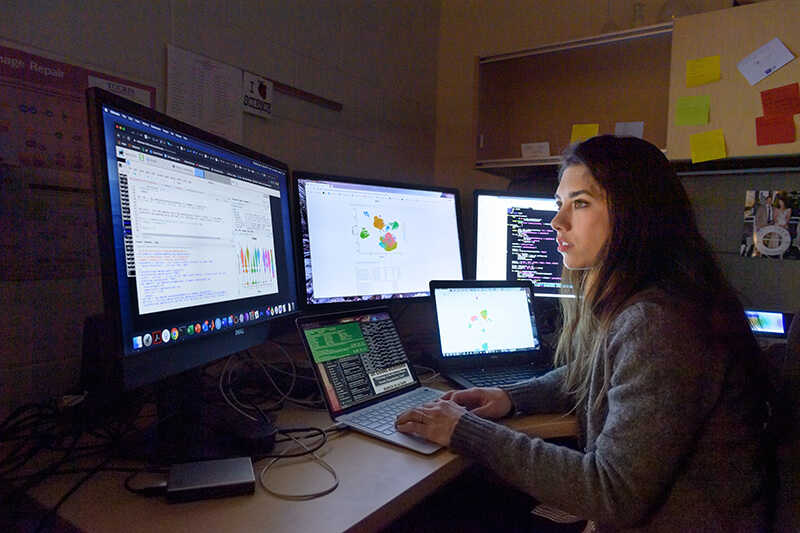
PVM Researcher Focuses on Data to Discover Better Cancer Diagnostics and Therapies
June 24, 2021
The next generation of treatments for cancer may be found, not by scientists peering through microscopes, but by computer scientists crunching numbers. Thanks to unprecedented amounts of data, Purdue University researchers across multiple disciplines, including comparative pathobiology, are using innovative data science techniques to better understand the genetics and cellular biology of cancer cells and tumors allowing them to pioneer new diagnostic tools, generate novel therapeutic treatments, and significantly advance the fight against cancer. Among the researchers involved in this work is Dr. Nadia Lanman, who holds an appointment as research assistant professor in the College of Veterinary Medicine’s Department of Comparative Pathobiology.
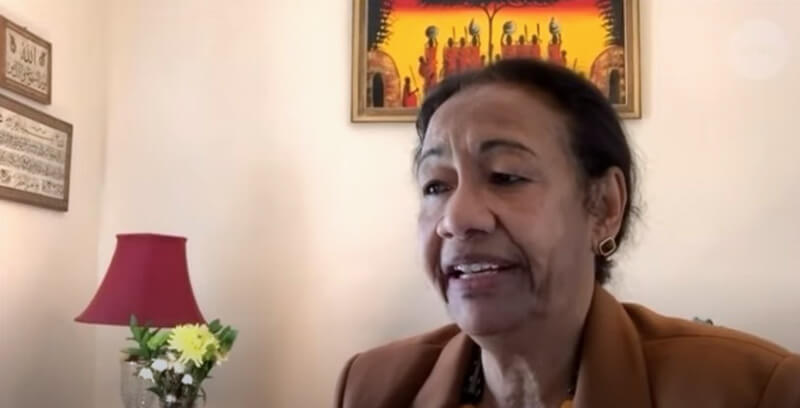
Cancer Milestone Video Published by Nature Spotlights PVM Researcher Sulma Mohammed
June 11, 2021
The Journal Nature celebrates two decades of advancements in cancer research with the publication of Milestones in Cancer, which includes a feature on the work of Dr. Sulma Mohammed, professor of cancer biology in the Purdue University College of Veterinary Medicine’s Department of Comparative Pathobiology.
PVM Researcher Focuses on Data to Discover Better Cancer Diagnostics and Therapies
May 28, 2021
The next generation of treatments for cancer may be found, not by scientists peering through microscopes, but by computer scientists crunching numbers. Thanks to unprecedented amounts of data, Purdue University researchers across multiple disciplines, including comparative pathobiology, are using innovative data science techniques to better understand the genetics and cellular biology of cancer cells and tumors allowing them to pioneer new diagnostic tools, generate novel therapeutic treatments, and significantly advance the fight against cancer. Among the researchers involved in this work is Dr. Nadia Lanman, who holds an appointment as research assistant professor in the College of Veterinary Medicine’s Department of Comparative Pathobiology.
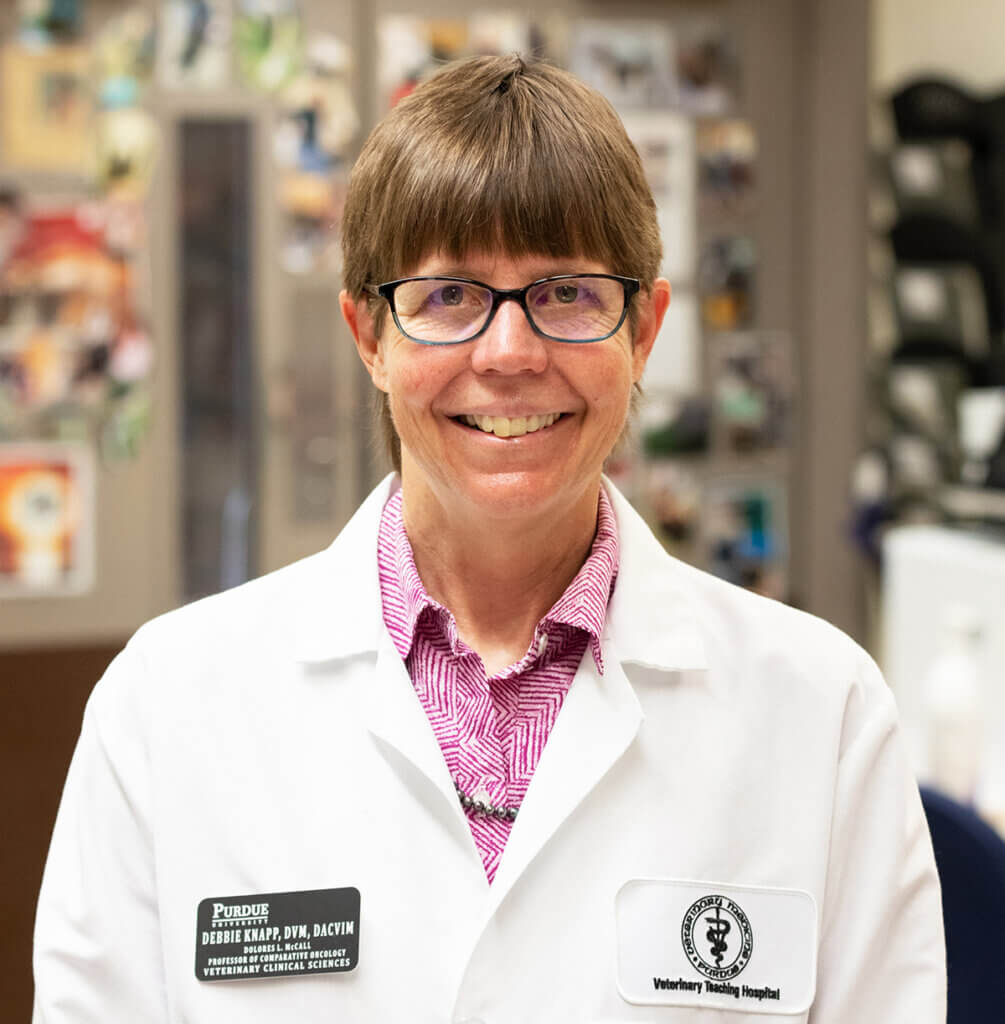
Presentation Highlights Oncology Research Success
January 26, 2021
Distinguished Professor of Comparative Oncology and Dolores L. McCall Professor of Comparative Oncology Deborah Knapp recently marked a milestone in her career. As an endowed professor, Purdue University requires Dr. Knapp undergo a review by her department every five years with the latest review completed last month. Dr. Knapp was first named the Dolores L. McCall Professor of Comparative Oncology in 2006 and has held the title ever since. As part of the review, Dr. Knapp was asked to present a seminar highlighting some of her research team’s success.
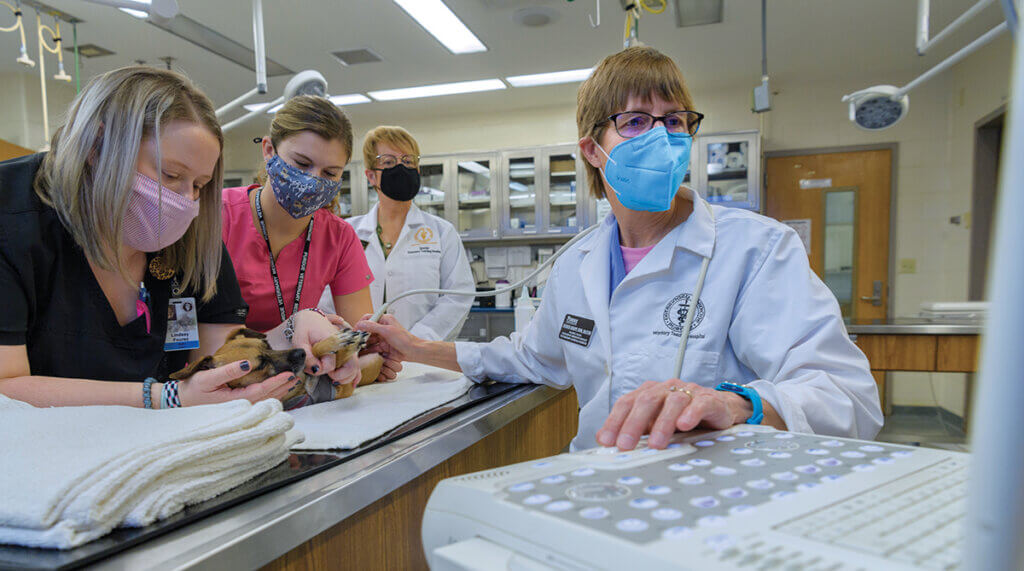
Purdue Scientists Join in Launch of Cloud-based Canine Cancer Database to Benefit Humans and Their Best Friends
December 16, 2020
The National Cancer Institute announced in August the development of a cloud-based Canine Cancer Database that has significant ties to the Purdue University College of Veterinary Medicine.
PVM Faculty Play Prominent Role in Purdue University’s Unique Center for Cancer Research
December 11, 2020
As one of only seven basic laboratory cancer centers recognized by the National Cancer Institute, which is part of the National Institutes of Health, the Purdue University Center for Cancer Research (PCCR) connects more than 110 researchers from across the university, including faculty in the College of Veterinary Medicine. As the only NCI basic laboratory cancer center that includes a college of veterinary medicine, PCCR has the unique opportunity to study canine oncology while giving dogs chances to live longer, fuller lives.
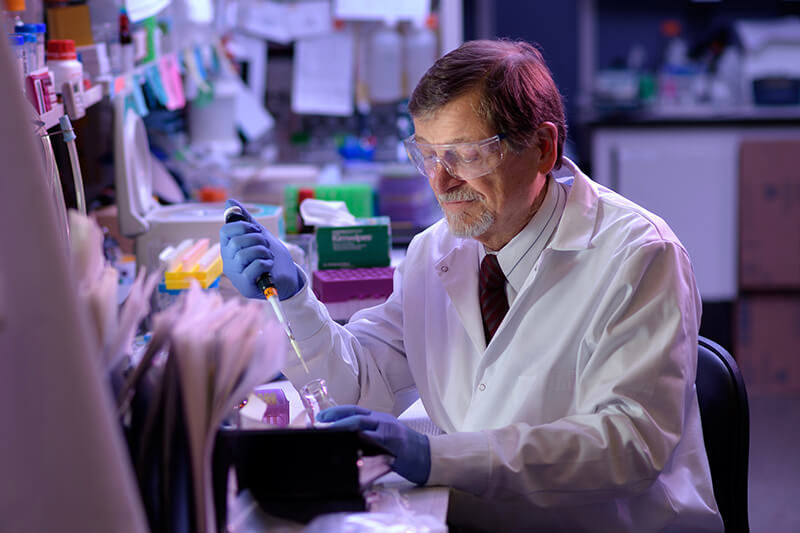
New Cancer Immunotherapy Shows Promise in Early Research Co-led by CPB Distinguished Professor
December 11, 2020
A new approach to cancer immunotherapy has the potential to be a universal treatment for solid tumors, according to researchers at Purdue University, including a Distinguished Professor in Purdue Veterinary Medicine’s Department of Comparative Pathobiology. The research was led by Dr. Philip Low, Purdue’s Presidential Scholar for Drug Discovery and Ralph C. Corley Distinguished Professor of Chemistry, and Dr. Timothy Ratliff, Distinguished Professor of Comparative Pathobiology and the Robert Wallace Miller Director of the Purdue Center for Cancer Research.
