In 2018, the Purdue University College of Veterinary Medicine redefined its approach to digital communication. Today, its social media presence is a strategic medium for education, recruitment, and public engagement, demonstrating measurable growth and meaningful impact.
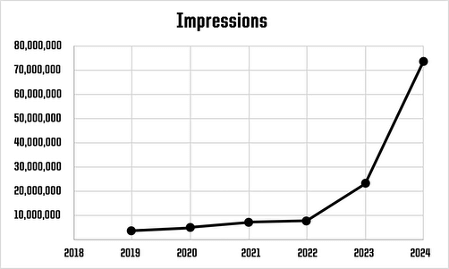
Purdue Veterinary Medicine treats social media as a goal-driven communication vehicle that supports the college’s mission to educate, serve, and protect animal and public health. It’s a strategy that has been in place since 2018, when the college had just over 11,000 followers. In the years that have followed, that audience has grown to more than 227,000 (as of November 1, 2025). For calendar year 2024, PVM content generated more than 73 million impressions across the college’s digital channels. A particularly compelling example of this reality involved the Indiana Animal Disease Diagnostic Laboratory (ADDL) and social media posts that shared the advice and guidance of ADDL experts with the public. But more about that after some words of introduction.
Because of this growth in followers and impressions, social media has become one of the most effective ways of making the expertise of faculty and staff available to meet the needs of the public. By sharing timely and credible information, Purdue Veterinary Medicine has built an engaged digital community that advances veterinary medicine, supports public health, and facilitates expanded engagement with stakeholders.
Followers: 227,082 as of November 1, 2025
Impressions: 73,792,016 in 2024
Engagement Rate: 7.14% in 2024
As the audience has grown, the quality of the college’s engagement with followers has kept pace. The engagement rate – the rate at which people actively interact with likes, comments, and shares – stood at 7.14 percent for 2024, double the average engagement rate for either the education or healthcare sectors. This fact matters because higher engagement correlates with growth for the college, whether in terms of applications for admission or patient visits to the Purdue University Veterinary Hospital.
Social media enables the college to meet people where they are, whether they are using Facebook, Instagram, LinkedIn, Threads, YouTube, or BlueSky. The college maintains an active presence on each of those platforms, complemented by Google, Bing, and Apple Business listings for the locations of the college’s various facilities. Keeping followers engaged takes regular communication that’s consistently on brand to ensure that evidence-based guidance from the college reaches pet owners, students, alumni, and partners when it is most helpful.
Taken together, these practices foster a digital community that is broader, more engaged, and better equipped to act on credible information, which helps the college fulfill its mission to educate, serve, and protect animals and people alike.
The PVM Social Media Playbook
Every post begins with a purpose, whether it involves providing education about animal health, showcasing a hospital or diagnostic laboratory service, or promoting a particular program. Messages are tailored to each social media platform in order to ensure effective communication with the people interacting there. For topics related to animal and public health or research, faculty and staff experts provide accurate, practical guidance that supports informed decisions. For topics involving student life and veterinary education, experiences are highlighted that illustrate how PVM students learn and grow. Together, these efforts communicate how the college fulfills its mission while also building lasting engagement within both local and online communities.
One Health for the Good for All
Protecting animal and human health is one of Purdue Veterinary Medicine’s most important commitments on social media. When seasonal or environmental risks emerge, the college’s digital channels serve as important tools for public education. Educational posts reach beyond Indiana, connecting communities nationwide with accurate information that helps prevent harm to pets, livestock, and people.
Warning about poisonous death cap mushrooms
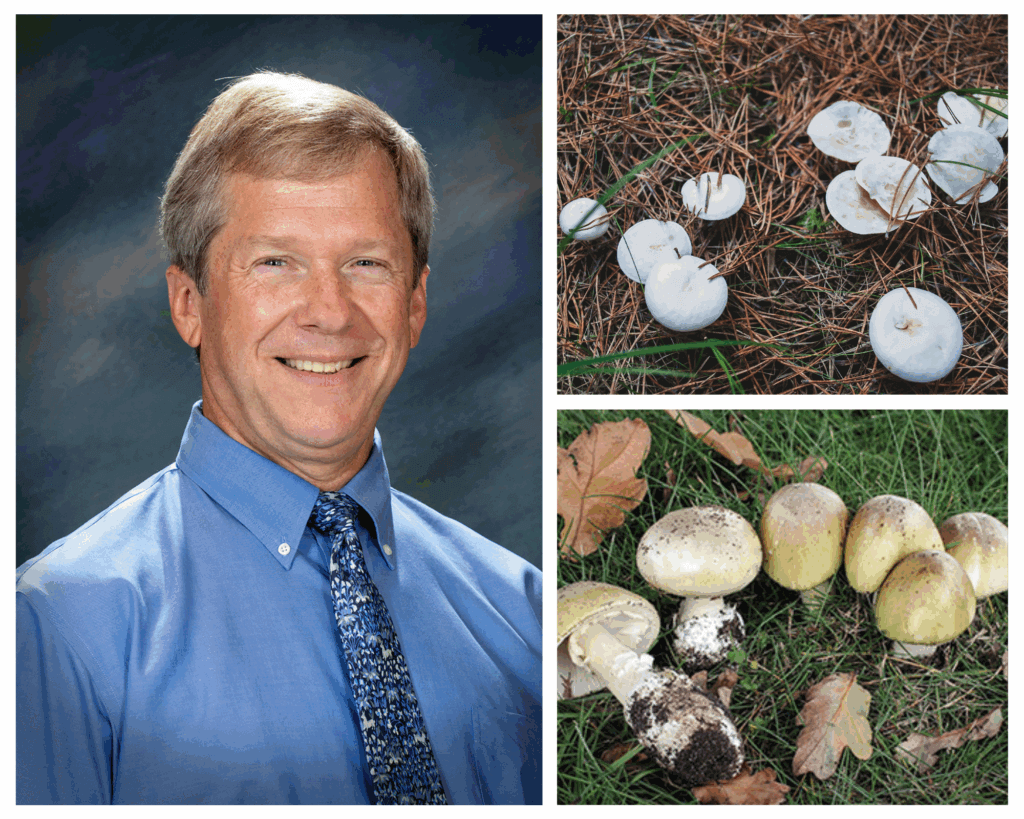
In the late summer of 2025, Dr. Steve Hooser, professor of toxicology in the Department of Comparative Pathobiology and senior veterinary toxicologist at the ADDL, issued a timely warning about the spread of Amanita phalloides, commonly known as the death cap mushroom. These toxic mushrooms had been identified in central Indiana, posing a severe risk to dogs. The message was clear and actionable, advising pet owners that if ingestion was suspected, they should contact a veterinarian immediately, because intervention is critical.
Comments shared in response to this post:
- “My dog ate one of these in Ohio, and thanks to this post I knew what to tell the vet right away. She’s okay now.”
- “I’ve been pulling these from my yard all summer. Grateful for the reminder of how dangerous they can be.”
- “This post may have saved my dog’s life. Thank you for spreading the word.”
The advisory reached more than 760,000 people, drew thousands of shares, and prompted more than 140 media reports nationwide. It also led to direct outcomes, including a situation shared by a follower who credited the post with helping to save their pet’s life after they recognized symptoms described in the message. The post showed how timely, authoritative information from the ADDL can protect both animals and families across the region.
Milk Sickness and White Snakeroot
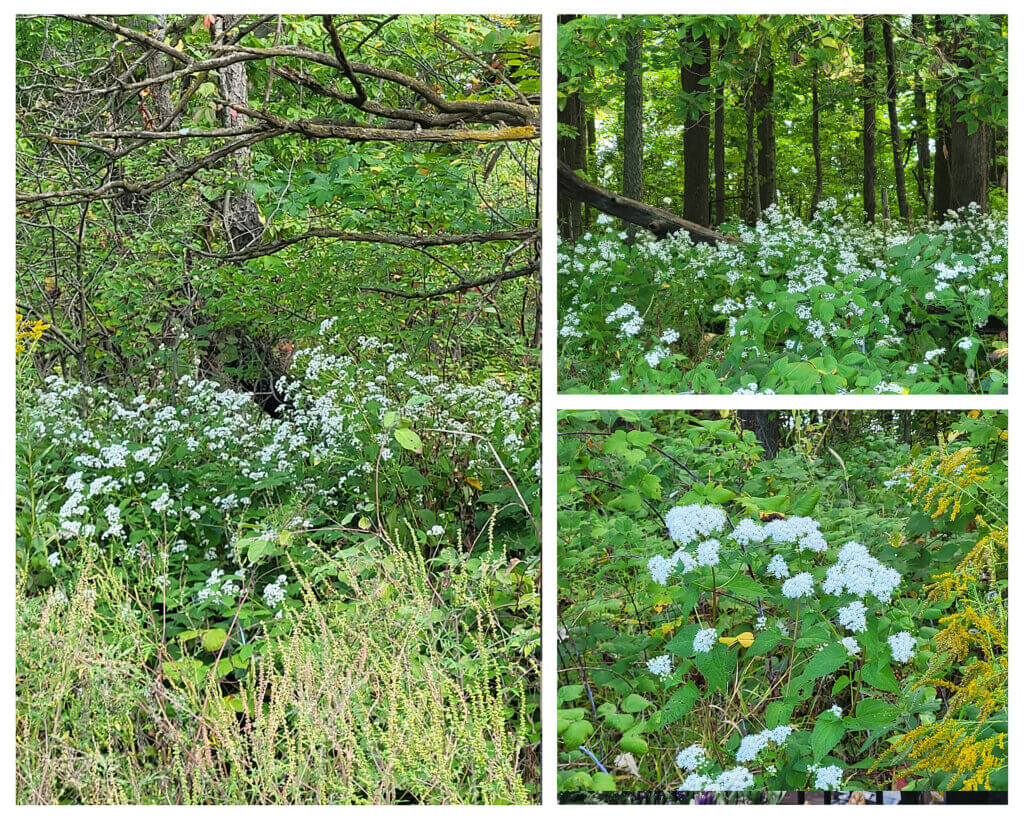
Another educational post from Dr. Hooser explained the danger of White Snakeroot, the plant responsible for “milk sickness,” a historically recognized cause of fatal poisonings among early settlers and livestock. Modern agricultural practices have largely eliminated the danger, yet the plant remains common throughout Indiana, the eastern United States and southern Canada. Dr. Hooser’s informative post outlined the science behind the toxin and offered steps small herd owners and equine managers could take to reduce their animals’ risk of exposure.
Comments shared in response to this post:
- “We have a lot of this in our woods. I never realized how dangerous it could be.”
- “It killed one of our goats years ago. Purdue helped us confirm it was White Snakeroot.”
- “This information helps keep our livestock safe. Thank you for sharing it!”
Educating the Public about Animal Health, One Post at a Time
How to Tell a Kitten’s Age Using Teeth
Sometimes the most effective communication is also the simplest. A post explaining how veterinarians estimate a kitten’s age by examining its teeth informed more than two million social media viewers about a foundational shelter medicine concept. The post explained that baby teeth appear in kittens within two to three weeks, begin to fall out around fourteen to sixteen weeks, and are replaced by adult teeth at about six months. This information provided practical insights that helped followers understand what happens during a veterinary exam and why it matters.
Comment shared in response to this post:
- “So that’s how the vet knew my kitten’s age! I found this stray and thought poor nutrition made him small, but the vet knew immediately. Now I understand.”
The response highlighted how shared expertise can build understanding and trust. One follower expressed appreciation for the post that helped them understand how their veterinarian had determined the age of a rescued kitten. Posts like this assist pet owners in making more-informed decisions and reinforce peoples’ awareness of the role veterinary professionals play in safeguarding animal health.
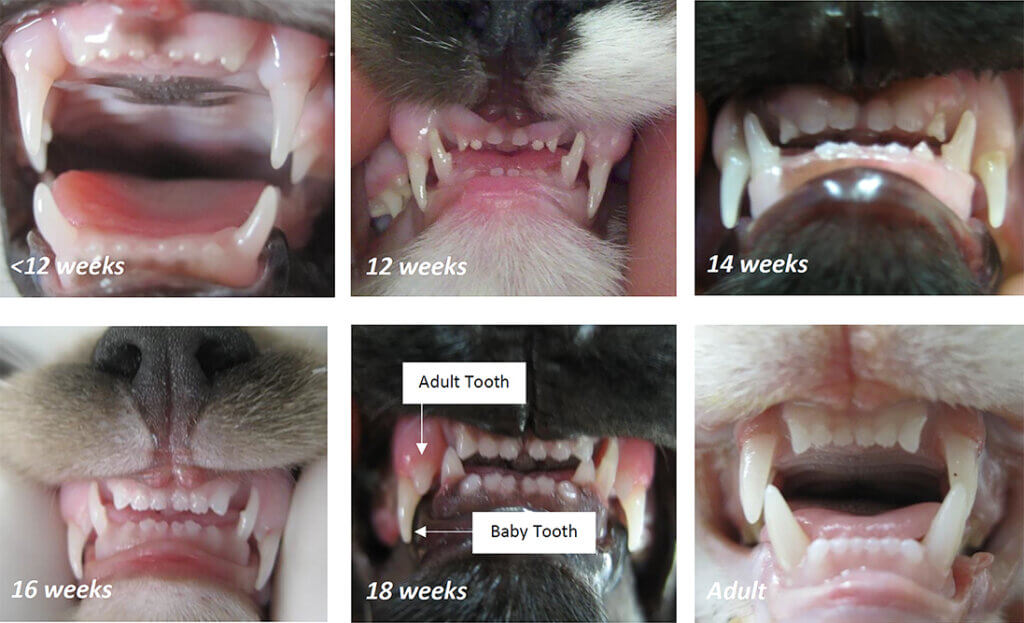
Post prepared by fourth-year veterinary student and social media intern Melanie Figueroa
Translating Research Into Real-World Impact
Spreading the word about an equine respirator designed to ease asthma in horses
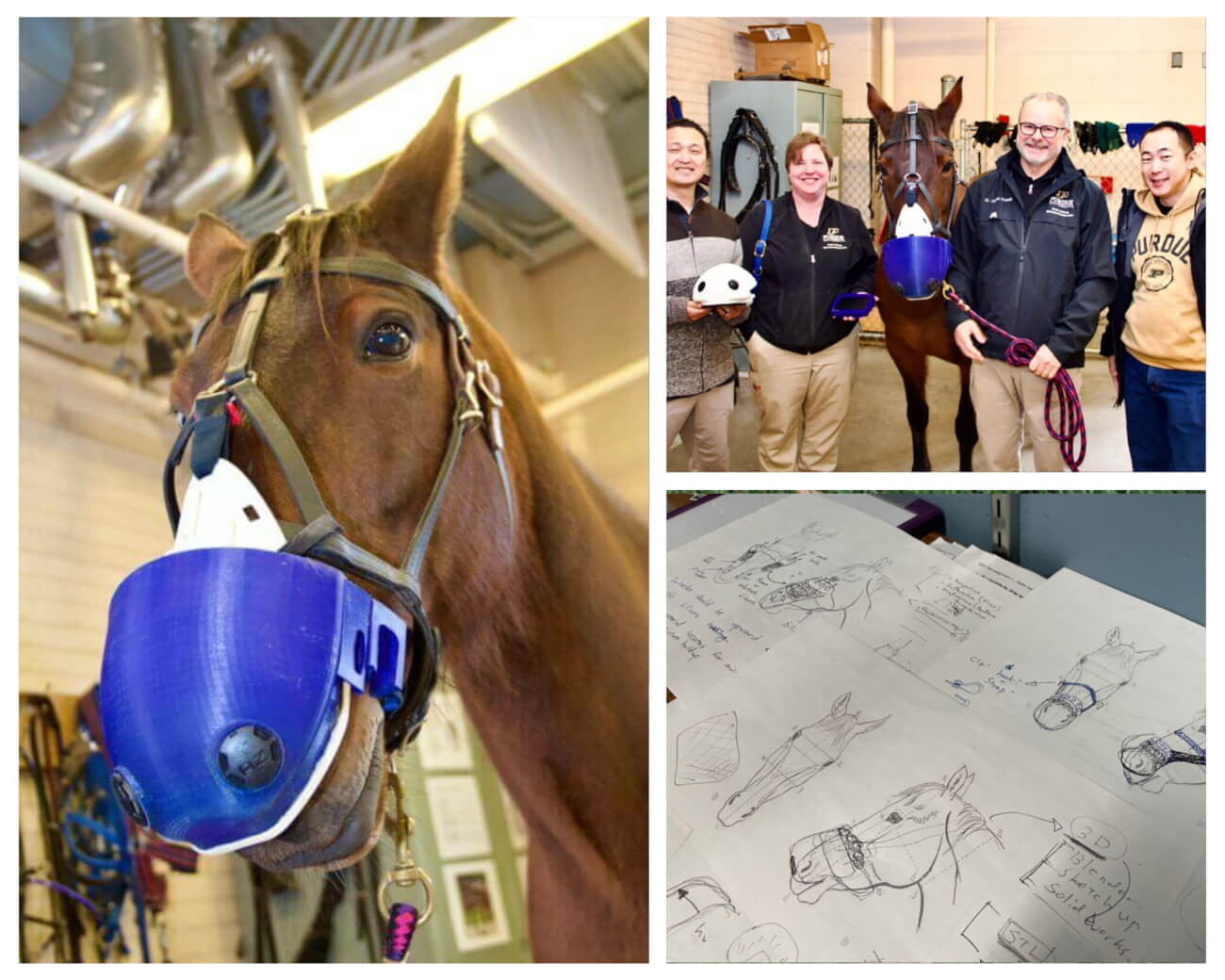
Collaboration between disciplines often leads to innovations that improve both animal and human health and well-being. Recent stories about an equine respirator developed jointly by Purdue’s College of Health and Human Sciences and the College of Veterinary Medicine exemplify this reality. The project began with a simple question: could a respirator originally designed for human use be adapted to help horses suffering from asthma? Through careful design, testing, and persistence, the research team created a prototype that filters dust and particulates while allowing horses to breathe comfortably during normal activity.
Social posts about this research resonated widely, reaching nearly 200,000 people and generating extensive engagement from horse owners, alumni, and researchers. Comments reflected appreciation for Purdue’s collaborative culture and for the One Health approach that connects advances in human health with new ways of safeguarding animal health. Many readers shared their own experiences in managing equine asthma, underscoring the real-world need for practical, accessible solutions.
Comments shared in response to this post:
- “I think one of the things that is unique about Purdue University is that collaboration occurs without competition. Departments look at how to make a project stronger by bringing people together. I am proud to be an alum because of that spirit.”
- “This could be life changing for owners and equines alike, especially for those of us dealing with environmental challenges beyond our control. Thank you for your efforts.”
Education in Action: Showing Students Learning
Clinical Skills Lab
In the Clinical Skills Lab in Lynn Hall, a large animal medicine session gave students the opportunity to practice such skills as hoof care, tail venipuncture, and limb bandaging on animal models – an approach that enables the students to benefit from repetition and feedback before they move on to closely supervised work with live animals. Alumni remember these experiences that for them served as the building blocks for gaining confidence and honing clinical judgment.
Comments shared in response to this post:
- “Back in the late 80’s we practiced on live animals who did not stand still. These models are a great way to learn before that step.”
- “Great job. These are excellent tools to build technique prior to working with a live animal.”
Comments shared in response to the post served as a shared memory book. One graduate offered a smile emoticon and this reminder: “A real horse will not stand that still for a bandage.” Another reflected on training that was received in the late 1980s and the improvements that new teaching tools have brought about.
The post reached more than 114,000 people and generated overwhelmingly positive reactions and shares. For PVM, the resulting engagement enabled prospective students to picture themselves learning at the Purdue University College of Veterinary Medicine, while alumni witnessed their legacy being carried forward.
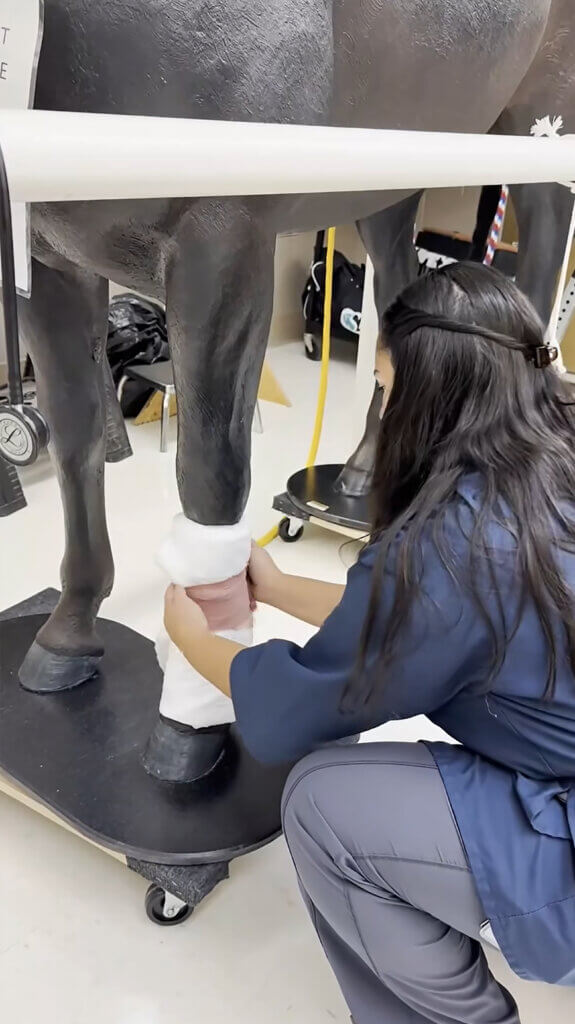
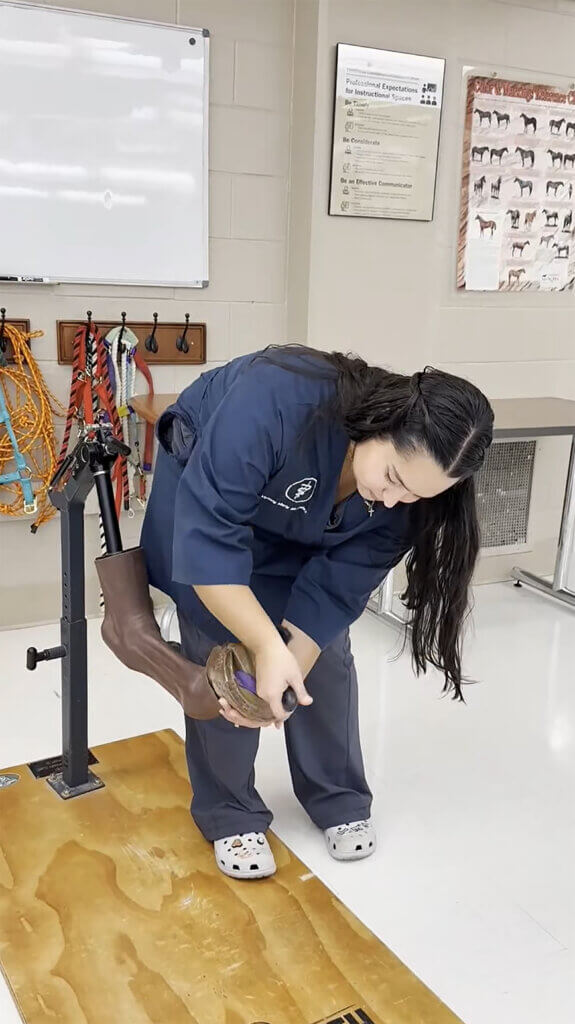
Post prepared by Amanda Mills, of the DVM Class of 2028, and the Social Media Team
Welcoming the Next Generation
First Year Friday Features
Students can develop a sense of belonging before they step into Lynn Hall on the first day of class. “First Year Friday” is the title of a social media series created to welcome new DVM students with posts honoring their hometowns and interests. Kelsey Craig, of the Class of 2029, is looking forward to a career of caring for small animals and exotics. Sam Currie, of the Class of 2028, has a passion for large animal medicine and is from a family of Purdue fans.
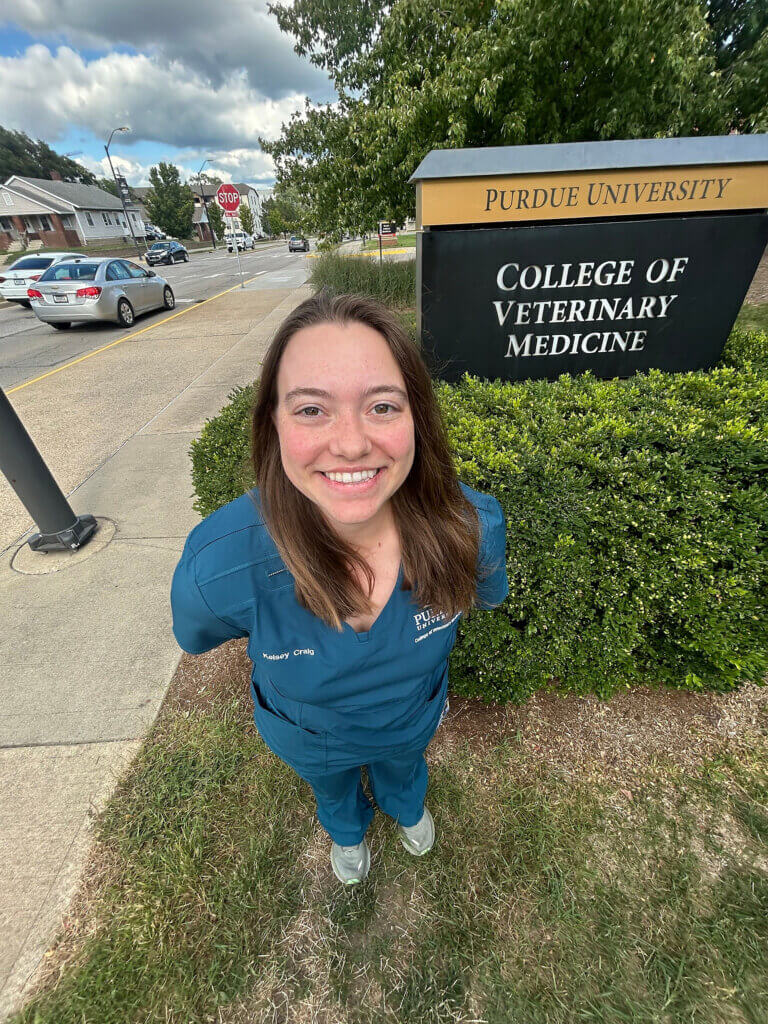
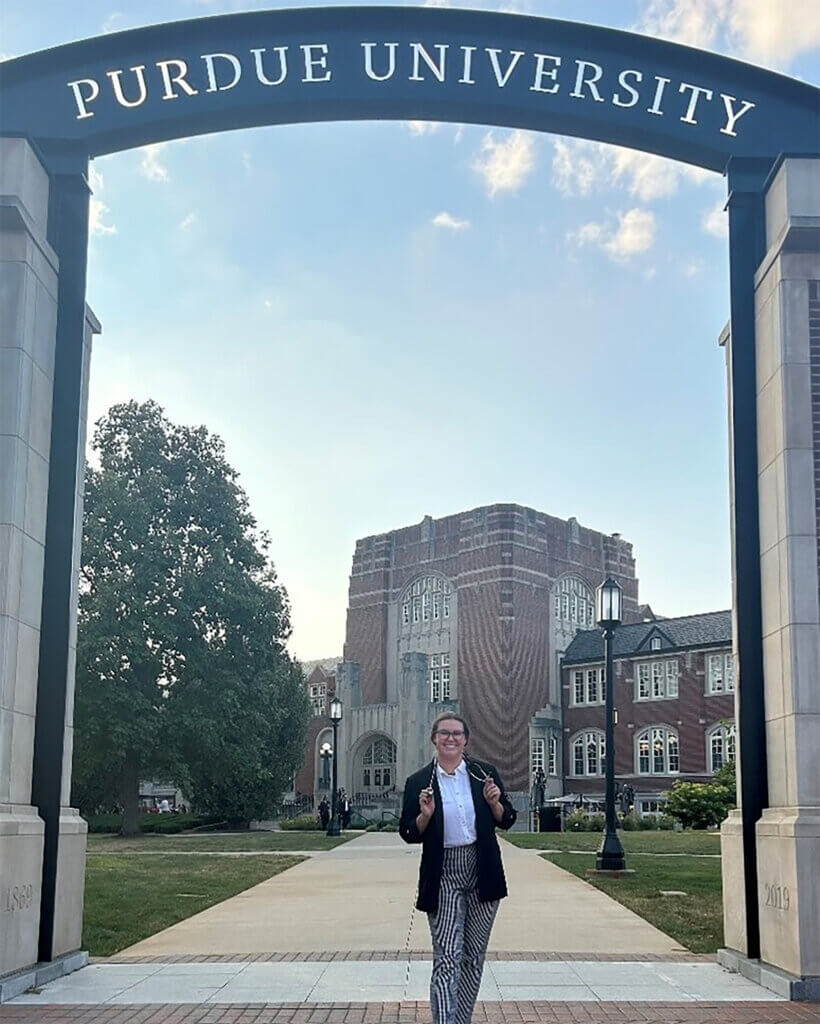
The weekly series spawned some of PVM’s most reliably popular content, with individual posts routinely reaching more than 50,000 people. They also reinforced broader recruitment efforts aimed at attracting the best and brightest prospective DVM and veterinary technology students to Purdue. In 2025, applicants to the DVM program increased by 566% compared to 2018, while the online Veterinary Technology program reached enrollment of just under 900 students for the fall 2025 semester.
Comments shared in response to this post:
- “So proud of you Kelsey. You are going to be an amazing veterinarian.”
- “Glad to see Sam following her dream. We need more large animal vets in Indiana.”
- “Congratulations to all the first-year students. Purdue is lucky to have you.”
Posts prepared by social media interns Marissa Ramon (DVM Class of 2025) and Megan Munoz (DVM Class of 2028)
From Strategy to Impact
Behind every post is a process to align content with the college’s mission to educate, pursue scientific discovery, and serve. Whether that means offering practical guidance to pet owners, sharing clinical insights, celebrating student achievement, promoting advancements in animal and human health, or encouraging alumni engagement, the messages, visuals, and timing are designed to inform, inspire, and strengthen the connection between PVM and its many audiences.
Measurement is an essential part of this strategy. The college tracks reach, engagement, and response in order to evaluate effectiveness. The numbers show that the college continues to exceed national averages for education and healthcare institutions. These are meaningful results representing a measurable effect, but the most important indicators go beyond metrics. They surface in subsequent actions: a pet owner who chooses more quickly to call a veterinarian; a student who follows through on a decision to submit an application; an alumnus who opts to share an inspiring post that encourages a current student; or a clinician who is able to enroll an animal patient in a clinical trial because someone read a post about a new research study. Each of these outcomes showcases communication that has achieved its purpose.
Follow PVM
Don’t forget to follow PVM on Facebook, Instagram, LinkedIn, Threads, YouTube, or BlueSky and please make sure to like, comment, and share to help carry our mission forward!