
Public Awareness of the Roles and Welfare of Veterinarian
by John Lai1 (johnlai@ufl.edu), Courtney Bir2 (courtney.bir@okstate.edu), Nicole Olynk Widmar3 (nwidmar@purdue.edu), and Christopher A. Wolf4 (caw364@cornell.edu)
1Department of Agricultural Economics, University of Florida, Gainesville, FL 32611, USA
2Department of Agricultural Economics, Oklahoma State University, Stillwater, OK 74078, USA
3Department of Agricultural Economics, Purdue University, West Lafayette, IN 47907, USA
4Charles H. Dyson School of Applied Economics and Management, Cornell University, Ithaca, NY 14853, USA
Published by the Center for Animal Welfare Science at Purdue University
OneWelfare.2020-01 | May 2020 | © 2015 Purdue University
Executive Summary
The well-being of those in the veterinary medicine profession is vitally important to supporting the health and wellness of animals, ensuring safe food supply, and human health via One Health efforts. However, recent years have revealed significant challenges facing veterinary health professionals, including student debt loads and mental health challenges. Results of a national-scale data collection effort reveal a lack of knowledge about the challenges faced by the veterinary health profession, even among pet-owners who presumably interact directly with members of the veterinary health profession. The lack of concern or recognition of challenges facing the veterinary health profession may point toward the need to broaden public knowledge of the connections between human and animal health. In particular, recognition of the role of One Health, or interconnectedness of human and animal health may strengthen understanding and appreciation for the roles of veterinarians in society.
This article includes discussion of suicide and mental health issues. If you are experiencing feelings of depression or suicidal ideation, please call the National Suicide Prevention Lifeline (800-273-TALK; 800-273-8255; suicidepreventionlifeline.org).
Research Abstract
Challenges facing the veterinary health profession are increasing as student debt, financial stress, physical workload, compassion fatigue, and mental health strains become widely recognized as threatening veterinarians and veterinary health professionals. The objectives of this study are to document the degree of awareness among the public of the various occupational roles served by veterinarians and the challenges faced by the veterinary profession. A sample of n= 607 respondents in the United States (US) was collected in September of 2019. Respondents completed a questionnaire focused on their awareness of the various employment of veterinarians in the private and public sectors (pet clinics, zoos, farms, USDA, FSIS, and military) as well as risk factors of the veterinary profession, including financial pressures, occupational stress (mental health in general health and palliative care), and physical safety working with animals. Results showed that the US public did not have a strong grasp of the critically important services provided by veterinarians and the wide-ranging implications these services have on the human population. While higher percentages of pet owners were aware of risk factors than were non-pet owners, rates of awareness remained low overall. This study concludes that increasing public awareness through various channels may reduce the information asymmetry and bring needed attention to the infrastructure (e.g., mental health and student debt planning services) in support of the well-being of those in the veterinary profession via One Health and food supply and security (safety) assurances.
Keywords: Animal industries, public perceptions, veterinarian profession, veterinary medicine, veterinarian welfare.
Introduction
Veterinary medicine has made great strides in recent decades to improve the image held by the general public [1] of the veterinary profession through many industry-wide shifts such as those toward school accreditation [2], veterinary licensure [3], continuing education [4], ethics [5], scientific publications, and public relations [6]. The most common view held by the general public about the veterinary profession leans toward veterinarians mending ill or injured companion animals [7]. However, the world of veterinary medicine is much more diverse, and veterinary students have many pathways to pursue in addition to operating veterinary clinics and hospitals, or veterinary surgeons’ offices. Veterinary health professionals serve to promote public (human) health and protect animal health and welfare, as well as serve in surveillance, prevention, control, and treatment of disease – collectively referred to as “Food Supply Veterinary Medicine” [8]. Veterinarians hold important roles throughout the economy, especially throughout the food supply chain such as on the farm, in meat processing facilities, food distribution, and food retail outlets [7,9]
While opportunities abound and the industry revenues have grown over the past five years at an annualized 6.3 percent,[10] there have been numerous reports sounding an alarm over occupational stress (mental health difficulties) faced by veterinary practitioners. As one journalist characterized the problem: “Not all is warm and fuzzy for veterinarians.” [11] Suicide ideation, suicide attempts, and depression are all elevated risk factors among veterinarians. A report released by the Centers for Disease Control and Prevention (CDC) has provided contrasting evidence showing that veterinarians are between 2.1 and 3.5 times more likely to commit suicide among males and females, respectively, compared to the general population [12]. Elevated veterinarian suicide rates have been documented across countries, including the United Kingdom (UK) [13–15], the United States (US) [16] and Australia [17]. Many scholars have postulated that common risk factors include occupational stress, financial distress, long hours, and dissatisfaction with career selection [14, 18–20]. More public awareness on veterinarians’ impacts to society and human health is needed to ensure a healthy and sustainable labor supply of veterinarians and veterinary health professionals.
Due to the prevailing perception of the general public that veterinarians provide services to small animals predominantly in urban and peri-urban areas, public support for veterinarians is limited. Furthermore, lack of understanding of veterinarians’ impacts on society and human health may contribute to the lack of public attention placed on ensuring a healthy and sustainable labor supply of veterinarians and veterinary health professionals. Those veterinarians located in rural areas are at particularly greater risk due to the limited services available to aid in mental health related issues. Other factors, such as working conditions (particularly for veterinarians working with large animals), physical risks associated with working with animals, and inconsistent working hours (especially in rural areas) may all contribute to the difficulties facing veterinarians.
Under the current state of the veterinary industry, the harsh reality is that many veterinarians and other veterinary health professionals are struggling due to limited mental health services and other needed support services. This study seeks to measure public knowledge about the occupational roles of veterinarians in the US and delves into determining whether pet owners hold differing views on veterinarians than non-pet owners. The null (or motivating) hypothesis is that pet-owning households express more concern about the welfare of veterinarians, although differences across demographic factors may also be present. For example, awareness of the roles of veterinarians in the food supply and public health system may differ across education levels of respondents.
Research Methods and Data
Survey Instrument
The national-scale survey was administered (with IRB approval) from September 10 through 17, 2019, using Qualtrics, an online survey tool, to accumulate information on demographics, pet ownership or experience in the household, and to measure knowledge about the roles and challenges faced by veterinary health professionals. A large opt-in panel management and marketing company, Kantar, was used to obtain the survey respondents. Respondents were required to be 18 years of age or older to participate; all respondents indicating they were under 18 years of age were immediately dismissed from the survey at the culmination of the demographic questions, and the associated data were discarded. Using quotas, the sample was targeted to be representative of the US population in terms of gender, income, education, and geographical region of residence [21]. Regions of residence were defined as per the Census Bureau Regions and Divisions. (Regions were defined, according to the US Census Bureau, as follows: Northeast (Connecticut, Maine, Massachusetts, New Hampshire, Rhode Island, Vermont, New Jersey, New York, and Pennsylvania); Midwest (Indiana, Illinois, Michigan, Ohio, Wisconsin, Iowa, Kansas, Minnesota, Missouri, Nebraska, North Dakota, and South Dakota); South (Delaware, District of Columbia, Florida, Georgia, Maryland, North Carolina, South Carolina, Virginia, West Virginia, Alabama, Kentucky, Mississippi, Tennessee, Arkansas, Louisiana, Oklahoma, and Texas); and West (Arizona, Colorado, Idaho, New Mexico, Montana, Utah, Nevada, Wyoming, Alaska, California, Hawaii, Oregon, and Washington). Frequencies were calculated for categorical variables and means were calculated for the continuous variables. A test of proportions was conducted to determine the statistical representativeness of the survey respondents by comparing percentages of demographic groups from the sample to the targeted population in the US Census.
The analysis began with a sample of 611 US residents who answered questions devoted to veterinarian well-being and the occupational roles of veterinarians in the United States. The respondents randomly selected to answer these questions about veterinarians were part of a larger data collection that resulted in 1,233 total responses. The 611 who answered the questions included in this analysis are used exclusively in this analysis. Outlier survey respondents with nonsensical responses were removed from the sample. One example of a situation where a respondent would be removed prior to analysis is an inappropriate answer. For example, a response such as “Uddj” or “47” when asked “How many adults, including yourself, are in your household?” would be deemed inappropriate (these responses are either not comprehendible or extremely improbable). Prior to any response being deleted, further examination of responses to that particular survey was performed to confirm or provide additional support toward removal of the respondent from the analyzed sample. A total of 607 useable responses were analyzed.
Responses to survey questions were tabulated across all demographics (gender, age, income, education, and region). All tabulations were performed using STATA/MP Version 15.1 software (STATA/MP, Version 15, StataCorp LLC, College Station, Texas). Tests of proportions (Person’s Chi-square) were used to determine whether there were statistical differences between the sample and the US census populations.
Results
The percentage of sampled respondents in the quota targeted demographics were not statistically different from the US Census for gender, age, income, and education, with a few exceptions, such as those aged 18–24, which are denoted with an asterisk in Table 1. Respondents’ views of the veterinary profession were particularly relevant because a large proportion (74%) of respondents indicated they were currently animal owners, had previously owned an animal in the past five years, or planned to acquire an animal in the next five years.
| Demographics | Full Sample (%, n=607) | US Census (%) | Pet Owner (%, n=368) | Non-Pet Owner (%, n=175) |
|---|---|---|---|---|
| Gender | ||||
| Male | 51 | 49 | 49 | 53 |
| Female | 49 | 51 | 51 | 47 |
| Age (Years) | ||||
| 18–24 | 6* | 13 | 8 | 3 |
| 25–34 | 17 | 18 | 19 | 13 |
| 35–44 | 18 | 16 | 18 | 14 |
| 45–54 | 19 | 17 | 22 | 17 |
| 55–64 | 19 | 16 | 18 | 25 |
| 65+ | 20 | 19 | 16 | 29 |
| Income | ||||
| $0–$24,999 | 22 | 22 | 21 | 27 |
| $25,000–$49,999 | 24 | 23 | 23 | 24 |
| $50,000–$74,999 | 16 | 17 | 16 | 13 |
| $75,000–$99,999 | 12 | 12 | 13 | 9 |
| $100,000 or higher | 26 | 26 | 27 | 27 |
| $100,000–$149,999 | 56 | N/A | 59 | 56 |
| $150,000–$199,999 | 26 | N/A | 25 | 21 |
| $200,000–$249,999 | 9 | N/A | 6 | 13 |
| $250,000–$299,999 | 4 | N/A | 5 | 2 |
| $300,000–$349,999 | 1 | N/A | 1 | 0 |
| $350,000–$399,999 | 2 | N/A | 2 | 2 |
| $400,000+ | 3 | N/A | 2 | 6 |
| Education | ||||
| No high school | 5* | 13 | 5 | 5 |
| High school, no college | 29 | 28 | 31 | 26 |
| College, no degree | 23 | 21 | 23 | 22 |
| College, Associate/Bachelor | 31* | 27 | 29 | 35 |
| College, Graduate/Professional | 12 | 12 | 11 | 13 |
| Region (Residence) | ||||
| Northeast | 17 | 18 | 15 | 21 |
| South | 40* | 21 | 42 | 31 |
| Midwest | 22* | 38 | 20 | 29 |
| West | 21 | 24 | 24 | 19 |
Note: Sample size, n=607. * denotes sample proportion is statistically different from US Census proportion at the 90 percent confidence level.
Approximately 61 percent of respondents indicated they currently own at least one animal (herein defined as a pet owner). Only 29 percent of respondents indicated they do not currently own an animal, have not owned an animal in five years, or do not plan to own one (herein defined as a non-pet owner). Eight percent indicated they do not currently own any animals but have owned one in the past five years, while five percent indicated they do not currently own any animal(s) but plan to acquire one in the next five years.
Of those who indicated they are currently pet owners, 24 percent were in the 45–54 age category (the largest group) (Figure 1). In comparison to pet-owners, the respondents who reported they are non- pet owner tended to be older individuals, 54 percent of respondents were age 55 or older.
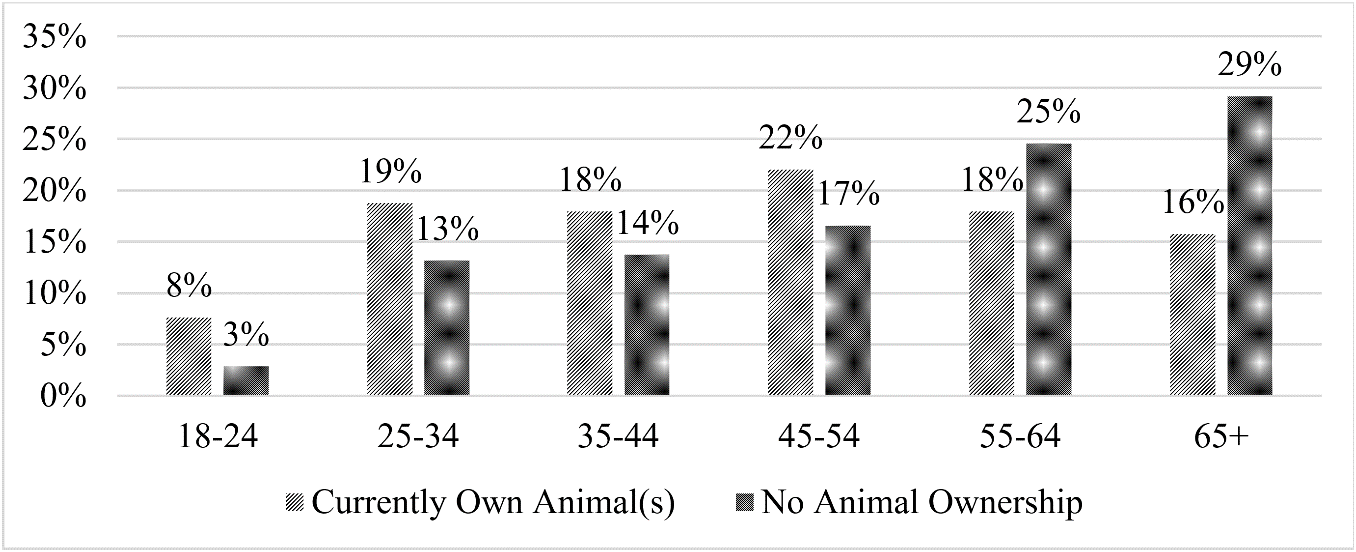
Figure 1. Animal ownership by age of respondent (n=368 own animals, 175 no animal ownership)
To characterize the awareness of One Health, respondents were asked whether they are familiar with the concept of One Health. Respondents were presented with the following statement: According to the Centers for Disease Control and Prevention (CDC), “The One Health concept recognizes that the health of people is connected to the health of animals and the environment. CDC uses a One Health approach by working with physicians, veterinarians, ecologists, and many others to monitor and control public health threats and to learn about how diseases spread among people, animals, and the environment.” Seventy- seven percent of respondents indicated they have never heard of One Health. Sixteen percent indicated they had heard of One Health but were unfamiliar with the meaning. The remaining seven percent indicated they were familiar with the concept of One Health.
Among the numerous occupational roles held by veterinarians, the top five roles respondents associated with veterinarians (when asked to check all that apply) in the United States were caring for pet animals (73%); farm animals, including those entering the food system (57%); animals in shelters and rescue operations (55%); caring for zoo/wildlife/non-domestic animals and aquatic animals and fish residing in aquariums, wildlife sanctuaries, and other parks (55%); and working in private industries providing animal care and conducting research in animal and human health (46%). The occupational roles respondents least associated with veterinarians in the United Sates were working in the National Institutes of Health (NIH) and its National Library of Medicine (18%); the Department of Homeland Security developing disease surveillance and antiterrorism procedures and protocols (18%); the US Air Force Biomedical Science Corps as public health officers (18%); the USDA Food Safety and Inspection Service (FSIS) to ensure safety of the human food supply (20%); and CDC to protect human populations from disease (24%).
The top roles selected overall remained consistent between pet owners and non-pet owners, with only a few differences in ordering. The role of “caring for pets” consistently remained among the top across overall sample and a breakdown across only pet owners, and only non-pet owners subsamples (Table 2). Between the percentages of respondents who are pet owners and non-pet owners, the role with the greatest absolute difference (8% difference between pet owners and non-pet owners, significantly different at p < 10%) was caring for zoo/wildlife/non-domestic animals and aquatic animals and fish residing in aquariums, wildlife sanctuaries, and other parks.
| Today's Role of Veterinarians in the United States | Selected by % of Pet Owners | Selected by % of Non-Pet Owners | Absolute % Difference |
|---|---|---|---|
| Care for zoo/wildlife/non-domestic animals and aquatic animals and fish residing in aquariums, wildlife sanctuaries, and other parks | 57 | 49 | 8* |
| Care for pet animals | 76 | 70 | 5 |
| Work in Centers for Disease Control and Prevention (CDC) to protect human populations from disease | 26 | 21 | 5 |
| Work in animal shelters and rescue operations | 57 | 52 | 5 |
| Work in USDA Animal and Plant Health Inspection Service (APHIS) to monitor the development of vaccines for safety and effectiveness | 36 | 32 | 4 |
| Care for farm animals, including those entering the food system (e.g., cows, pigs, chickens, turkeys, sheep, etc.) | 59 | 55 | 4 |
| Work in the National Institutes of Health (NIH) and its National Library of Medicine | 18 | 15 | 3 |
| Work in the US Air Force Biomedical Science Corps as public health officers | 18 | 15 | 3 |
| Work in private industries providing animal care and conducting research in animal and human health | 46 | 43 | 3 |
| Work in US Army Veterinary Corps providing protection from bioterrorism and care of government-owned animals and their interests | 32 | 34 | 2 |
| Work in USDA Agricultural Research Service (ARS) and the National Institute of Food and Agriculture (NIFA) for research, research administration, and animal care | 30 | 29 | 2 |
| Work in the Environmental Protection Agency (EPA) studying the effects of pesticides, industrial pollutants, and other contaminants on animals and humans | 26 | 27 | 1 |
| Work in the US Food and Drug Administration (FDA), evaluating the safety and efficacy of medicines, medical products, pet foods, and food additives | 29 | 30 | 1 |
| Work in the US Department of Homeland Security developing disease surveillance and antiterrorism procedures and protocols | 18 | 18 | 0 |
| Work in USDA Animal and Plant Health InspectionService (APHIS) for disease surveillance to prevent foreign animal diseases from entering the country | 33 | 33 | 0 |
Note: * denotes statistical significance at 10%. Sample size for pet owners, n=368. Sample size for non-pet owners, n=175.
When respondents were asked about their awareness of the challenges faced by veterinarians and veterinary health professionals, the majority (85%) indicated they were unaware (Figure 2). Only 15 percent indicated they were aware of the occupational challenges, such as financial, mental, and physical stress, facing veterinarians and veterinary health professionals.
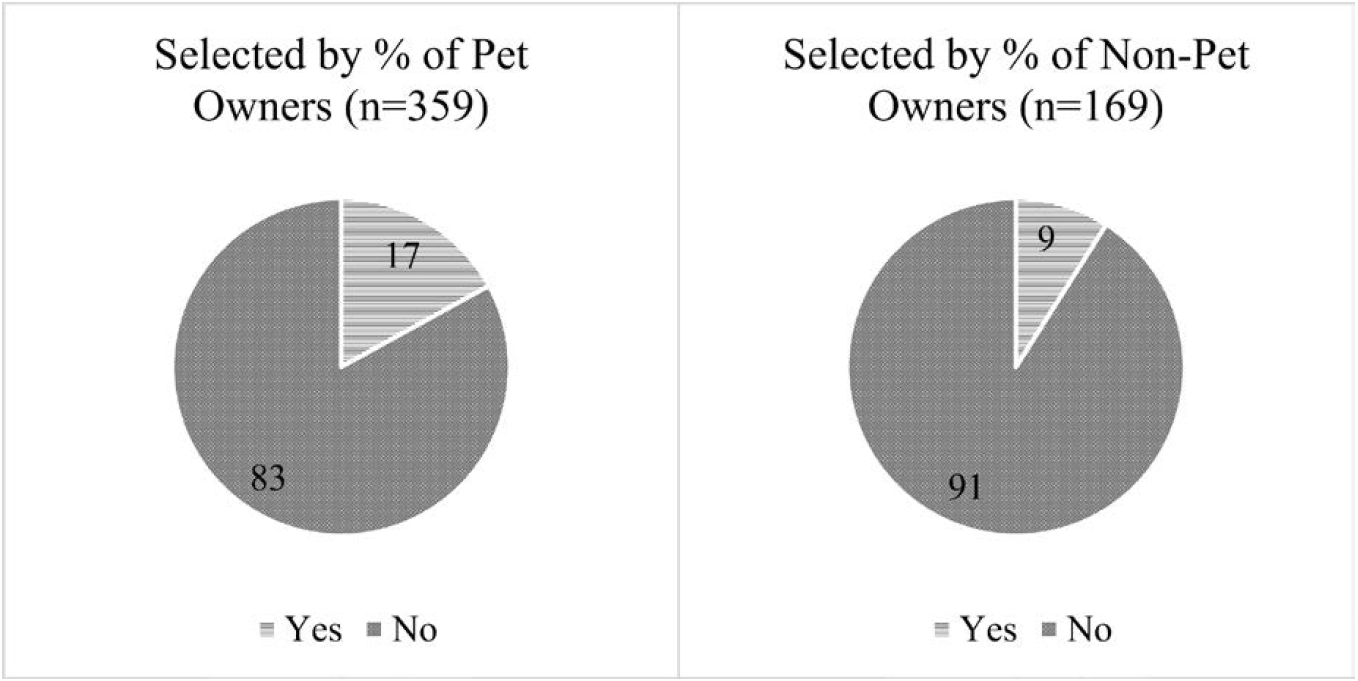
Figure 2. Percentage of respondents aware of news media or other coverage of the occupational challenges faced by veterinarians and veterinary health professionals (n=359 pet owners, 169 non-pet owners)
To examine the level of concern respondents hold in relation to veterinarians, concern was quantitatively measured on Likert scales ranging from ‘not concerned at all’ to ‘extremely concerned.’ Ratings were selected for a series of factors related to debt, mental health, finances, and physical safety. Most respondents indicated they were either not concerned at all or somewhat concerned (herein referred to as low concern) about all factors faced by veterinarians. Seventy-nine percent of respondents expressed low concern for pressures of debt accumulated during training and schooling (the highest frequency measured). Conversely, this meant that only 21 percent of the same respondents indicated they were either somewhat concerned or extremely concerned (herein referred to as high concern) about debt accumulated during training and schooling (the lowest frequency measured). While still ranked in the minority, 34 percent of respondents indicated that the most concerning factor was physical safety associated with caring for large animals, followed closely by mental health associated with euthanasia and palliative (end of life) care (33%).
While most respondents indicated low concern for the factors examined, 83 percent of respondents indicated they were aware of the suicide risk for veterinarians being significantly above the US national average. Furthermore, seven percent of respondents indicated they were aware of the generally elevated suicide risk of veterinarians. The remaining ten percent of respondents indicated they were unaware of any elevated risk for veterinarians.
Discussion
The benefits borne to society by the veterinary profession extend beyond those who interact with, care for, or care about animals. Of note, this survey data collection was targeted to be representative of the US population and was not targeted to survey only pet owners/those interacting directly with veterinarians. Despite not targeting pet owners, 61 percent of respondents were currently pet owners, which was slightly lower than the 67 percent found by the AVMA in 2012 [22].
The idea that human health and animal health are closely linked is not a new concept. The connection between Trichinella Spiralis in swine and human disease was being studied as early as the 1800s, and the term “zoonosis” was coined to indicate a disease that can be passed between people and animals [23]. However, the actual term ‘One Health’ was not officially used until 2004 at a conference organized by the Wildlife Conservation Society [24]. The relative newness of the term ‘One Health’ at the time of the survey administration (15 years), may have contributed to the lack of recognition/knowledge by respondents. With six out of every ten human diseases originating in animals [23], the importance of veterinarians in keeping the human population healthy cannot be understated. Public campaigns may be necessary to increase awareness of the importance of One Health and the roll that veterinarians play in general human health and well-being.
Despite the varied roles that veterinarians play in society, high percentages of the respondents recognized that veterinarians care for pet animals, while few respondents were familiar with other occupational roles. Interestingly, major demographic differences were not found in the recognition of specific veterinary occupational roles. It is possible that the overall universally limited recognition of occupational roles beyond caring for animals contributed to this lack of finding. The media often influences how the public perceives the role of occupations. The impact these portrayals have on perceptions of occupations have been researched for law [25], journalism [26], and crime scene investigation [27]. To the authors’ knowledge, there has been no such undertaking for the veterinary profession. Despite the lack of formal study, veterinarians appear regularly on television programs and in movies. For example, real life depictions of veterinarians in private practice are portrayed in the Animal Planet program “The Vet Life”, while veterinarians at zoos are depicted in programs such as “The Secret Life of the Zoo” and “The Zoo: San Diego” [28]. These depictions often show veterinarians caring for animals, but do not show other roles veterinarians may have, especially surrounding aspects of One Health and food safety. This discrepancy is likely due to the entertainment angle (dramatized medical care and cute animals onscreen) of the popular media. As television and film become more diverse, it is possible that additional occupational depictions of veterinarians will become mainstream. One example of this would be National Geographic’s most watched scripted series ever, The Hot Zone, which was also a best-selling book [29] depicting army veterinary pathologist Nancy Jaax stopping an Ebola crisis in the US [30]. Programs that depict the diverse roles of veterinarians could broaden the public view of the veterinary profession.
Unsurprisingly, a higher percentage of pet owners indicated they were aware of the news and media coverage of challenges faced by veterinarians (including financial, mental health, physical health or other aspects). Pet owners are more likely to have direct contact with veterinarians or to read blogs/articles related to pets or pet care that may mention veterinary occupational challenges. Despite this finding, both pet owners and non-pet owners had low awareness of the challenges faced by veterinarians, and there were no demographic differences in reporting awareness. Although the level of concern was low for all specific categories studied, pet owners seemed more concerned regarding euthanasia, palliative (end of life) care, and physical safety. A recent study reported that while 51 percent of physician respondents would recommend their profession to a friend, only 41 percent of veterinarian respondents would do so [31]. There is increasing attention within the veterinary profession on compassion fatigue, burnout, and other sources of job-related stress impacting the well-being of veterinarians [16,31,32] Tran et al. (2014) found that among Australian veterinarians, overall euthanasia frequency had a linear relationship with depression [33]. End-of-life decisions often require veterinarians to balance the needs of their patients and their human clients, which can lead to psychological distress when these needs are not aligned (Hutton, 2019) [34]. Additionally, human clients often turn to their veterinarians for grief support regarding the loss of a pet when veterinarians are not trained as grief counselors [34] Greater discussion regarding mental health, compassion fatigue, and handling grief may help improve these situations for veterinarians; unfortunately, seeking mental health support is often stigmatized so veterinary health professionals rarely seek mental health counseling services [35,36]. From a physical standpoint, people in the veterinary profession (defined as veterinarians, veterinary technicians, and other veterinary staff) were second only behind nurses in the number of nonfatal injuries in 2016 [37]. These physical risks may be more apparent to non-veterinarians as it is easy to envision the risks, including bites, scratches, and kicks, associated with working with animals both large and small.
Less frequently selected as a concern were the financial issues facing veterinarians, including school/training debt and financial security/compensation. Veterinary tuition ranges from $168,087 to $481,514, depending on the school the student attends and whether or not they are considered a resident of that state [38]. Not every state has a veterinary school, so for some students paying out-of-state tuition is unavoidable. Knippenberg et al. (2015) found that for most segments of veterinary medicine the return on a veterinary education was often low [40]. Despite this evidence of low return, there has not been a rapid decrease in veterinary school attendees [40]. Possible reasons for this include lack of knowledge of the potential return on a veterinary education and other non-monetary personal benefits of becoming a veterinarian [40]. Depending on whether veterinarians own a practice or work for a corporate veterinary clinic/hospital, they may also have to make practice management decisions, including staff pay and the pricing and marketing of veterinary services that directly impact their potential income [41]. There are many online tools available for veterinarians to help with financial decisions, including those by DVM 360 [42] and the AVMA [43] just to name a few. However, as illustrated by our findings, the public is not necessarily aware of the financial issues surrounding veterinary medicine, which may cause conflict if veterinarians feel pressure from clients regarding the cost of procedures.
Most respondents were unaware of the elevated suicide risk for veterinarians, with only slightly more pet owners being aware than non-pet owners. Although there is an elevated risk of death by suicide, a Merck-sponsored study found that only 1.6 percent of veterinarians attempt suicide, which is lower than the national average. This indicates that although the suicide attempt rate is not elevated, there is a higher suicide rate, likely due to access to lethal drugs and physiological knowledge [44]. The unmitigated mental health crisis in veterinary medicine may be exasperated by financial struggles, compassion fatigue, depression, and a poor work-life balance, along with other factors [44]. Another issue faced by veterinarians is the rise of cyber-bullying [45]. Many veterinarians joined the profession due to a love of animals, but their main interactions are often with clients who may be facing their own life stresses [45]. This combination can result in bullying beyond the office visit, where clients may blame a veterinarian for the death of their pets [45]. Due to this elevated risk (one in six veterinarians die by suicide), groups have formed to tackle this prevalent issue among veterinarians, including the group Not One More Vet (NOMV) [46]. The group, which includes over 20,000 veterinarians, provides information, support, mentoring, and resources to help prevent veterinarian suicide [46]. Awareness of the stresses faced by veterinarians may be helpful in decreasing some of the pressures faced by those in the veterinary profession.
Conclusions and Implications
Veterinarians serve important roles in society: helping people care for beloved pets, evaluating food safety, helping in the defense against deadly pathogens, and conducting research that contributes to both human and animal health. Despite the diversity of the profession, the roles veterinarians play beyond caring for the medical needs of animals are relatively unknown by the public. For all occupations other than caring for pets, animals at animal shelters, and zoo animals, less than half of pet owners and non-pet owners alike reported having familiarity with the listed occupational roles. Although caring for animals may be the more forward-facing and obvious role veterinarians play in society, lack of knowledge regarding the One Health initiative, for which many of the less-recognized roles fall under, may be another explanation. As globalization connects people from around the world, the concept of One Health to protect human health becomes increasingly important. The concerns with antibiotic-resistant infections, viral epidemics, and the intersection between human health and the environment, including co-habitation with non-human species, are increasingly challenging and garnering amplified attention in many regions of the world. However, most of the US respondents surveyed did not recognize the role of One Health, which may contribute to the lack of awareness or appreciation for contributions to society by the veterinary profession. Thus, the profession should take steps towards broadening public knowledge (e.g. through media publications) of the many important connections between animal health and human health to increase understanding in the areas highlighted above.
The challenges faced by veterinarians are as diverse as their occupational roles. Overall, respondents had very little concern for or recognition of the challenges faced by the veterinary profession. Financial issues, compassion fatigue, and physical danger all conceivably contribute to the documented elevated suicide risk rate among veterinarians. Although recognition of an elevated suicide risk is low among the surveyed respondents, the veterinary community has begun to offer support and resources to those in need. While a great deal of attention within the profession has been placed on risk reduction for veterinarians shouldering extreme stress, both professional and financial, relatively little attention has been spent in researching the benefits of the profession, particularly for non-pet owning residents/populations. As the veterinary profession grows, the general public should also be made aware of not only the diversity of roles served by veterinarians but also the unique combination of challenges it faces. By broadening this public dialog, veterinarians may help enhance corporation and collaboration with physicians and health and environmental professionals. Future research could evaluate the impact of different methods to increase recognition of the roles played by veterinarians in society.
Funding
This project was funded in part by the Am. Veterinary Medical Association Economics Team. Researchers retained complete autonomy from AVMA during data collection, analysis, and development of the resulting manuscript.
Conflicts of Interest
The authors declare no conflict of interest. The funders had no role in the design of the study; in the collection, analyses, or interpretation of data; in the writing of the manuscript, or in the decision to publish the results.
References
- Hendrix C.M.; McClelland C.L.; Thompson I. A punch list for changing Vet. medicine’s public image in the 21st century. J. of the Am. Vet. Med. Assoc. 2006, 228, 506–510.
- Simmons D. The American Veterinary Medical Association. Council on Education (COE) Accreditation. J. of Vet. Med. Edu. 2004, 31, 92–95.
- Karg M. Designated licensure—the case for speciation within the Vet. degree. J. of the Am. Vet. Med. Assoc. 2000, 217, 1792–1796.
- Black L.S.; Turnwald G.H.; Meldrum J.B. Outcomes assessment in Vet. medical education. J. of Vet. Med. Edu. 2002, 29, 28–31.
- Dale V.H.; Sullivan M.; May S.A. Adult learning in Vet. education: theory to practice. J. of Vet. Med. Edu. 2008, 35, 581–588.
- Kessler K.R. Veterinary medicine--the public’s opinion--views from a professional organization. The Canadian Vet. J. 1976, 17, 226.
- Larson R.L. Food animal Vet. medicine: leading a changing profession. J. of Vet. Med. Edu. 2004, 31, 341–346.
- AVMA. What is Food Supply Veterinary Medicine (FSVM). Available online: https://www.avma.org/KB/Resources/Reference/Pages/Food-Supply-Vet.-Medicine-what-is-it.aspx (accessed on October 29, 2019).
- Enticott G.; Donaldson A.; Lowe P. The changing role of veterinary expertise in the food chain. Philosophical Transactions of the Royal Society B. Biological Scie. 2011, 366, 1955–1965.
- Miller A. Veterinary Services in the US. IBIS World 2019, 34.
- Rife L. Med Beat: Not all is warm and fuzzy for veterinarians. Roanoke Times. Available online: https://www.roanoke.com/business/med-beat-not-all-is-warm-and-fuzzy-for-veterinarians/article_646e56e1-d526-575f-b7c2-345bca57e245.html (accessed on October 30, 2019).
- Tomasi S.E.; Fechter-Leggett E.D.; Edwards N.T. Suicide among veterinarians in the United States from 1979 through 2015. J. of the Am. Vet. Med. Assoc. 2018, 254, 104–112.
- Charlton J. Trends and patterns in suicide in England and Wales. Int. J. of Epidemiology 1995, 24, S45– S52.
- Mellanby R.J. Incidence of suicide in the Vet. profession in England and Wales. British Medical Journal Publishing Group; 2005.
- Roberts S.E.; Jaremin B.; Lloyd K. High-risk occupations for suicide. Psychological Med. 2013, 43, 1231– 1240.
- Nett R.J.; Witte T.K.; Holzbauer S.M. Risk factors for suicide, attitudes toward mental illness, and practice-related stressors among US veterinarians. J. of the Am. Vet. Med. Assoc. 2015, 247, 945– 955.
- Jones-Fairnie H.; Ferroni P.; Silburn S. Suicide in Australian veterinarians. Australian Vet. J. 2008, 86, 114–116.
- Blair A.; Hayes Jr H.M. Cancer and other causes of death among US veterinarians, 1966–1977. Int. J. of Cancer 1980, 25,181–185.
- Miller J.M.; Beaumont J.J. Suicide, cancer, and other causes of death among California veterinarians, 1960-1992. Am. J. of Industrial Med. 1995, 27, 37–49.
- Gardner D.H.; Hini D. Work-related stress in the veterinary profession in New Zealand. New Zealand Vet. J. 2006, 54, 119–124.
- US Census Bureau. 2016 Data Release New and Notable. The United States Census Bureau. Available online: https://www.census.gov/programs-surveys/acs/news/data-releases/2016/release.html (accessed on August 24, 2019).
- Anon. U.S. pet ownership statistics. American Veterinary. Medical Association. Available online: https://www.avma.org/resources-tools/reports-statistics/us-pet-ownership-statistics (accessed on January 18, 2020).
- Anon. History | One Health | CDC. 2018. Available online: https://www.cdc.gov/onehealth/basics/history/index.html (accessed on January 18, 2020).
- Gibbs E.P.J. The evolution of One Health: a decade of progress and challenges for the future. Vet. Record 2014, 174, 85–91
- Salzmann V.S.; Dunwoody P.T. Prime-time lies: Do portrayals of lawyers influence how people think about the legal profession. SMUL Rev. 2005, 58,411.
- Ehrlich M.C. Journalism in the Movies. University of Illinois Press. 2010.
- Podlas K. The CSE Effect: Exposing the Media Myth. Fordham Intell Prop Media & Ent LJ 2005, 16, 429. 28
- Anon. Animal Planet. Available at: https://www.animalplanet.com/tv-shows/ (accessed on January 18, 2020).
- Petski D. ‘The Hot Zone’: Ebola Virus Drama Series Draws Record Ratings For National Geographic. Deadline 2019. Available at: https://deadline.com/2019/06/the-hot-zone-ebola-virus-drama-series-ratings-national-geographic-1202627421/ (accessed on January 18, 2020).
- Latzke J.; Scott K. ‘The Hot Zone’ brings Kansas veterinarians to the screen. High Plains J. Available online: https://www.hpj.com/ag_news/the-hot-zone-brings-kansas-veterinarians-to-the-screen/article_a655317e-8958-11e9-95b5-73d71aece507.html (accessed on January 18, 2020).
- Volk J.O.; Schimmack U.; Strand E.B.; Executive summary of the Merck Animal Health Veterinary wellbeing study. J. of the Am. Vet. Medical Assoc. 2018, 252, 1231–1238.
- Dicks M.; Bain B. Chipping away of the soul: New data on compassion fatigue—and compassion satisfaction—in veterinary medicine. dvm360.com. Available online: http://Vet.news.dvm360.com/chipping-away-soul-new-data-compassion-fatigue-and-compassion-satisfaction-Vet.-medicine (accessed on December 5, 2019).
- Tran L.; Crane M.F.; Phillips J.K. The distinct role of performing euthanasia on depression and suicide in veterinarians. J. of Occupational Health Psychol. 2014, 19,123.
- Hutton V.E. Animal euthanasia–empathic care or empathic distress? Vet. Record 2019, 185,477–479.
- Cardwell J.; Lewis E.; Smith K. A cross-sectional study of mental health in UK Vet. undergraduates. Vet. Record 2013, vetrec-2012.
- Bartram D.; Sinclair J.; Baldwin D. Interventions with potential to improve the mental health and wellbeing of UK veterinary surgeons. Vet. Record 2010, 166, 518–523.
- Cima G.; Larkin M. Hurt at work. American Veterinary Medical Association 2018. Available online: https://www.avma.org/javma-news/2018-11-01/hurt-work (accessed on January 18, 2020).
- AAVMC. Exploring the Cost of a Vet. Medical Education. AAVMC. Available online: https://www.aavmc.org/students-applicants-and-advisors/exploring-the-cost-of-a-Vet.-medical-education.aspx (accessed on January 18, 2020).
- AVMA. Student Financial Resources. American Veterinary Medical Association 2017. Available online: https://www.avma.org/membership/SAVMA/financing-your-Vet.-medical-education (accessed on January 18, 2020).
- Knippenberg R.; Dicks M.R.; Bain B. Estimating the financial return on a veterinary education. J. of the Am. Vet. Med. Assoc. 2015, 246, 422–424.
- Kramer M.H. Here’s a Look at the Pros and Cons of Corporate Vet. Work. The Balance Careers 2019. Available online: https://www.thebalancecareers.com/pros-and-cons-of-working-at-a-corporate-vet-clinic-125562 (accessed on January 18, 2020).
- Anon. Practice Finance | DVM 360. Available online: https://www.dvm360.com/business/practice-finances (accessed on January 18, 2020)
- AVMA. Managing personal finances. American Veterinary Medical Association. Available online: https://www.avma.org/resources-tools/personal-finance (accessed on January 18, 2020.
- Niedziela K. CDC reports elevated suicide rates among veterinarians. Today’s Veterinary Business 2018. Available online: https://todaysVet.business.com/cdc-reports-elevated-suicide-rates-for-veterinarians/ (accessed on January 18, 2020).
- Simon S. Veterinarians Are Killing Themselves. An Online Group Is There To Listen And Help. NPR.org 2019. Available online: https://www.npr.org/2019/09/07/757822004/veterinarians-are-killing-themselves-an-online-group-is-there-to-listen-and-help (accessed on January 18, 2020).
- NOMV. Not One More Vet. Not One More Vet. Available online: https://www.nomv.org/ (accessed on January 18, 2020).
