
Faculty & Staff
‘Purdue Pursuits’: A PVM angle on Purdue’s teaching and learning reading groups
September 4, 2026
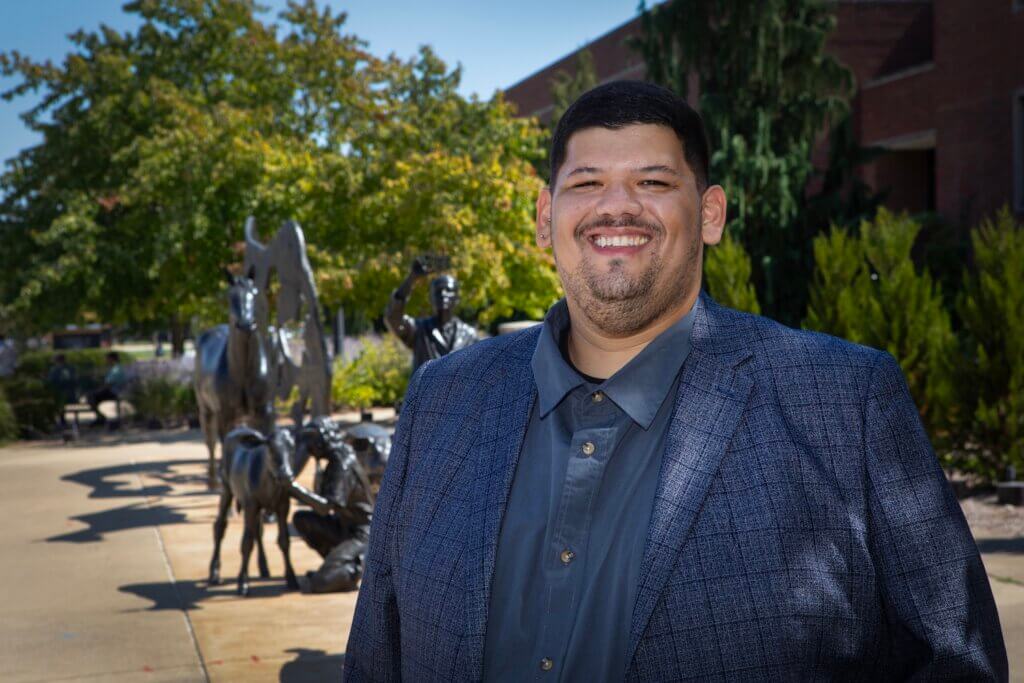
Crafting meaningful and engaging course experiences has been at the top of Dielson Vieira’s mind ever since he joined the Purdue University College of Veterinary Medicine’s faculty in 2024.
As a clinical assistant professor in the Department of Basic Medical Sciences, Vieira is already adept at applying innovative teaching practices to classroom environments, but that doesn’t stop him from seeking out new ideas, approaches and perspectives — insights he gains through outlets like Purdue’s teaching and learning reading groups.
Top tier biology journal publishes PVM study that unlocks secrets of a drug-resistant fungal pathogen, which causes serious infections in humans
September 4, 2026
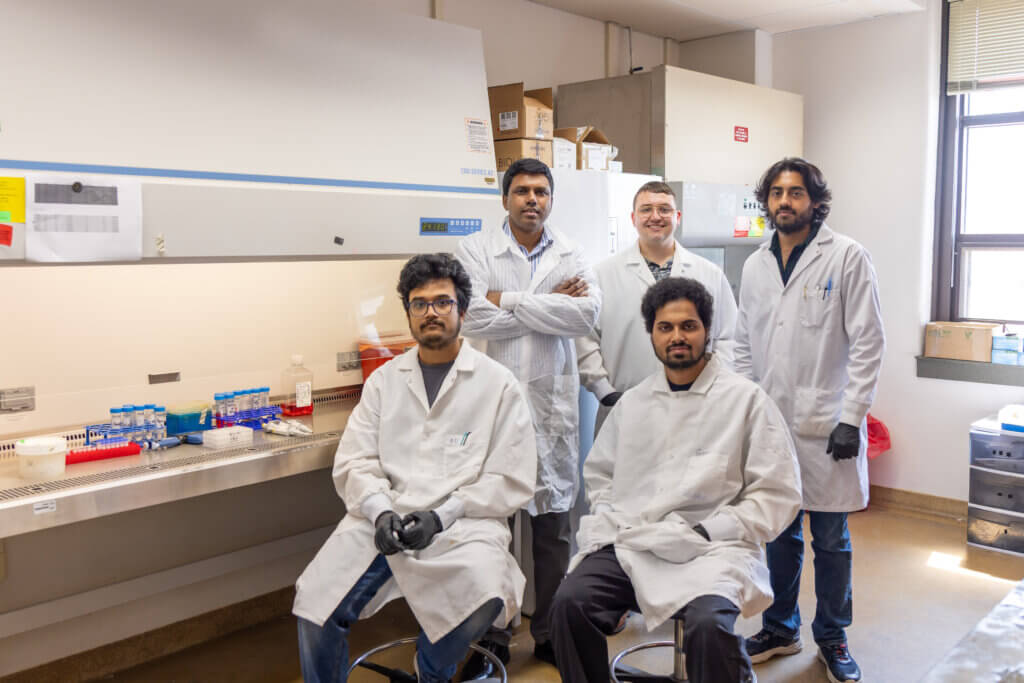
Though the name “Candida auris” is far from a household term, public health experts know it well because the multi-drug-resistant fungal pathogen, which causes serious human infections, has been classified as an urgent threat by the U.S. Centers for Disease Control and Prevention (CDC) Antibiotic Threats Report (2019). Dr. Shankar Thangamani, Associate Professor of Microbiology and University Faculty Scholar in the Purdue University College of Veterinary Medicine’s Department of Comparative Pathobiology, is researching C. auris, aided by a 2.4 million grant from the National Institutes of Health (NIH). New research findings, just published in Nature Microbiology, show how C. auris adapts and evades the immune system.

In Print: ‘Translational Research Methods for Tauopathies’
September 4, 2026
A just-published 300-page volume edited by Jessica Fortin, Purdue assistant professor in the College of Veterinary Medicine’s Department of Basic Medical Sciences, provides a significant new resource for researchers studying a group of neurodegenerative diseases known as tauopathies. “Translational Research Methods for Tauopathies” provides detailed protocols intentionally selected to serve as a basis for research laboratories seeking to further treatments for such debilitating neurodegenerative diseases as Alzheimer’s and chronic traumatic encephalopathy (CTE).
Taco ’bout our amazing people!
August 21, 2026
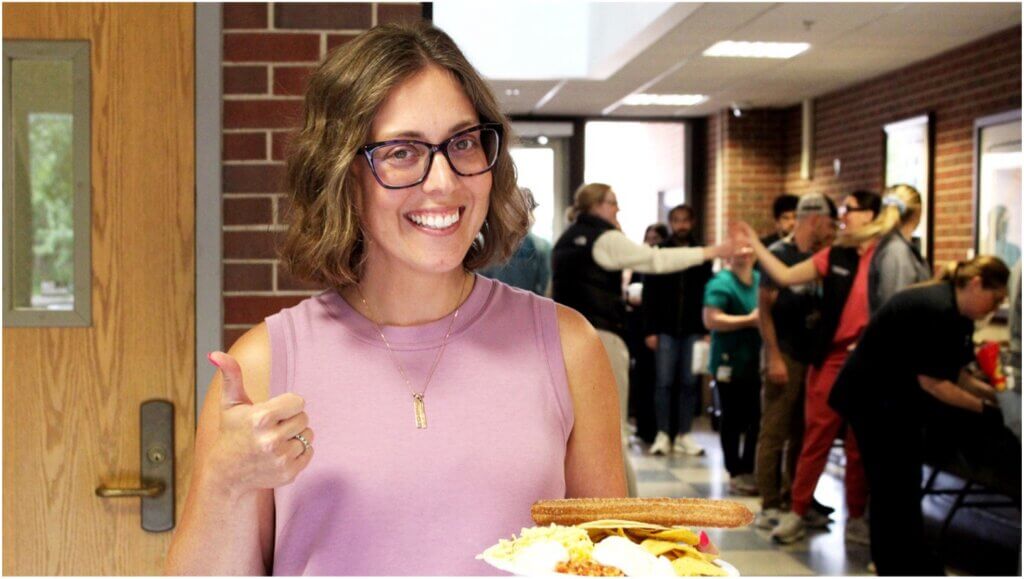
With the conclusion of the summer season rapidly approaching, faculty and staff at the Purdue University College of Veterinary Medicine were treated to a taco luncheon on Friday, August 14 in appreciation of their excellence and dedication throughout the year. Though the event couldn’t take place in the Lynn Hall Courtyard as originally planned, the rainy weather that day did not dampen the celebration of the college’s incredible faculty and staff.
ADDL and CPB Department welcome new pathology residents and intern
August 21, 2026
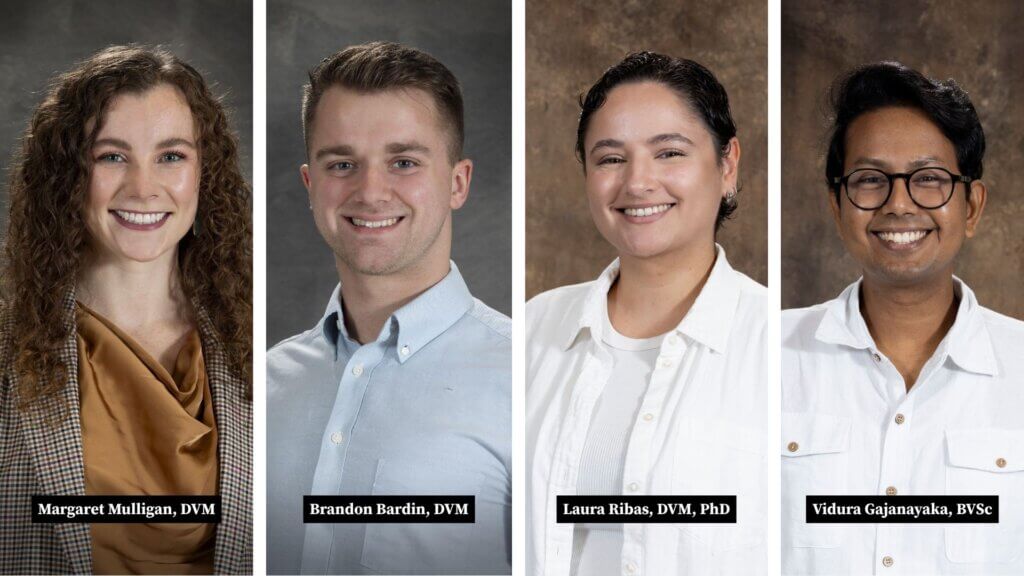
A trio of veterinary graduates started their pathology residencies at Purdue Veterinary Medicine this summer while a fourth veterinarian began a pathology internship in the Department of Comparative Pathobiology. This newest class of students pursuing post-DVM training in pathology includes Purdue veterinary alumni and graduates of universities abroad.
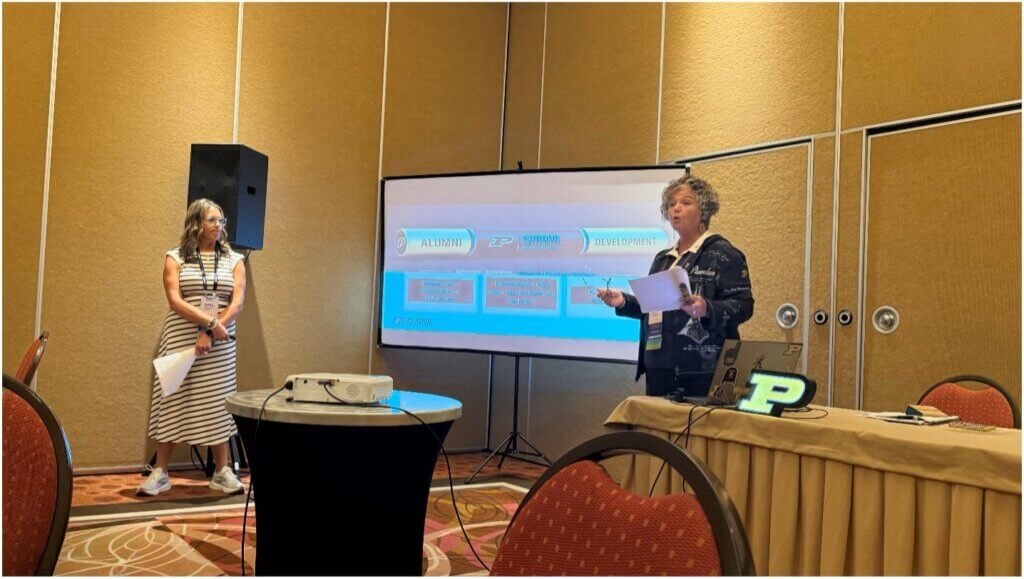
PVM Team Shares Collaborative Approach at National Advancement Conference
August 21, 2026
When alumni and donors choose to invest their time, talents, and resources in the Purdue University College of Veterinary Medicine, they typically are not focusing on departments or organizational charts—they’re thinking about the college they love.
That simple idea was the foundation of a presentation delivered by Julia Wickard, executive director of the Purdue Veterinary Alumni Association and constituent liaison, and April Shepherd, PVM’s senior director of development, at the Association of Veterinary Advancement Professionals (AVAP) Annual Meeting, which was held July 8-10, just prior to the American Veterinary Medical Association (AVMA) Annual Convention in Anaheim, California.

“Paws Up” for Lanora Lannan – brought to you by the PVM Wellness Committee
August 21, 2026
This week we are happy to highlight Lanora Lannan, who is the client liaison for Small Animal Primary Care.

American Board of Veterinary Toxicology Honors Purdue Professor and ADDL Senior Veterinary Toxicologist Steve Hooser
August 7, 2026
Dr. Steve Hooser, DVM, PhD, DABVT, professor of veterinary toxicology at the Purdue University College of Veterinary Medicine and senior veterinary toxicologist for the Indiana Animal Disease Diagnostic Laboratory (ADDL), has received the American Board of Veterinary Toxicology’s (ABVT) 2026 Service Award. Given in recognition of a career that has shaped the field of veterinary toxicology for more than four decades, the award was announced July 13 at the ABVT Annual Business meeting held in Anaheim, California, in conjunction with the AVMA Convention 2026.
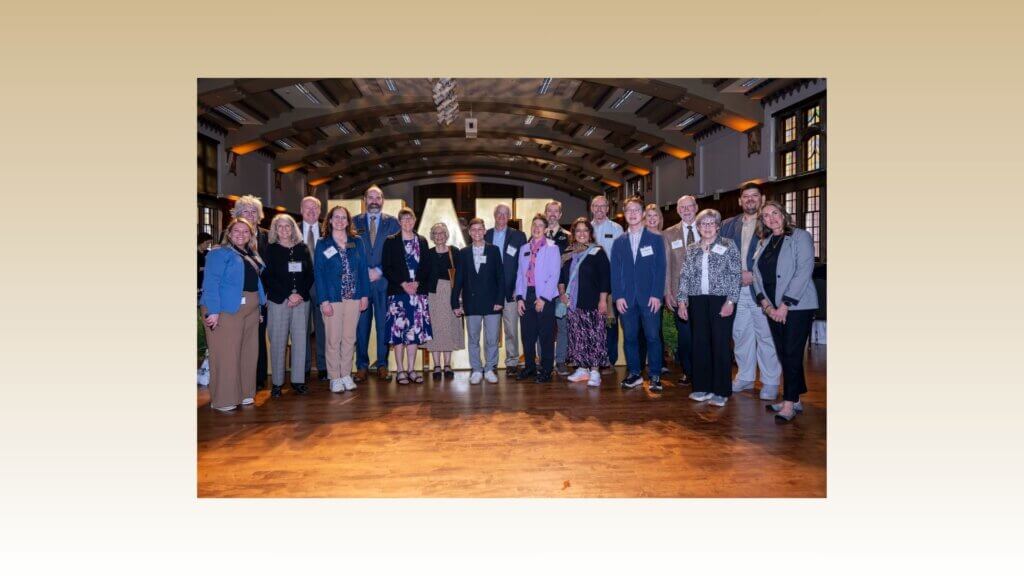
PVM Faculty Recognized at Purdue University Honors Ceremony and Celebration
July 29, 2026
Several Purdue Veterinary Medicine faculty were among the honorees introduced when Purdue University leaders recognized outstanding faculty members and announced the 2026 winners of premier university awards during the Office of the Provost’s annual spring Faculty Honors Ceremony and Celebration. The program on May 6 in the Purdue Memorial Union ballrooms included the presentation of the prestigious Morrill Award and Charles B. Murphy Award, both of which were won by PVM professors.
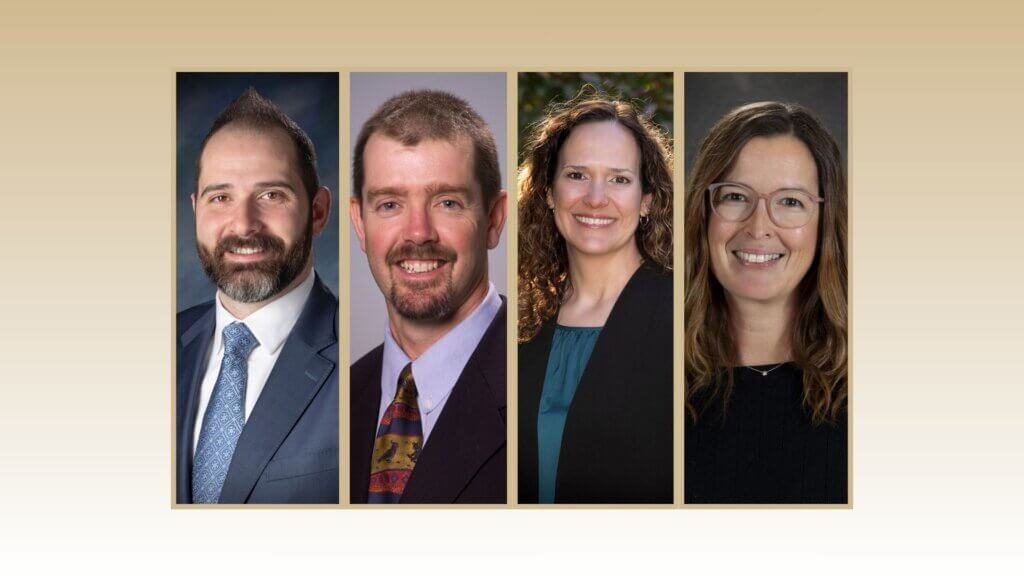
Taking the Reins – Administrative Appointments Ensure Leadership Continuity
July 29, 2026
As the Purdue University College of Veterinary Medicine’s leadership Cabinet carries out its oversight of departments and units, Dean Bret Marsh announced three appointments since the end of 2025 to further solidify the leadership team. The appointments include positions in the Departments of Comparative Pathobiology and Veterinary Clinical Sciences and the Purdue University Veterinary Hospital.
