

Rehoming
Welfare of Dogs in Commercial Breeding Kennels
Related Studies
Evaluation of Genetic and Physiological Metrics of Stress and Welfare Experienced by Dogs from Commercial Breeding Kennels Before, During and After Rehoming
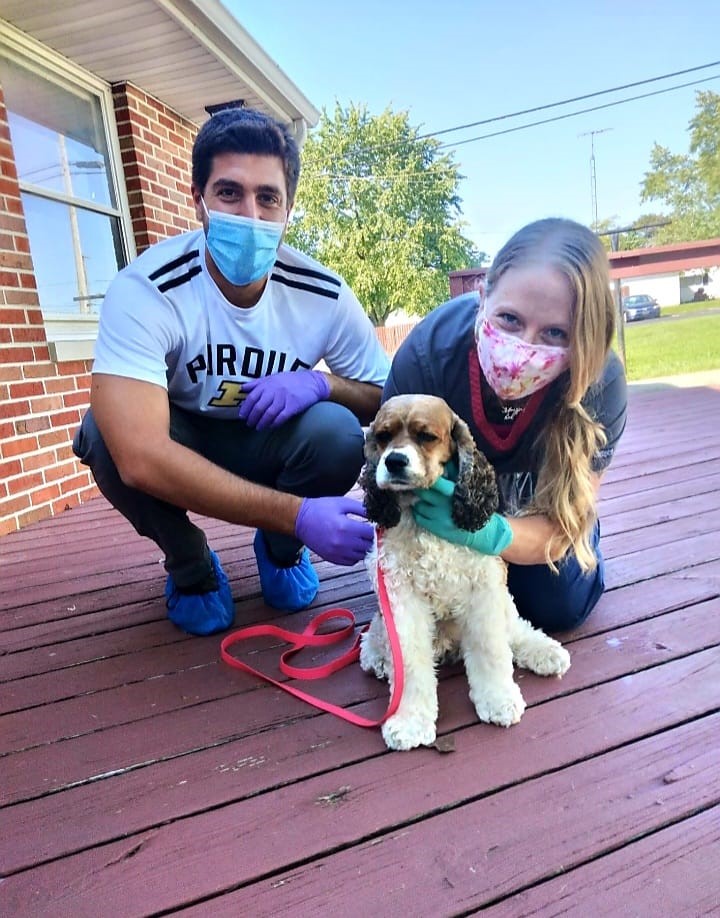
Rehoming of dogs from commercial breeding kennels requires study and careful planning to avoid creating problems. It is important to properly transition dogs from the kennel environment to retirement, to identify and prepare those assessed to be viable rehoming candidates, increase the number of adoptable dogs, and plan appropriately for retirees who are unlikely to be successfully rehomed.
In an effort to understand lifetime stress in dogs maintained in commercial breeding kennels and stress associated with transitioning to new family homes, a longitudinal study is currently ongoing to help investigate whether associations exist between genetic, behavioral, and physiological metrics. This will ultimately determine which of these markers may yield the most useful information for long and short-term assessments of canine stress and welfare in breeding kennels during and after rehoming.
Project Leaders: Candace Croney (PI), Kari Ekenstedt, Shanis Barnard, Traci Shreyer, Aitor Arrazola
Funding Source: Life of Riley at Spring Point
Related Publications:
- Heritability and genome-wide association study of dog behavioral phenotypes in a commercial breeding cohort
- Management and behavioral factors associated with rehoming outcomes of dogs retired from commercial breeding kennels
- Attachment style and social behavior in dogs from commercial breeding kennels
Behavioral Wellness Considerations in Breeding Dog Retirement and Rehoming

Objective, science-based information is needed to establish best practices for transitioning dogs out of their breeding careers and to minimize risks of poor rehoming outcomes. This study aims to develop physical and behavioral well-being criteria for rehoming candidates, identify breeder practices that facilitate or make transitioning to rehoming risky, and develop a breeder education program emphasizing behavioral well-being, self-assessment and appropriate planning for all phases of a breeding dog's life with emphasis on preparing retired breeding dogs for success outside of the kennel environment.
Project Leaders: Candace Croney (PI), Judith Stella, Amy Bauer
Funding Source: The Stanton Foundation
Findings:
- Assessed the behavior of dogs for risk of transition problems during rehoming using a 4-step stranger approach test. Based on the results of this test, 41.7% of the dogs assessed were at risk.
- Physical health metrics including nasal and ocular discharge, sneezing, coughing, wounds, sores and lameness were collected with few adverse severe health conditions identified. Most common findings were ocular discharge (32.5% of dogs) and tear staining (27.9% of dogs).
- The majority of dogs assessed were found to be clean.
Related Publications:
