
Veterinary Medicine: Working with People Instead of Animals
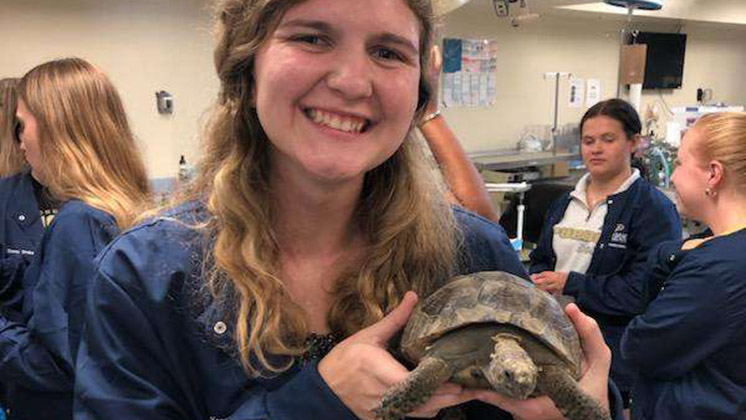


by Kelsey Wirt, MS, LVT and Josh L. Clark, MS, RVT
Veterinary technicians/nurses are often perceived as professionals who primarily interact with animals, providing medical care under the supervision of a veterinarian. While their roles do involve a significant amount of direct animal care, there's a substantial human element to their job that is sometimes overlooked. This article highlights the importance of people and communication skills in the veterinary technology profession, underscoring that excellence in the field requires much more than just a love for animals.
Understanding the Role of Communication
One of the primary responsibilities of veterinary technicians is to act as a bridge between veterinarians and pet owners. Vet techs must be able to educate clients regarding their pet’s medical needs in a way that is easy to understand by those without a medical background. This not only involves explaining diagnoses, procedures, and medications but also providing comfort and reassurance to worried pet owners.
Empathy and Compassion
Dealing with sick or injured animals can be an emotionally charged situation for pet owners. Veterinary technicians must be able to read the emotional states of the pet owners they interact with, providing support and understanding during stressful times. This emotional labor is a crucial part of the job, requiring vet techs to manage their own feelings while offering empathy to others.
Teamwork and Collaboration
Veterinary technicians work closely with veterinarians and other veterinary staff in a fast-paced environment. This demands excellent teamwork and collaboration skills, as they must effectively communicate and coordinate with others to ensure the best possible care for the animals. Teams are often made up of a variety of personalities that may clash, so learning how to work well with others is an indispensable skill for a vet tech.
Conflict Resolution
Not every interaction in a veterinary setting is straightforward or positive. Veterinary technicians may encounter situations where they have to manage conflicts or handle difficult conversations, whether it's about a disagreement with a coworker, financial concerns, treatment options, or dealing with the loss of a pet. The ability to navigate these conversations tactfully and find solutions that respect the needs and feelings of all parties involved is a critical skill for any vet tech.
Professional Development
The field of veterinary medicine is always evolving, with new treatments and technologies constantly emerging. Vet techs must be committed to continuous learning. Even if you’ve worked in the field for many years, there is always more to learn. This involves obtaining continuing education in veterinary related skills and overall professionalism such as leadership, management, and communication.
While many people enter the field because they love animals, the role of a vet tech is deeply intertwined with human interactions. It is the combination of these people skills with technical veterinary knowledge that makes veterinary technicians integral to the animal care profession. Their role is not just about providing medical care to animals but also about supporting and educating pet owners.
Start Your Veterinary Technician Journey
Find your calling as a Purdue Veterinary Technician!
Not quite ready to apply? Connect with us to learn more.
Suggested Articles
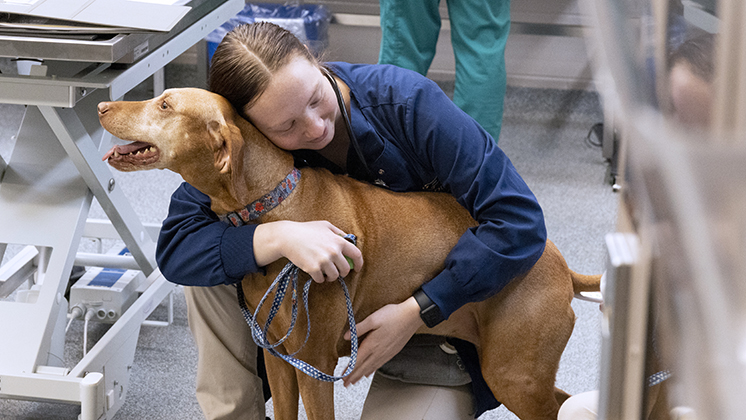
Comprehensive Guide to Vet Tech
Learn what a veterinary technician does, how to become one, career paths, challenges, salary outlook, and future trends in vet tech.
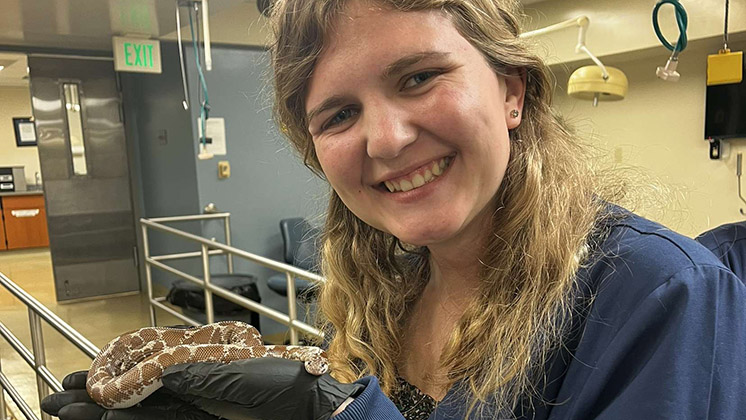
What Certifications Can I Get as a Vet Tech/Nurse?
Explore certifications for veterinary technicians/nurses, including VTS, Fear Free, rehabilitation, CVPP, CVPM, and RECOVER CPR. Learn more.
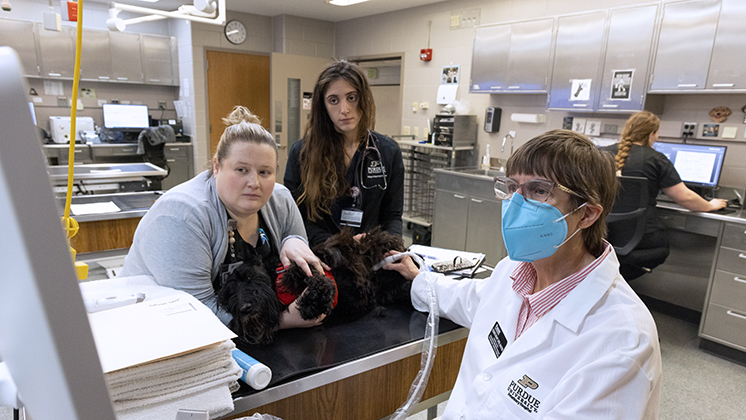
What is an Accredited Vet Tech Program?
Learn what AVMA accreditation means for veterinary technology programs, why it matters, and how to find accredited options, including Purdue.
