
Virtual Learning Cafés to Foster Critical Conversations in Diversity

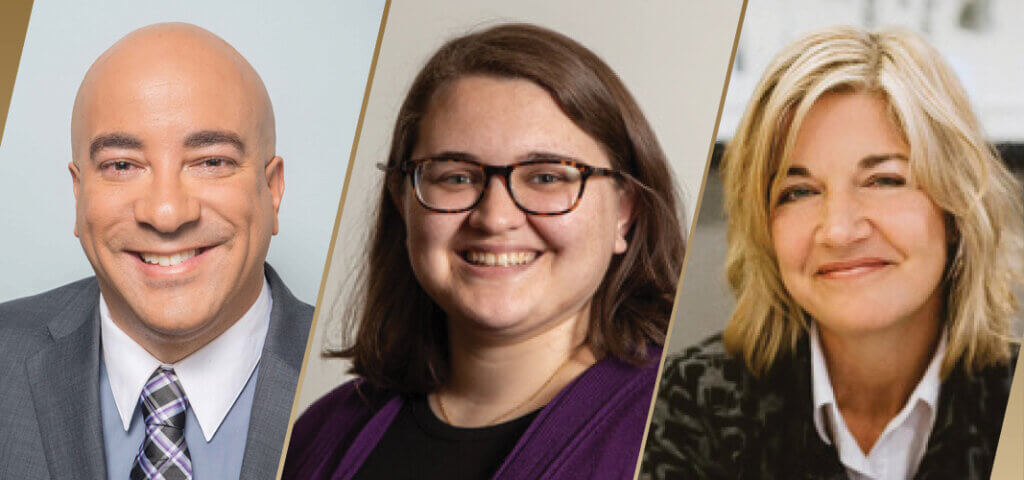
Portrait banner of Dr. Campbell, Kelsey and Regina
The Purdue Veterinary Medicine Office of Diversity, Equity, and Inclusion once again is offering the Virtual Learning Café series featuring (left-right) Dr. Mel Campbell, Kelsey Chapman, and Regina Carey.

The Purdue Veterinary Medicine Office of Diversity, Equity, and Inclusion once again is offering the Virtual Learning Café series this fall, with topics designed to facilitate discussion with the intent to enlighten, encourage, and inspire people to get engaged. The interactive online sessions also are intended to provide opportunities for college faculty, staff, and students to network, dialogue, and enhance intercultural competency skills. The Virtual Learning Café schedule this semester will include a variety of discussions held monthly from 12:30 – 1:20 p.m. Links to the online discussions will be provided to those who register. Up to 25 registrants attending each virtual café will be eligible to receive a book after the session. 

The first talk, entitled “Building the Skills of Emotional Intelligence,” is scheduled for Wednesday, September 25, and will feature a presentation by Dr. Mel Campbell, psychologist, motivational speaker, and author. Dr. Campbell combines theories of motivation and psychology to help others learn how to improve customer services, sales, and communication skills.

The next café will take place on Wednesday, October 18, and features Kelsey Chapman, assistant director of the Purdue University LGBTQ Center, who will speak about “Best Practices for LGBTQ Inclusion.” Kelsey has over five years of experience in LGBTQ student affairs, with specializations in educational programming and support services. As a cultural competencies training facilitator, she has trained Purdue students, staff, faculty, and Greater Lafayette community members on intersectional and inclusive allyship to the LGBTQIA+ community.

The final café for the fall semester entitled, “Neurodiversity,” is scheduled for Friday, November 10 with Regina Carey, impact coach and passion instigator. Regina teaches people how to take action in their lives by slowing down to speed up. Regina advises that, especially for professionals with Invisible Disabilities (ADD, learning disabilities, anxiety, dyslexia, and chronic health issues), life moves fast and the stressors can add up quickly creating difficult obstacles to overcome. The goal of her work is to help people who have found themselves in an overwhelming and stressful lifestyle move forward by paying close attention to language, and letting go of worry.

Click here to register for the upcoming Virtual Learning Cafés.

Writer(s): Allison Gardner | pvmnews@purdue.edu

Recent Stories

Purdue Veterinary Medicine Welcomes New Clinical Residents and Specialty Intern

A new class of clinical residents arrived this summer at the Purdue University College of Veterinary Medicine to begin their specialty training. On July 16, 2026, the Department of Veterinary Clinical Sciences (VCS) held a welcome breakfast to introduce the new VCS residents to faculty and staff. The breakfast provided the opportunity for the new residents and a new specialty intern in neurology to meet current VCS residents, as well as the faculty and staff they will be working closely with during their time at Purdue.

American Board of Veterinary Toxicology Honors Purdue Professor and ADDL Senior Veterinary Toxicologist Steve Hooser

Dr. Steve Hooser, DVM, PhD, DABVT, professor of veterinary toxicology at the Purdue University College of Veterinary Medicine and senior veterinary toxicologist for the Indiana Animal Disease Diagnostic Laboratory (ADDL), has received the American Board of Veterinary Toxicology's (ABVT) 2026 Service Award.  Given in recognition of a career that has shaped the field of veterinary toxicology for more than four decades, the award was announced July 13 at the ABVT Annual Business meeting held in Anaheim, California, in conjunction with the AVMA Convention 2026.

New Class of Veterinary Hospital Interns and Pharmacy Resident Welcomed to PVM

A total of 13 new interns and a new veterinary pharmacy resident began their advanced training in the Purdue University Veterinary Hospital this summer. The group of interns includes nine veterinarians who are completing a small animal rotating internship and four who are doing a large animal rotating internship. In addition, a pharmacy school graduate began the one year Wasson Veterinary Pharmacy Residency program, which is jointly offered by the Purdue Colleges of Veterinary Medicine and Pharmacy.

“Paws Up” for Lilia Beal-Preston and Mikey Galvin – brought to you by the PVM Wellness Committee

This week, we’re proud to recognize DVM students Lilia Beal-Preston and Mikey Galvin, who received a Paws Up recognition from a client after caring for the client's dog at the Purdue University Veterinary Hospital.

“Paws Up” for Jennifer Danaher – brought to you by the PVM Wellness Committee

Today we are congratulating Jennifer Danaher, who is a department secretary for Veterinary Clinical Sciences, for being recognized as a helpful colleague in our college.

Boo the Miracle Dog: A Story of Bravery, Breakthroughs, and a Bond That Inspires

Our series of articles about animals and their owners who've found help and healing at the Purdue University Veterinary Hospital continues with the story of "miracle dog" Boo Davis. At 13 years old, Boo Davis is living proof of the power of persistence, expert veterinary care, and the unshakable love between a pet and her person. Affectionately known as Lisa’s “miracle dog,” Boo’s journey is one that not only has extended her life, but also has helped shape the future of cancer treatment for other pets, too.

Placating Pets to Help them COPE this Fourth of July

Despite the excellent tips experts provide each year for pet safety and welfare on the 4th of July, many pet families still run into trouble and lose their pets. What are we missing and how can we even better protect our animal companions? That question is answered in an article by Dr. Candace Croney, director of the Center for Animal Welfare Science.