
New Faculty Member Joins Comparative Pathobiology Department and Reed ADDL
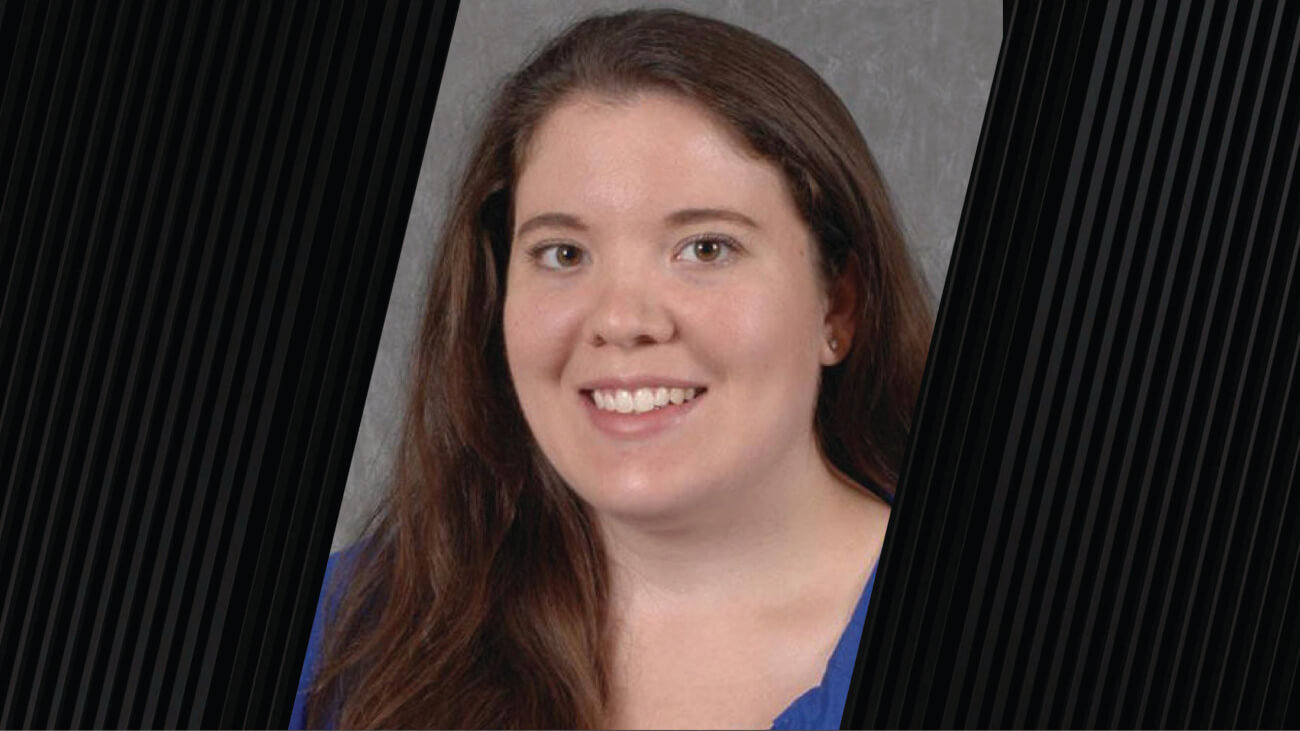
Dr. Rachel Soltys

The College of Veterinary Medicine’s Department of Comparative Pathobiology recently welcomed Dr. Rachel Soltys as clinical assistant professor of diagnostic microbiology. Dr. Soltys, who started January 20, also serves as section head of Bacteriology in the Willie M. Reed Animal Disease Diagnostic Laboratory (ADDL).

Dr. Soltys grew up in Southern Ohio and earned her DVM degree at The Ohio State University (OSU) before accepting the role of Infection Control Fellow for OSU’s Veterinary Medical Center where she helped develop a veterinary-specific antimicrobial stewardship program. She then continued her education at the Washington State University College of Veterinary Medicine, earning her PhD in Veterinary Sciences (Immunology and Infectious Disease) and completing a residency in Veterinary Clinical Microbiology.

Dr. Soltys next worked as a lecturer and consultant clinical microbiologist at the Washington Animal Disease Diagnostic Laboratory, and later served as the microbiology section head at the Arizona Veterinary Diagnostic Laboratory. Her areas of interest include antimicrobial resistance, responsible antimicrobial use, and zoonotic and foodborne diseases.

In her new role as head of the Reed ADDL’s Bacteriology and Mycology section, Dr. Soltys oversees daily diagnostic testing, new test development, and process improvement. She also provides consultations for clients including veterinarians, producers, and owners. Additionally, Dr. Soltys teaches DVM students and veterinary nursing students, trains residents and graduate students, and participates in collaborative research.

Outside of work, Dr. Soltys enjoys the company of her cat, Arwen, and having time for her hobbies that include reading, hiking, and baking bread.

Welcome, Dr. Soltys!

Writer(s): Nathan Dell, Kevin Doerr | pvmnews@purdue.edu

Recent Stories

Purdue Veterinary Medicine Launches Pet Care App for Apple Platforms

As part of a partnership with Purdue University’s Spatial Computing Hub, the College of Veterinary Medicine launched Purdue Vet Med (PVM) Pro Tips for companion animal owners. The app, which is available for Apple Vision Pro, iPad and iPhone, offers step-by-step tutorials for providing at-home care to cats, dogs, horses and birds.

Registration Now Open for 2026 Purdue Veterinary Conference

Purdue Veterinary Medicine is preparing to host the 2026 Purdue Veterinary Conference September 23–26 on Purdue’s West Lafayette campus, and registration is now open.  The annual event brings together veterinary professionals, educators, students, and industry partners for a week focused on continuing education, collaboration, and practical learning.

“Paws Up” for Dr. Makensie Anderson – brought to you by the PVM Wellness Committee

This week, our DVM students took the opportunity to recognize a Purdue Veterinary Hospital resident who has made a meaningful impact on their learning experience this year.

PVM Global Engagement Director Receives Outstanding Leadership in Globalization Award

Purdue’s College of Veterinary Medicine is making strides far beyond the state of Indiana, thanks in large part to the tremendous efforts of Addison Sheldon, the college’s director of global engagement. Sheldon is a Purdue graduate who joined the PVM Office of Engagement in April of 2021. His contributions were recognized recently when he was selected, along with three other Purdue staff and faculty members, by the university’s Global Academic Committee to receive the 2025 Outstanding Leadership in Globalization Award.

Ruby’s Road to Stability: Purdue Veterinary Hospital Provides Collaborative Approach to Complex Care

Today we continue a series of articles about animals and their owners who’ve found help and healing at the Purdue University Veterinary Hospital as we share the story of a dog named Ruby.

How do landscape architects design spaces for animals?

With help from the Purdue Veterinary Hospital, a graduating senior in the Purdue College of Agriculture mastered the answer to that question through practical experience. The Purdue University Veterinary Hospital offers specialized medical care to both small and large animals often using outdoor areas like paddocks and dog runs. At first glance, these areas might seem like just a fence and a patch of grass. Over the past semester, Mary Schultz, a senior in horticulture and landscape architecture, has worked with the veterinary hospital to reimagine its outdoor spaces and brainstorm solutions for the landscape’s technical, maintenance and aesthetic issues.