
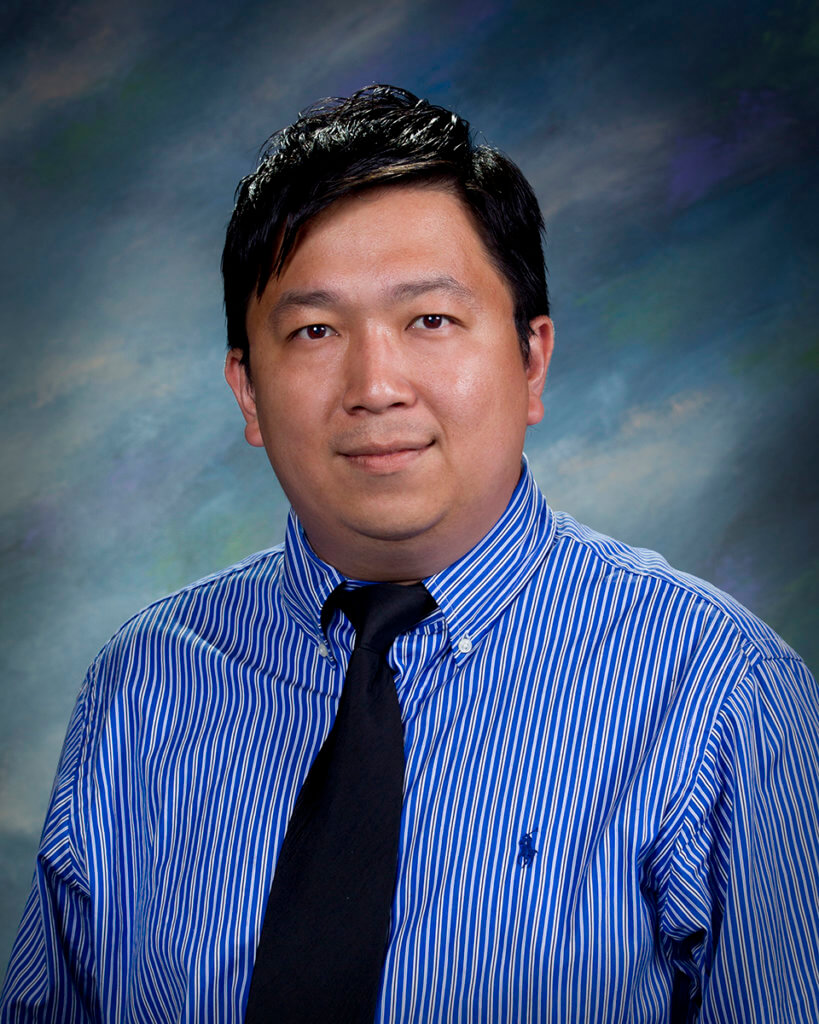
Faculty Feature: Dr. Chee Kin Lim

A formal portrait of an individual wearing a blue striped shirt and a black tie, set against a softly blurred background.

The Vet Gazette continues its series on recently promoted faculty by shining the spotlight this week on Dr. Chee Kin Lim, who was promoted to clinical associate professor of diagnostic imaging in the Department of Veterinary Clinical Sciences. His role involves teaching diagnostic imaging to veterinary students, interns, and residents, working daily with clinical cases, participating in collaborative research, and providing continuing education to veterinarians around the world.

Dr. Lim grew up in Kuala Lumpur, the capital city of Malaysia, and knew he wanted to be in the medical field from a young age. As he got older, he was attracted to veterinary medicine because he wanted to work with multiple species and was interested in helping patients that cannot tell you exactly what they are experiencing. He said he feels professionally fulfilled because of the joy he gets from teaching and because he appreciates the cohesiveness of the Diagnostic Imaging team. He credits his students and colleagues with motivating him to constantly improve and expand his knowledge of veterinary medicine.

The fact that medicine is a never-ending learning process is one of his favorite aspects of being in the field, not to mention the frequent Bubble Tea Challenge that the Diagnostic Imaging team conducts (when two team members have different opinions on a case and one is proven correct, the loser buys bubble tea for the winner)!

In his spare time, Dr. Lim enjoys cooking with his wife, spending time with his parents in Malaysia, and playing video games. Asked what his biggest career achievement has been, he shared this heartfelt response: “Being able to look forward to going to work every morning and enjoy the job that I do, witnessing my residents become board-certified radiologists, and having the full support of my wife and my parents have been the greatest blessings of my career so far.”

Dr. Lim is one of three PVM faculty members who received promotions for the current academic year.
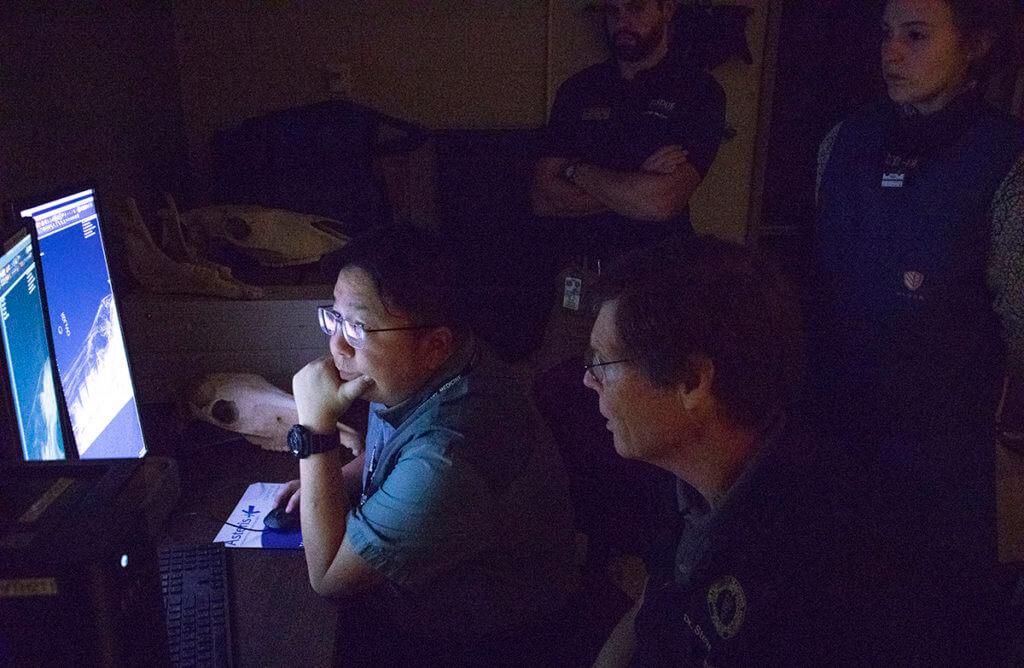

A group of individuals observe data on a computer screen in a dimly lit setting.
Dr. Chee Kin Lim looks over an equine image with Dr. Steve Adams and veterinary students.

Writer(s): Maya Sanaba, PVM Communications Intern | pvmnews@purdue.edu

Recent Stories

“Paws Up” for Jennifer Danaher – brought to you by the PVM Wellness Committee

This week we express our gratitude to Jennifer Danaher, who is department secretary for Veterinary Clinical Sciences.

‘Purdue Pursuits’: A PVM angle on Purdue’s teaching and learning reading groups

Crafting meaningful and engaging course experiences has been at the top of Dielson Vieira’s mind ever since he joined the Purdue University College of Veterinary Medicine’s faculty in 2024. As a clinical assistant professor in the Department of Basic Medical Sciences, Vieira is already adept at applying innovative teaching practices to classroom environments, but that doesn’t stop him from seeking out new ideas, approaches and perspectives — insights he gains through outlets like Purdue’s teaching and learning reading groups.

Top tier biology journal publishes PVM study that unlocks secrets of a drug-resistant fungal pathogen, which causes serious infections in humans

Though the name “Candida auris” is far from a household term, public health experts know it well because the multi-drug-resistant fungal pathogen, which causes serious human infections, has been classified as an urgent threat by the U.S. Centers for Disease Control and Prevention (CDC) Antibiotic Threats Report (2019). Dr. Shankar Thangamani, Associate Professor of Microbiology and University Faculty Scholar in the Purdue University College of Veterinary Medicine’s Department of Comparative Pathobiology, is researching C. auris, aided by a 2.4 million grant from the National Institutes of Health (NIH). New research findings, just published in Nature Microbiology, show how C. auris adapts and evades the immune system.

In Print: ‘Translational Research Methods for Tauopathies’

A just-published 300-page volume edited by Jessica Fortin, Purdue assistant professor in the College of Veterinary Medicine’s Department of Basic Medical Sciences, provides a significant new resource for researchers studying a group of neurodegenerative diseases known as tauopathies. “Translational Research Methods for Tauopathies” provides detailed protocols intentionally selected to serve as a basis for research laboratories seeking to further treatments for such debilitating neurodegenerative diseases as Alzheimer’s and chronic traumatic encephalopathy (CTE).

It’s Almost Here!

Though the annual Purdue Veterinary Conference is almost upon us, there’s still time to register and take advantage of this time-honored College of Veterinary Medicine fall tradition that combines excellent continuing education with fun opportunities for reconnecting with colleagues and classmates, networking, and learning about the latest veterinary trends and products. The 2026 Purdue Veterinary Conference takes place September 23–26 on the Purdue University campus. The annual event has something for everyone, from veterinarians to veterinary technicians, faculty, staff and students.