
HAPI Articles
Welcome to the Human-Animal Partnerships and Interactions (HAPI) Lab research summaries. Here, you’ll find accessible overviews of our work exploring the powerful connections between humans and animals.
Our studies focus on human-canine and human-equine partnerships, examining their biopsychosocial impacts through a mixed-methods approach. From understanding how animal-assisted interventions can support individuals and families facing trauma to exploring the mutual benefits of these interactions for both people and animals, our research seeks to enhance the effectiveness and well-being of these partnerships.
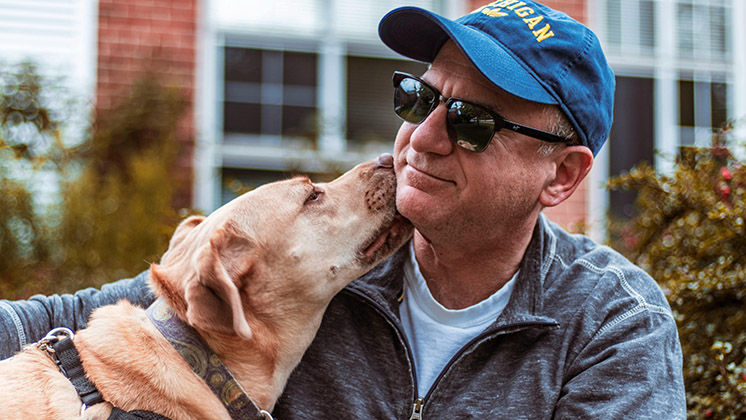
How Service Dogs Help (and Challenge) Caregivers
Discover how mobility and medical alert service dogs impact caregivers, offering emotional support and stress relief but also introducing challenges like maintenance and travel, as revealed in this insightful study.
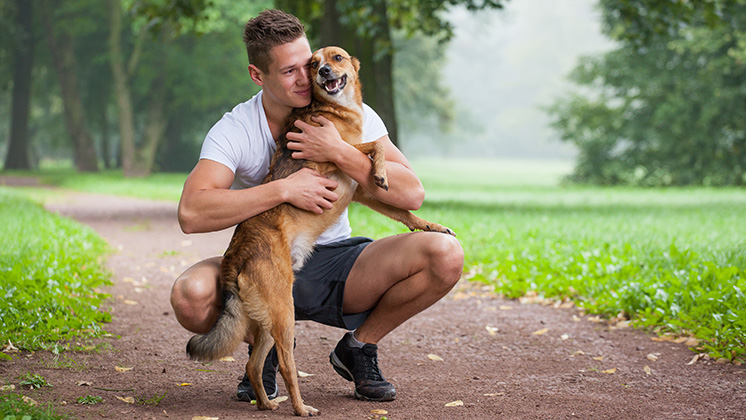
How Service Dogs Impact the Stress Response in Veterans with PTSD
Learn how service dogs may improve the stress response in veterans with PTSD by enhancing the cortisol awakening response, offering both emotional and physiological benefits.

How Service Dogs Transform the Lives of Families with Autistic Children
Discover how service dogs transform the lives of families with autistic children by fostering social connections, offering emotional support, and enhancing family dynamics, as highlighted in recent research.

Navigating Grief in Equine-Assisted Services Programs
Discover how equine-assisted services practitioners navigate the emotional and practical challenges of losing a program horse, with insights on grief, memorials, and community support.

Paws at Work: Can Pets Make the Office a Happier Place?
A systematic review of 20 studies explores how pets in the workplace can reduce stress, support mental wellbeing, and boost social connection and engagement while also highlighting challenges like allergies, distractions, and the need for clear, animal-friendly guidelines.

PTSD Service Dogs for Veteran Families
Discover how PTSD service dogs impact not just veterans but their families, highlighting benefits like increased activity participation alongside challenges like caregiver burden and satisfaction.
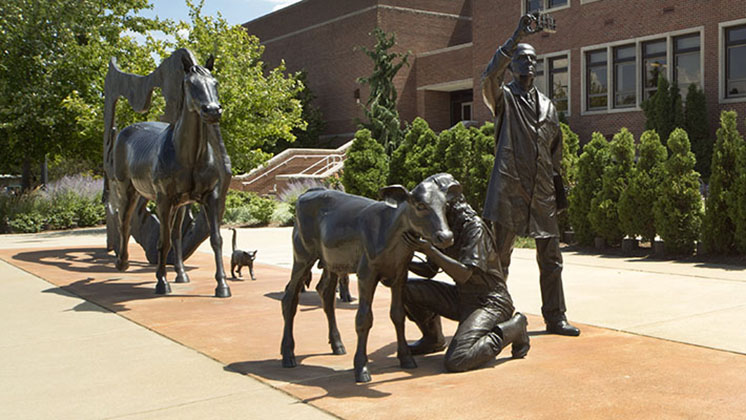
The Growing Global Landscape of Human-Animal Interaction Centers
Explore the rapid growth of human-animal interaction (HAI) research from 2016 to 2021, focusing on global collaboration, educational integration, and advancing the well-being of humans and animals alike.
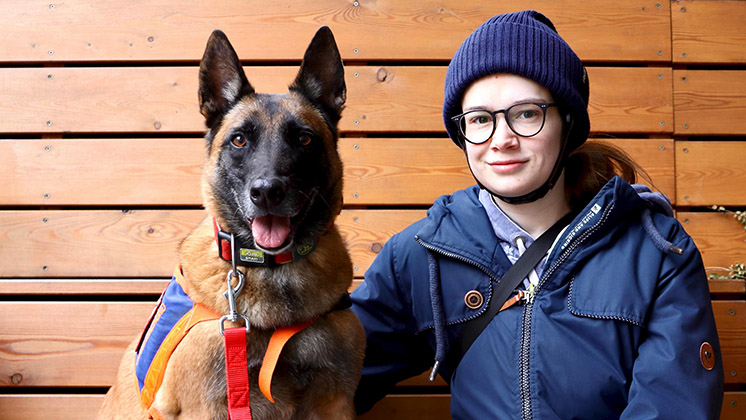
The Healing Power of Assistance Dogs for Veterans with PTSD
Explore how psychiatric assistance dogs help veterans with PTSD, reducing symptoms, improving mental health, and fostering social connections, as highlighted in a comprehensive review of 41 studies.

The Role of Pets in Managing Pandemic Uncertainty
Discover how pets became essential emotional lifelines during the COVID-19 pandemic, offering comfort, routine, and stress relief amidst unprecedented uncertainty.
