
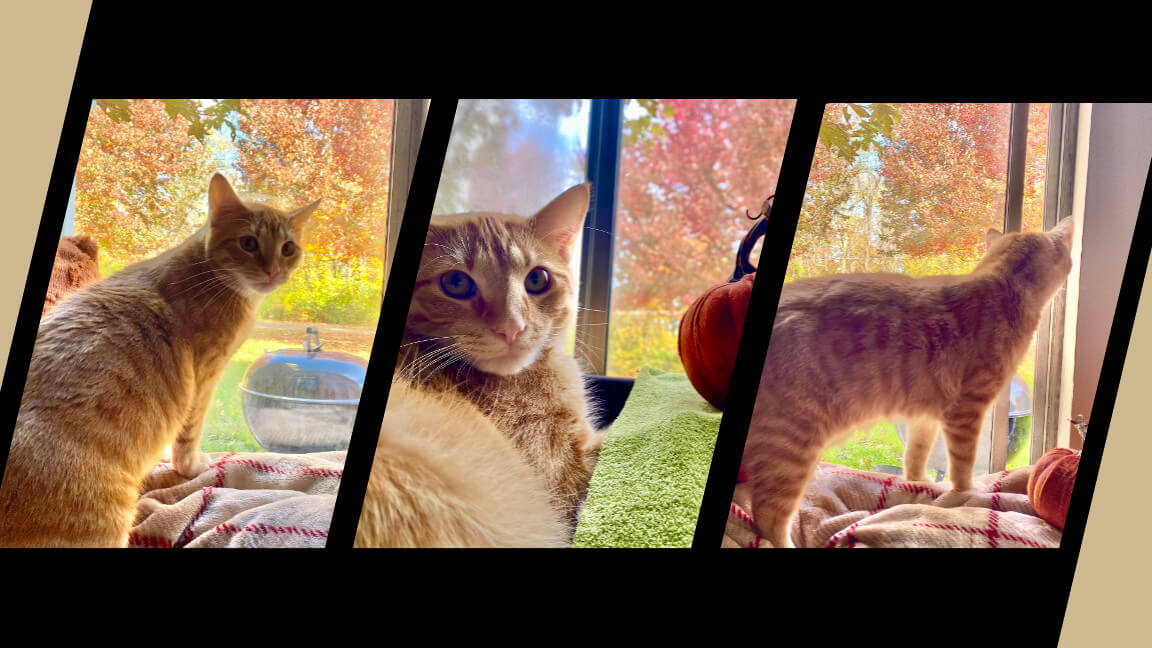
It’s Halloween! So don’t forget about your furry friends and how the excitement of trick-or-treaters and unfamiliar faces can disrupt their usual routine. Pets go missing all year long, of course, but especially during Fourth of July and Halloween celebrations.
Dr. Candace Croney, the director of the Center for Animal Welfare Science who holds a joint appointment in the College of Veterinary Medicine and the College of Agriculture as professor of animal behavior and well-being, and her lead scientist team members in the Croney Research Group, Judith Stella and Mikel Delgado, have compiled helpful tips and tricks in a question and answer format to help you ensure your pets stay calm, comfortable and secure this fall.
Why do pets go missing during Halloween, and what steps can pet owners take to keep them safe?
The most likely reason pets go missing during Halloween is because opening doors frequently to hand out candy to trick-or-treaters makes pet escapes more likely. Many cats and dogs may become uncomfortable when there are visitors at the home, and constant doorbell ringing and strangers knocking on the door can be startling, causing stress. In a panic, some pets may try to escape the situation by bolting outdoors.
To prevent escapes and reduce stress, pet owners can set up a sanctuary during trick-or-treat night. The area should be familiar and comfortable to the pets and have everything they need, including a bed, water, food and litter box, if needed.
Even if your pet prefers the outdoors, consider bringing them inside for the night. Although your backyard might be safe and secure, there’s always a risk of escape. Fences aren’t always foolproof if a pet is in distress.
Prior to trick-or-treating festivities, make sure your pet’s microchip registration is current and that they’re wearing a collar with proper identification and your most up-to-date contact information in case they happen to go missing.
What advice do you have for pet owners who pass out candy during trick-or-treating?
For pets who are used to joining in on Halloween activities and enjoy the interactions that occur, the team says restricting them to a quiet place may not be necessary. However, even for these pets, it’s important that you monitor their behavior to be sure they do not become overstimulated, overwhelmed or tired.
If you have a dog, look for loud, continuous barking, whining, growling and other vocalizations that are not normal for them when they are comfortable. Cats may hiss or attempt to hide. Look for straight up tails, hair puffed out and curved posture. This is a cat’s most obvious visual warning that they are agitated and feel unsafe. Body postures, such as lowering themselves to the ground and tucking their tails, are clear signals that your pet — cat or dog — is no longer enjoying the experience. More specifically, look for attempts to escape or avoid people, objects or areas in which trick-or-treating activities are happening.
Instead of dealing with the chaos of doorbells and knocking, the team recommends setting up a chair on your front step or porch to greet trick-or-treaters, weather permitting. This approach can help avoid startling pets. Today, there are many alternatives to traditional doorbells, including video and silent doorbells that send alerts to your phone or light up instead of ringing. If you choose to stay inside, you can even put a sign on your door asking visitors not to knock.
However, if you know your pet experiences severe anxiety during Halloween, even with these preventive measures, talk to your veterinarian for further help.
Where is the best place to store the trick-or-treating candy bowl?
Keep candy safely out of your pet’s reach — in a bowl on a high counter, in a cabinet or even in the refrigerator. It is best to cover the container if your pet can access countertops.
If you suspect your pet has eaten something toxic, such as chocolate, call your veterinarian immediately. Keeping the number of an emergency clinic on hand can help ensure prompt treatment. Another option is calling the Pet Poison Helpline at 855-764-7661 for immediate assistance.
Common signs of toxicity in pets typically include vomiting, diarrhea, decreased appetite and excessive drooling. You may also notice behavioral changes such as unusual lethargy or hyperactivity. Seek veterinary advice or care immediately in these cases.
If you’re planning to take your pet trick-or-treating, what is important to know?
Although taking your pet trick-or-treating may seem like a great idea, the team recommends that most pets, especially cats, should stay safely at home.
If you do choose to bring your dog along, again, make sure they’re wearing a collar with your contact information, their microchip registration is up-to-date and they’re securely on a leash or in a carrier.
Just as you would at home, keep a close eye on your pet for any signs of fear or anxiety. These may include refusing to walk, attempting to escape, trembling, panting, drooling, growling, barking, snapping or biting. If your dog shows any of these behaviors, it’s best to head home right away.
Ultimately, use your pet’s typical behavior to guide your decision. If you aren’t sure they will do well if taken out for the night, leave them in a secure sanctuary where they can rest and relax.
Why is it important to avoid pet costumes?
The team strongly encourages pet parents to forgo pet costumes. While dressing up your pets can be fun for you, many pets who are not used to wearing clothing will find it uncomfortable, unpleasant and stressful.
Some costumes may restrict the pet’s movements, sight, hearing or even breathing, if they are too tight. On the other hand, oversized costumes can increase a pet’s risk of tripping, catching a limb or claw or falling. There’s also a great risk of costumes getting caught on furniture inside a home or on trees and shrubs outside, causing a pet to get trapped, causing fear and distress.
Instead of having your pet wear a full costume, consider a properly fitted holiday collar or bandana. This is a great option, as many dogs are used to wearing something around their neck. However, cats may need some time to get used to wearing a collar or bandana, especially if they’re not accustomed to it.
Another cute idea is to creatively decorate a cardboard box with holiday colors and motifs and set it out for your cat to explore. Several pet retailers offer holiday-themed beds and scratchers, offering you lots of great photo ops that won’t stress your pet.
How can pet owners keep their pets warm as temperatures begin to drop?
Halloween serves as a reminder that colder temperatures are on the way as we head into November and the winter months. The team advises pet owners to ensure that outdoor pets have safe, weatherproof shelters to protect them from snow, rain, wind and other harsh elements. It’s important to allow your pet to access the indoors during inclement weather.
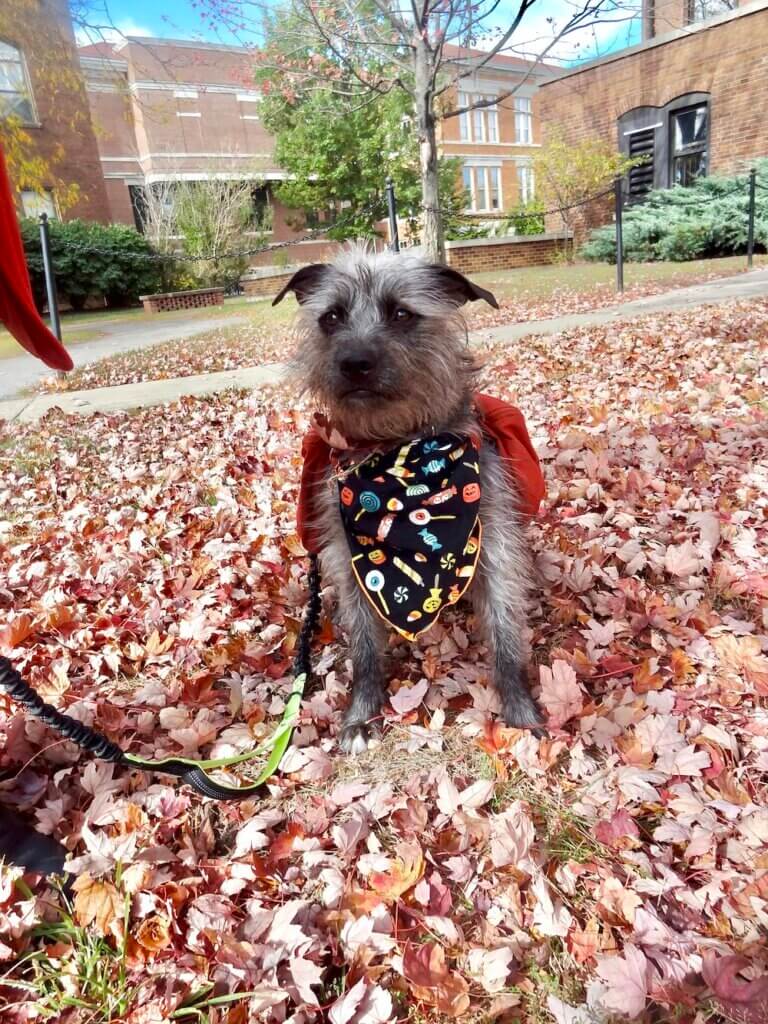
Some dogs, especially smaller breeds or those with thin coats, may benefit from wearing a winter coat during walks. For cats, even indoor cats, a pet-safe heated bed can provide extra comfort, as they often prefer temperatures slightly warmer than those preferred by dogs or humans.
As important as Halloween safety is, preparing for the colder months ahead is just as critical. By providing proper shelter, warmth and monitoring your pets’ behaviors, you can help ensure they stay safe, happy and cozy all winter long.
