
An essential state resource and integral component of the Purdue University College of Veterinary Medicine is the Indiana Animal Disease Diagnostic Laboratory (ADDL), consisting of two laboratory facilities – the Willie M. Reed Animal Disease Diagnostic Laboratory located on the Purdue campus in West Lafayette, and the Dennis R. Heeke ADDL at the Southern Indiana Purdue Agricultural Center (SIPAC) in Dubois, Indiana. Fully accredited by the American Association of Veterinary Laboratory Diagnosticians (AAVLD), the ADDL helps protect animal and human health by providing timely, accurate, and reliable testing needed for the diagnoses of animal diseases, including those that may affect the human population.
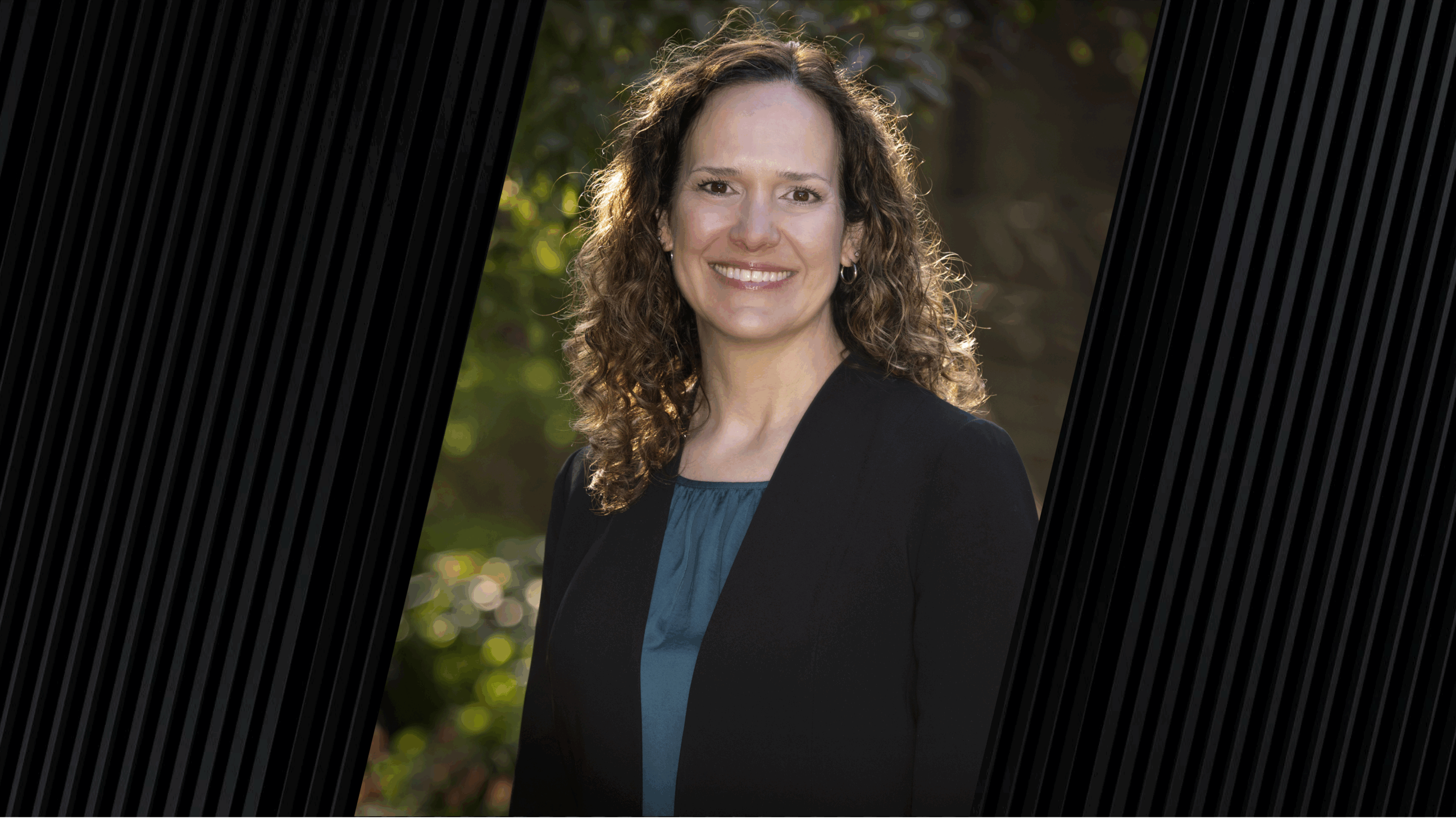
Now the leader of the ADDL has a title to match the growing significance of the entity’s indispensable role as a diagnostic resource for the state and nation. As of July 1, Dr. Kenitra Hendrix, who serves as director, holds the new title of associate dean for the veterinary diagnostic laboratories.
“This title reflects an expanded scope of leadership and strategic oversight across the diagnostic laboratory enterprise,” said Purdue Veterinary Medicine Dean Bret Marsh. “It acknowledges the broader institutional role of the position in guiding clinical operations, advancing innovation, and supporting academic and research integration within the diagnostic sciences. It also recognizes the strategic leadership required at both the state and college level to ensure the laboratories meet the needs of stakeholders and exceed expectations for service.”
A diplomate of the American College of Veterinary Microbiologists in all three specialties – Virology, Immunology, and Bacteriology and Mycology, Dr. Hendrix has more than 15 years of experience working in multiple roles in state diagnostic laboratories. Dr. Hendrix earned her BS and DVM degrees at Auburn University and then worked as an associate veterinarian in small animal private practice in Alabama before pursuing specialty training at Washington State University. She served as a graduate research assistant, completed a clinical microbiology residency, and, in 2013, earned her PhD in the Department of Veterinary Microbiology and Pathology. That same year, she joined the Purdue Veterinary Medicine faculty as a clinical assistant professor of veterinary microbiology in the Department of Comparative Pathobiology and head of the ADDL’s Bacteriology and Mycology Section. She later opened the ADDL’s Parasitology Section and twice served as Interim Head of the Molecular Diagnostics Section before being appointed as ADDL Director in 2019. Dr. Hendrix also successfully ascended through the academic ranks with promotions to clinical associate professor in 2019 and clinical professor this year.
In her leadership role in the ADDL, Dr. Hendrix makes strategic decisions based on current science and client needs. “These include developing new tests, improving current tests, maintaining and enhancing quality system processes, improving efficiency of workflows, and creating educational materials,” Dr. Hendrix said. She characterizes her leadership style as one of building teams with a shared vision through trust engendered by her own dedication and willingness to face challenges. “My approach to leading in the workplace is tied to fostering enthusiasm and optimism, and involves asking questions, being willing to challenge the norm, and always seeking to find a better way.”
Among her accomplishments, Dr. Hendrix provided the leadership necessary for the ADDL to answer Purdue’s need during the COVID-19 pandemic for testing services to keep the campus open. Under her leadership, and at a time when she also was serving as a member of Purdue’s Medical Advisory Team, the ADDL obtained the special CLIA certification that enabled the lab to conduct tests on human samples for COVID-19. The lab performed a total of more than 200,000 SARS-CoV-2 PCR tests on human samples in support of Protect Purdue, providing results that guided campus policies and enabled university compliance with National Collegiate Athletic Association policies.
Dr. Hendrix also led the ADDL through major responses to avian influenza outbreaks that could have crippled Indiana’s agriculture economy – among them the ongoing national outbreak that began in Indiana in 2022. A surge in early 2025 resulted in over 22,000 tests being performed at the ADDL between January and April. Also under her leadership, the ADDL received a 35% increase in recurring state funding in FY2024, and she has been responsible for more than $500,000 in project-related grant funding.
In addition, Dr. Hendrix has facilitated productive and collaborative research relationships with veterinary clinicians and residents, research faculty at Purdue University and other institutions, and colleagues in private companies and the federal government. She also contributes to the college’s teaching mission, providing instruction that spans undergraduate, professional, and graduate courses and she established the first Clinical Microbiology Residency at Purdue. Outside of the college, she serves as an active member and leader in the American College of Veterinary Microbiologists (ACVM) and the American Association of Veterinary Laboratory Diagnosticians (AAVLD).
“Our college has a great heritage of serving our state, the veterinary medical profession, animal agriculture, companion animal health, and public health and safety by providing outstanding diagnostic testing services,” Dean Marsh said. “Now Dr. Hendrix has a title that is befitting for the way she is carrying that tradition forward with positive and inspired leadership.”
