
The American Veterinary Medical Association (AVMA) honored a graduate of the Purdue University College of Veterinary Medicine, Dr. Jim Riviere, of Raleigh, North Carolina, as the recipient of the 2023 AVMA Lifetime Excellence in Research Award. Dr. Riviere is a distinguished professor emeritus at Kansas State University and North Carolina State University. He earned both his DVM and PhD degrees at Purdue in 1980.
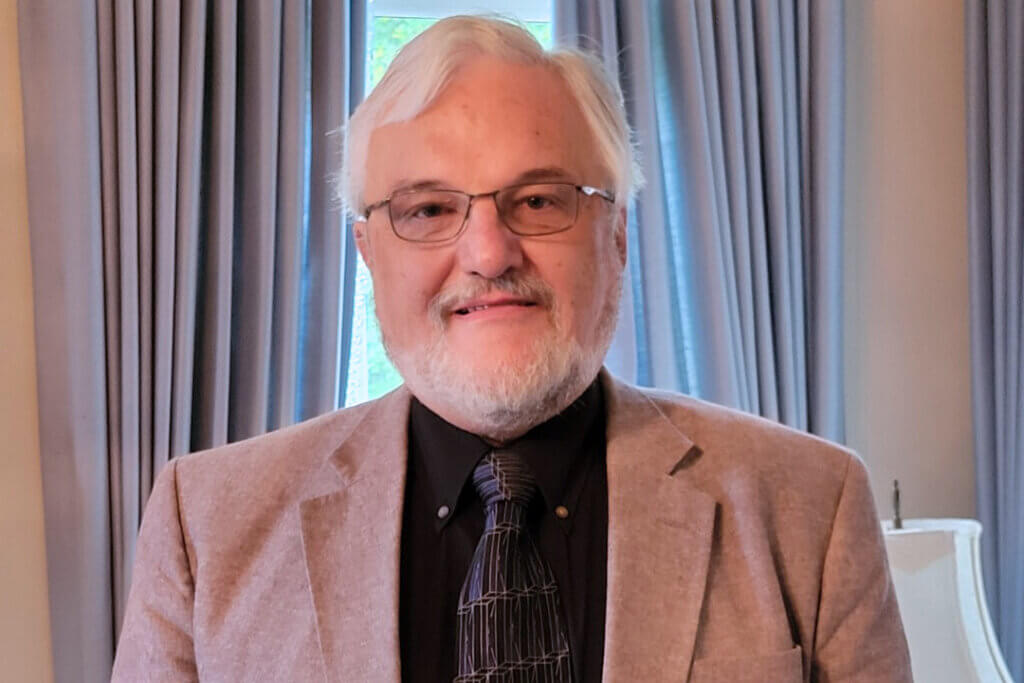
Established in 2005, the AVMA Lifetime Excellence in Research Award recognizes a veterinary researcher for lifetime achievement in basic, applied, or clinical research. Winners are selected on the basis of the total impact their career has had on the veterinary or biomedical professions. The award was announced at the 2023 AVMA Annual Convention.
“Over the course of his esteemed career, Dr. Riviere has helped to vastly improve animal health and food safety through his pioneering research,” said Dr. Lori Teller, president of the AVMA. “This award is a heartfelt recognition of his invaluable contributions to veterinary science and public health.”
Among Dr. Riviere’s lasting legacies is the creation of the Food Animal Residue Avoidance Databank (FARAD) in 1982. Dr. Riviere, along with other founding members, formed FARAD to assist veterinarians involved in food animal practice, and to protect public health. Under Dr. Riviere’s leadership, FARAD has had a strong influence on the discipline of veterinary pharmacokinetics, and countless scientists across the country have been trained by FARAD scientists. This effort has produced several valuable publications and books that have advanced animal and public health, and Dr. Riviere’s research with FARAD is recognized by the FDA, USDA, and regulatory agencies throughout the world.
“I am so thankful to the AVMA both for this recognition and the unwavering support they have given FARAD over the years,” said Dr. Riviere in a recorded acceptance speech.
Dr. Riviere’s major pioneering contributions to FARAD were the development of novel pharmacokinetic methods and tools to calculate withdrawal intervals of drugs and environmental chemicals in food animals. These are now the major methods that FARAD responders are using to provide withdrawal interval recommendations for thousands of requests that FARAD receives every year, which directly impacts millions of food animals on an annual basis. Dr. Riviere’s original research contributions have significantly impacted food safety assessment and regulation of pharmaceuticals in human food safety for four decades, and will continue to have a lasting impact in this area.
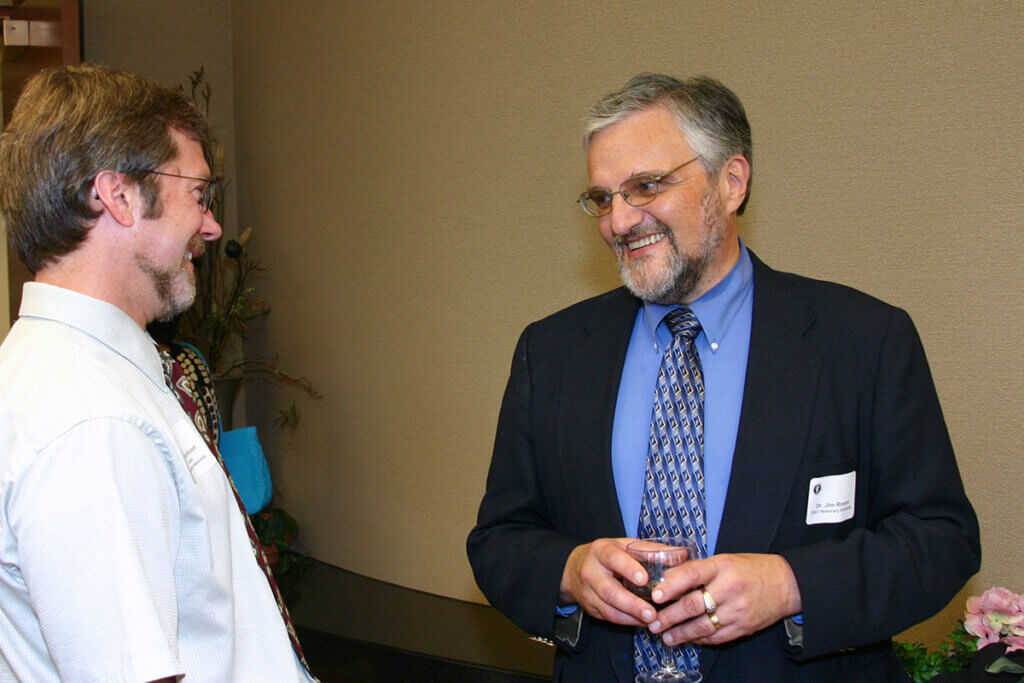
In addition to Dr. Riviere’s FARAD contributions, he has established himself as one of the pioneers in veterinary pharmacokinetics, nanotoxicology, and topical drug delivery. He has written two books on veterinary pharmacokinetics, and is one of the editors of the last two editions of Veterinary Pharmacology and Therapeutics, which is a primary veterinary pharmacology resource used internationally. From 1989-1992, and again from 1999-2018, Dr. Riviere served as editor of the Journal of Veterinary Pharmacology and Therapeutics (JVPT), where his leadership and expertise greatly influenced the reputation that the journal enjoys today.
Although Dr. Riviere retired from teaching in 2017, he remains active as a science advisor to FARAD and the 1Data Consortium, a partnership developed to share human and animal health research data. He has left a legacy of excellence in research, graduate training, and mentorship that is still evident today. His graduate students are active in industry, regulatory, and academic positions throughout the world.
For his many contributions to the field, Dr. Riviere previously has been recognized through a number of awards and honors, including election to the National Academy of Medicine, and receiving the O. Max Gardner Award from the University of North Carolina system, a Lifetime Achievement Award from both the European Association of Veterinary Pharmacology and Toxicology and the American Association of Veterinary Pharmacology and Therapeutics, and an honorary Doctor of Science degree from Purdue University. He also is an honorary diplomate of the American College of Veterinary Clinical Pharmacology.
Click here to view Dr. Riviere’s acceptance video.
To learn more about the AVMA Lifetime Excellence in Research Award and past recipients, visit avma.org/awards.
