
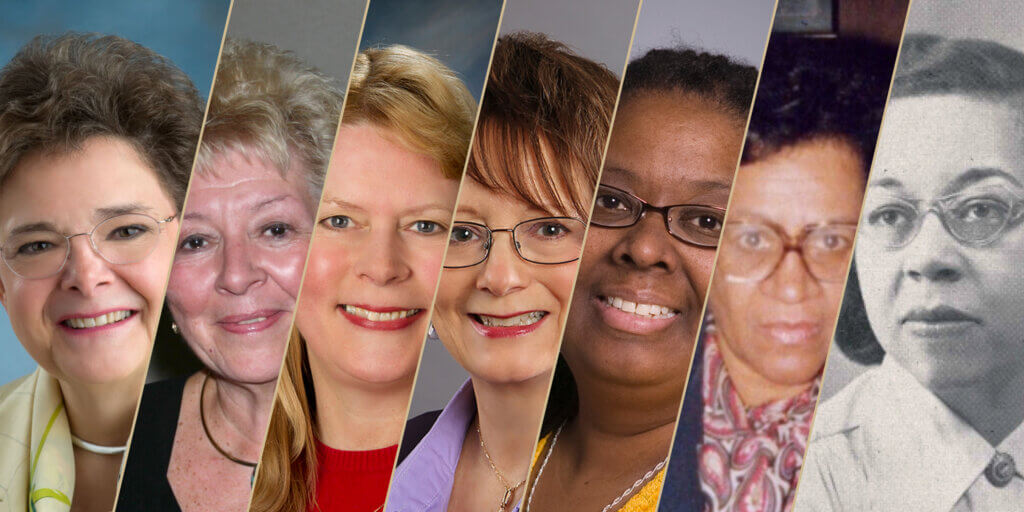
Since 1987, the month of March has been designated as National Women’s History Month recognizing, honoring, and celebrating the achievements of American women, and a special presidential proclamation for the month is issued every year. The Purdue University College of Veterinary Medicine joins in this national celebration of women’s accomplishments by spotlighting examples of influential women in veterinary medicine, including those who are Purdue alumni and faculty.
Dr. Mary Beth Leininger (PU DVM ’67)
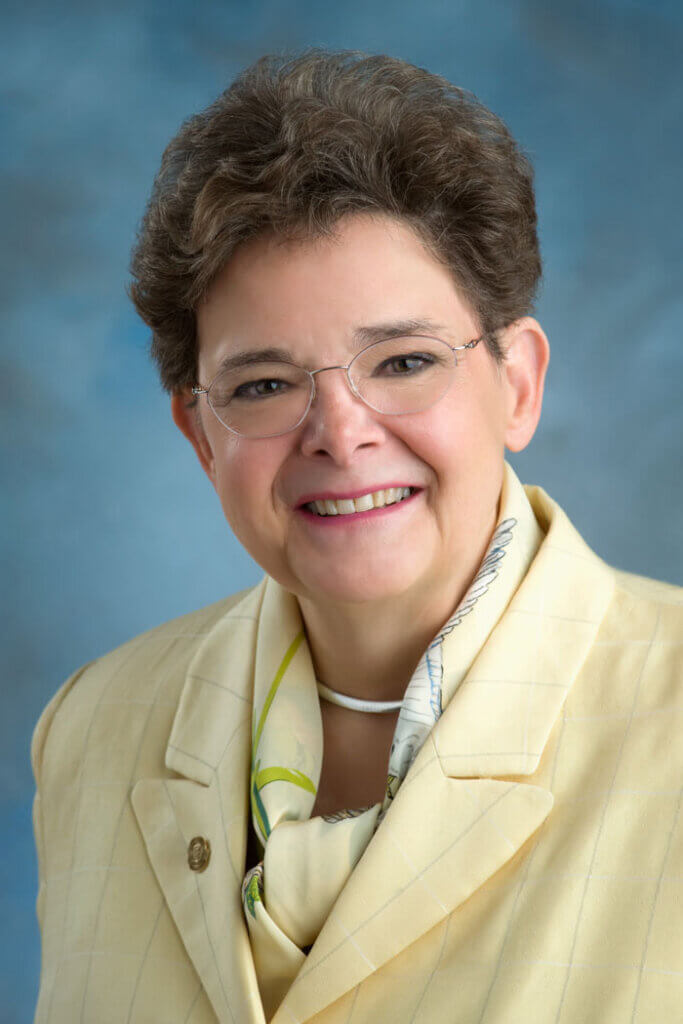
One of the first women to earn a Purdue DVM degree is Dr. Mary Beth Leininger, who graduated in just the fifth class of Purdue veterinary students, the Class of 1967. She was one of just seven women students in that class and upon graduation they brought the total number of women Purdue veterinary graduates to just 12. Dr. Leininger went on to have an extraordinary career that highlights the pioneering role these women played as Purdue veterinary alumni. Dr. Leininger served in multiple ways, including as a successful private practitioner, volunteer leader, industry executive, and most notably, the first woman president of the American Veterinary Medical Association, an organization that was founded in 1863. As AVMA president, Dr. Leininger introduced many initiatives that developed into major programs for the AVMA, including the National Commission on Veterinary Economic Issues (NCVEI), the AVMA State Legislative Initiative and the AVMA President’s Washington Roundtable. She received the Purdue Veterinary Medicine Distinguished Alumna Award in 1992.
Dr. Carol Ecker (PU DVM ’64)
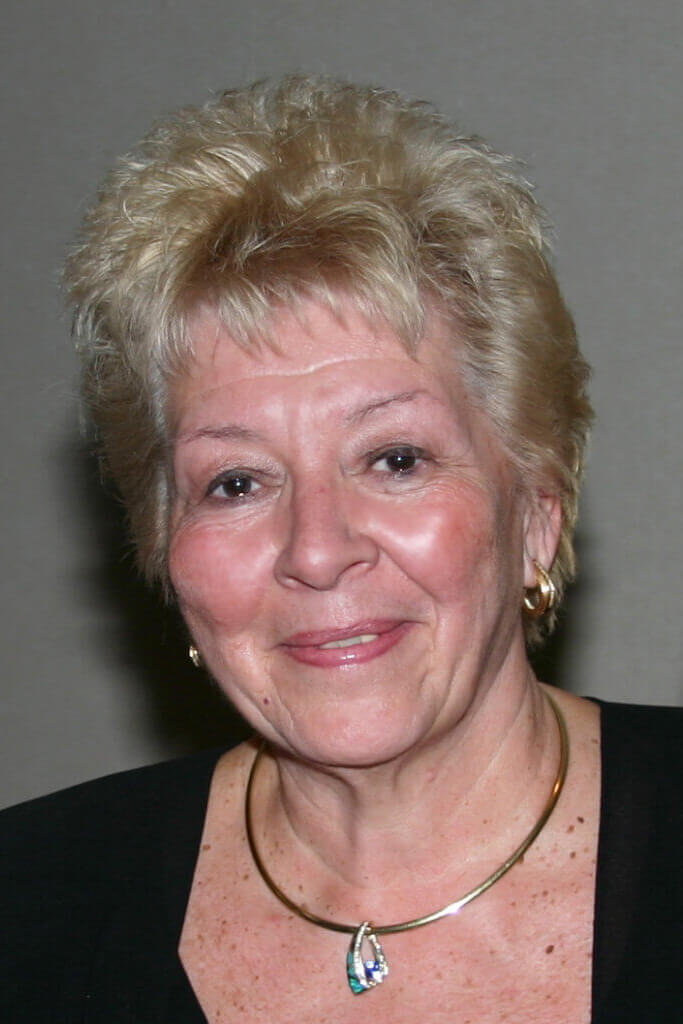
The Class of 1964 was the first Purdue veterinary class to have women students. There were just two and while they both had successful careers, Dr. Carol (Van Paemel) Ecker went on to influential roles in the Indiana Veterinary Medical Association (IVMA) and at Purdue University. After graduation, Dr. Ecker worked in private practice as a practice owner in South Bend, Indiana, where she was president of Clayview Animal Clinic for more than 40 years. She also actively participated in organized veterinary medicine and became the IVMA’s first woman president, as well as a key leader in establishing the Indiana Animal Health Foundation in 1997. Dr. Ecker received the college’s Distinguished Alumna Award in 1989. She received the IVMA Veterinarian of the Year Award that same year and the IVMA President’s Award in 2009. She also became a prominent Purdue University leader, serving on the Purdue Board of Trustees from 1988-1997. In 1998, she received the Distinguished Pinnacle Award from the Purdue President’s Council and she was honored in 2012 as a recipient of Purdue’s Title IX Distinguished Service Award for her contributions in maximizing institutional and societal resources to broaden access and opportunity to women in higher education. Even after retiring from private practice, she continued to serve, working as the medical director for the Humane Society of St. Joseph County. Dr. Ecker passed away in 2019 at the age of 78.
Dr. Kathleen Salisbury (MSU DVM ’79, PU MS ’84)
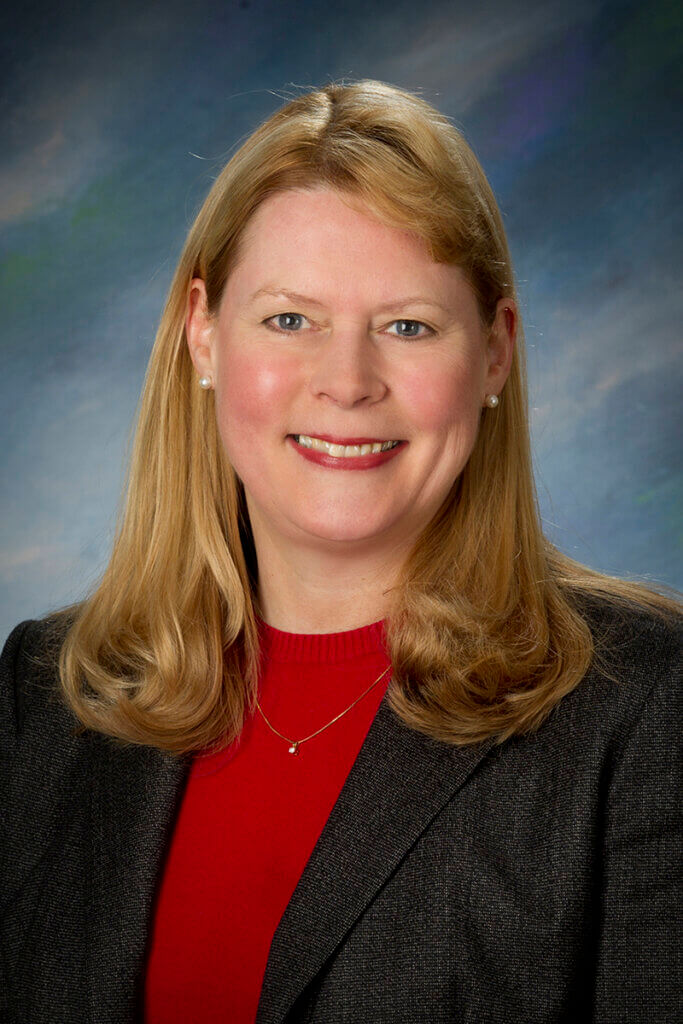
Dr. Kathleen Salisbury began her veterinary career after earning her DVM degree at Michigan State University in 1979, but her path quickly led to Purdue University. While initially working in private practice, she realized how much she loved doing surgery, and chose to pursue a small animal surgery residency program. That opportunity surfaced at Purdue, where she started her residency in 1981. After completing the program she received an offer for a faculty position in the College of Veterinary Medicine, and her influential career in academic veterinary medicine began. Board certified by the American College of Veterinary Surgeons, she moved into administration when she was named associate dean for academic affairs in 2010, while retaining her teaching role as professor of small animal surgery. Her list of accomplishments is appropriately lengthy. Dr. Salisbury has been recognized for developing national and international veterinary curriculum and specialist training, and has been involved in every major curriculum revision in the College of Veterinary Medicine since she joined the faculty. She has won 18 college teaching awards over the span of her career including Purdue Veterinary Medicine’s Career Teaching Award, Alumni Outstanding Teaching Award, and Weedon Faculty Recognition Award. She also received the national Carl J. Norden-Pfizer Distinguished Teacher Award. Additionally Dr. Salisbury is a member of Purdue’s Book of Great Teachers, a charter member of the Teaching Academy, and an honored mentor for the American College of Veterinary Surgeons Foundation. In 2018, her accomplishments culminated in her being named a 150th Anniversary Professor by Purdue’s Office of the Provost in recognition of her excellence in teaching at Purdue. She is one of ten faculty chosen as inaugural 150th Anniversary Professors in conjunction with the 150th anniversary of Purdue in 2019.
Dr. Ellen Lowery, (KSU DVM ’88; PhD ’94; UK MBA 2012)
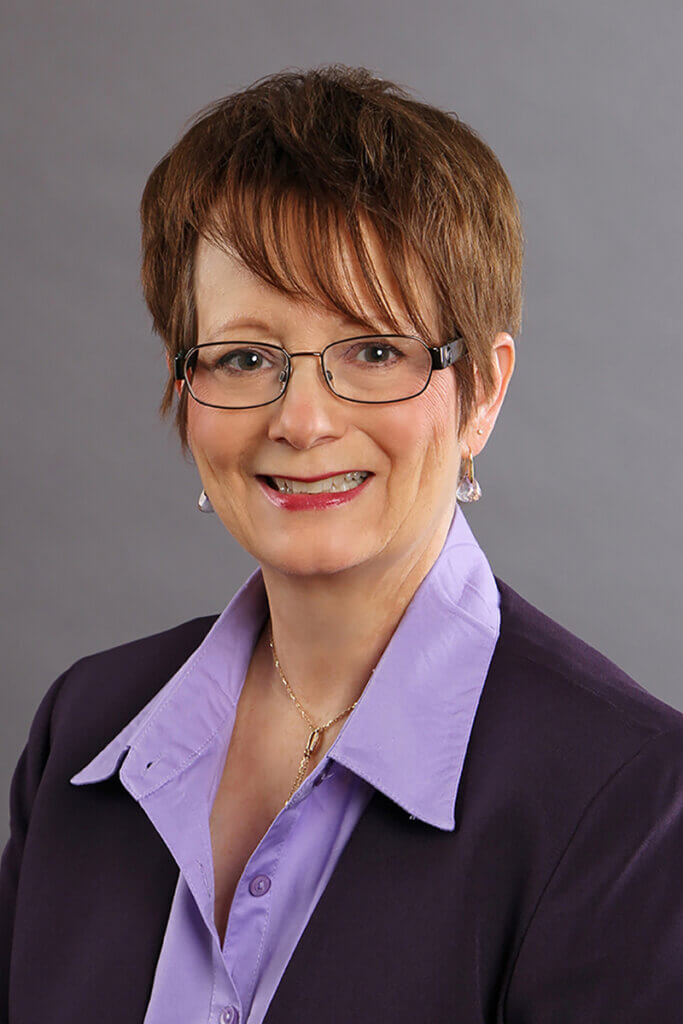
When Dr. Ellen Lowery assumed the role of director of the Purdue University Veterinary Hospital, it was February 1, 2020, just as construction was set to begin on the College of Veterinary Medicine’s new veterinary medical hospital complex and right before the COVID-19 pandemic unfolded in the U.S. For Dr. Lowery, these challenges were new chapters in a career she knew she would pursue when she was just five years old and announced that she was going to be a veterinarian when she grew up. That career goal initially took her to Kansas State University where she received her DVM degree in 1988 and then went on to earn her PhD in 1994, before obtaining her MBA at the University of Kansas. She worked 23 years at Hill’s Pet Nutrition, where her increasingly important leadership positions included director of North America professional and veterinary affairs. An advocate for personal leadership and professional development, Dr. Lowery was a member of the Hill’s Veterinary Leadership Task Force, co-led the establishment of the Hill’s Women Empowered Network and served as a facilitator for the Fundamentals of Colgate Leadership Course. Prior to joining Purdue, she was professor of practice in animal health at Kansas State University’s Olathe campus, teaching in graduate level classes in the Veterinary Biomedical Science Program and serving as a faculty member in the departments of Comparative Pathobiology and Public Health. Dr. Lowery also serves as the director of the Veterinary Oral Health Council and in the American Veterinary Medical Association’s House of Delegates, representing the American Association of Industry Veterinarians. Additionally, she served as the president of the American Veterinary Dental Society and on boards for the Kansas Veterinary Medical Association, Partners for Healthy Pets, the Veterinary Innovation Council and PRIDE Veterinary Medical Community. Last year she was included in an article entitled “22 Extraordinary Women,” published in Today’s Veterinary Business, the official journal of the NAVC, that spotlighted outstanding women veterinarians.
Dr. Paula Johnson (LSU DVM ’95)
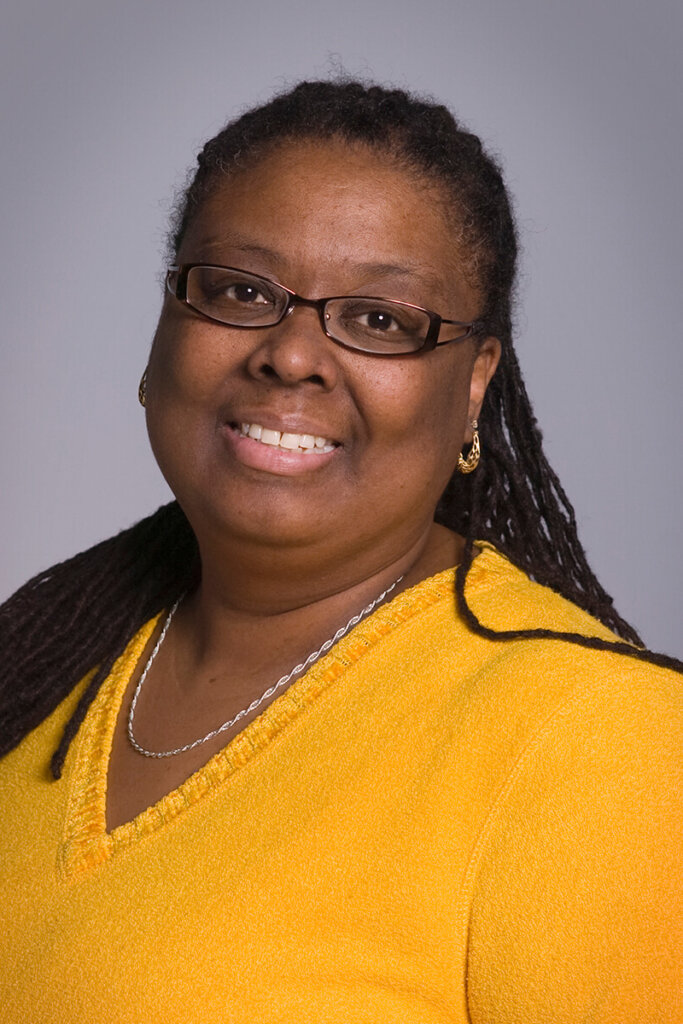
Dr. Paula Johnson fulfills the challenging role of Purdue clinical associate professor of small animal emergency and critical care. She earned her DVM degree in 1995 at Louisiana State University and went on to complete a residency at the University of Missouri-Columbia in 2002. Board certified by the American College of Veterinary Emergency and Critical Care, Dr. Johnson utilizes her expertise, experience, and teaching ability in the demanding field of veterinary emergency and critical care every day as she enters the Purdue University Veterinary Hospital Emergency Service. She joined the college in 2004 in a part-time capacity to help with the expansion of the Purdue University Veterinary Hospital’s Emergency Service as a 24-hour service for the local community. In 2007, she accepted a full-time position and helped foster an amazing increase in the hospital’s caseload. Additionally, Dr. Johnson has actively engaged in initiatives to help diversify the veterinary medical profession, including working with Veterinarians as One Inclusive Community for Empowerment (VOICE) and the Vet Up! program. Last year she was honored as a recipient of the Purdue Veterinary Medicine Faculty Excellence in Diversity and Inclusion Award, which recognizes faculty members who demonstrate a commitment to diversity and inclusion through active recruitment and retention efforts, teaching, research, multicultural programming, community outreach activities, or other initiatives.
These are just some of the influential, exemplary and accomplished women veterinarians associated with Purdue Veterinary Medicine – women who are true pioneers, following in the footsteps of earlier pioneers in the veterinary medical profession, like Dr. Alfreda Johnson Webb and Dr. Jane Hinton. In 1949, they became the first Black women to earn DVM degrees and be licensed to practice veterinary medicine in the U.S. Dr. Johnson Webb was born in 1923 in Mobile, Alabama, and after earning a bachelor of science degree at Tuskegee University (then called the Tuskegee Institute) she enrolled in the Tuskegee College of Veterinary Medicine. After earning her DVM degree, Dr. Johnson Webb remained at Tuskegee where she taught anatomy until 1959, completing her tenure there as an associate professor. She then served as a professor of biology at North Carolina Agricultural and Technical State University (NCA&T) from 1959-1978 and was a member of the planning committee which founded the School of Veterinary Medicine at North Carolina State University.
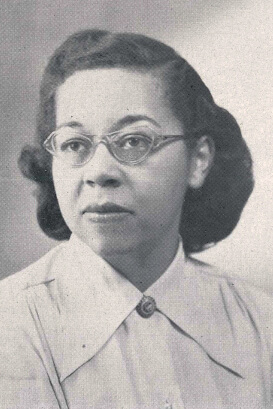
Dr. Hinton was born in 1919 in Canton, Massachusetts. She received her bachelor’s degree in 1939 at Simmons College in Boston, Massachusetts, after which she worked as a laboratory technician, co-developing the Mueller–Hinton agar, a culture medium that is now commonly used to test bacterial susceptibility to antibiotics. Following World War II, she decided to become a veterinarian and earned her VMD degree (DVM equivalent) at the University of Pennsylvania School of Veterinary Medicine. She then went into small animal private practice before joining the Department of Agriculture as a federal government inspector who was involved in research and responding to disease outbreaks in livestock.
As March draws to a close, let’s remember and appreciate this rich heritage of perseverance, accomplishment, and leadership by influential women in veterinary medicine, including those right here at Purdue University.
