

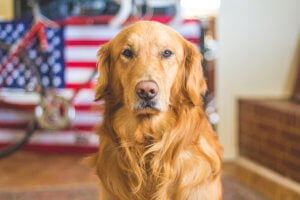
 Between parades, visitors, vacations, and the crackle of fireworks, Fourth of July festivities are filled with celebration; but unlike people, many pets associate those festivities with anxiety and panic. Dr. Lori Corriveau, wellness clinician in the Purdue University Veterinary Teaching Hospital’s Small Animal Community Practice, advises there are many simple ways to protect companion animals during Independence Day celebrations.
“Owners must use common sense when they allow pets to join the festivities,” said Dr. Corriveau. “For example, you should be mindful that some dogs like chasing those spinning and swirling fireworks on the ground. Others fear loud noises and you should take steps to mitigate their stress.”
Before firing off those bottle rockets, Dr. Corriveau suggests these helpful tips for lowering the stress of pets on and around July 4th:
Before the Festivities
Make sure your pets have updated contact information on their collar or harness. Consider leaving their IDs and harness on during this stressful time, as the extra excitement could lead your pets to run if presented with an opportunity. If your pet gets loose, make sure you have a current photo to help you reunite.
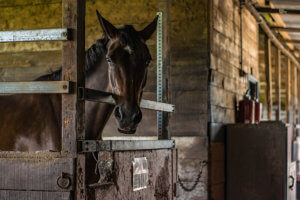 Remember to never leave pets alone outdoors when anticipating fireworks in your area, even if tethered or in a fenced yard. Dogs, especially, may escape and become lost or injure themselves chewing or choking on their leashes. Keep small pets indoors, preferably in a room without windows, and keep horses in their stalls. Make sure all sharp objects are removed from these enclosures.
Before the fireworks show, put indoor pets into a small, darkened room they are familiar with. Turn on the radio or TV for distraction and noise, and reward calm behavior with high-value treats.
Exercise your pets thoroughly before the fireworks start. A tired pet is a less anxious pet and will generally be mellower during the festivities.
Speak to a veterinarian about giving a mild sedative or tranquilizer to calm the fears of an over-stressed dog, cat, or horse. Sedation is helpful to some horses and dogs, and keep in mind that noise phobia can get worse as a pet ages.
If their fear seems to be maladaptive or getting worse, consider behavioral therapy to desensitize your pet and reduce the risk of panic.
During the Festivities
 Unless you know from experience that your pet is not stimulated by fireworks, do not take pets to fireworks shows. As always, do not leave a pet in a car unattended.
Keep pets on leash or in a carrier if they must be outside.
Protect animals from children, and children from animals, who may not realize that waving sparklers or setting off “safe” fireworks could upset pets.
After the cookout, check your yard and your home for food scraps, leftover sparklers, or other debris that could be harmful for your pet.
“It’s up to us to keep our animals safe and out of harm’s way,” says Dr. Corriveau. “By planning ahead and keeping their safety in mind, everyone can have a safe and happy Independence Day.”
