
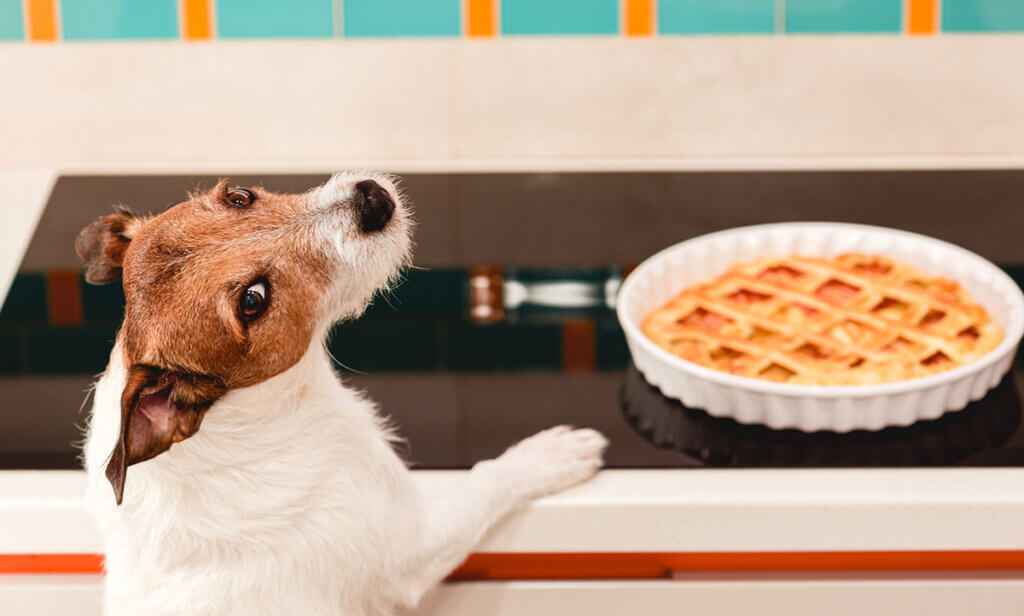
Thanksgiving is a wonderful holiday full of laughter, family gatherings, and feasts with more food than can ever be finished in one sitting. But while the holidays roll around, bringing fun and feelings of joy and thanks to many, these exciting settings can cause some dangers for our beloved pets. In order to keep your furry friends safe on Thanksgiving, follow the pet tips below – your pets will thank you!
FOOD
Most of us have shared a little human food with our pets before, but did you know that 60% of people share holiday meals with pets? During the holidays, most animal ER visits are due to eating something that is unhealthy or toxic for pets. Many foods can lead to upset stomachs, are poisonous to pets, or can cause life-threatening obstructions in small animals. To avoid discomfort or illness for your pet on Thanksgiving, avoid exposing them to these foods:
- Poultry bones, especially cooked – these can break off and cause a perforation of the digestive tract, and consumption of large amounts could cause an obstruction
- Grapes and raisins
- Excessively salty foods
- Foods flavored with onion or garlic powder
- Desserts and sweets containing Xylitol (sugar-free candy) or chocolate
- Macadamia nuts
- Raw salmon
- Mushrooms
- Coffee
- Avocado
- Rhubarb
- Bread dough
- Alcohol/ethanol
The temptation to share your scrumptious meal becomes increasingly exciting on Thanksgiving, but the foods mentioned above may cause serious complications to your pet’s health. In order to reduce the risk of exposure to these foods, inform your guests of these unhealthy foods for pets, as well.
ENVIRONMENT
The risk of exposure to unhealthy or toxic foods isn’t limited to the dining table. Pets can get their sneaky paws on a snack if food is not handled properly during prep or clean-up. Keep trash cans secure at all times – many items used in meal preparation can become dangerous if thrown away carelessly. Turkey string, foil wrappers, and other inedible items may smell like food and be eaten by a curious pet. When cleaning up after a meal, keep all leftovers securely sealed behind a pet-proof door.
Also, some like to decorate for the holidays early, but keep in mind that some of these cheery decorations can be dangerous to pets. Decorative plants such as mistletoe and holly can cause vomiting and lilies are often deadly to cats. Ribbons and tinsel are especially attractive and hazardous to cats and other curious critters. Keep these decorations off the floor and out of reach of your furry friends, and keep an eye on electrical cords to ensure puppies and kittens don’t chew on them.
RECOVERY
What do you do if you believe your pet’s curious paws have landed them in a dangerous situation? Dr. Lorraine Corriveau (PU DVM ’99), small animal primary care clinician in the Purdue University Veterinary Hospital, provides helpful advice.
If a pet consumes something they shouldn’t have, it is possible for them to vomit it up on their own. If they don’t, it can be tempting to make your dog or cat throw up in an attempt to save them. Dr. Corriveau warns, however, that inducing vomiting can be dangerous and should only be done under the supervision of a veterinarian. Batteries and sharp objects can cause dangerous and even lethal harm if regurgitated. Swallowed objects can cause blockages or perforations and the act of inducing vomiting itself comes with risks, such as aspiration pneumonia, especially in Pugs or Pekingese.
“Do not induce vomiting if your dog is lethargic or comatose or if they are having seizures,” Dr. Corriveau explains. “The safest thing to do is take your pet to a local veterinarian immediately. Inducing vomiting at home should be a last resort.”
Dr. Corriveau also advises that you should have a plan in case your pets consume food that is toxic to them, get injured, or escape on Thanksgiving – or any other day. Know the phone number and location of your local veterinarian along with their daily hours of operation. Many veterinary clinics do not take after-hours emergencies, but refer them.
Purdue’s Animal Emergency Service, however, takes emergencies 24 hours a day, 365 days a year. You can contact the Animal Emergency Service at 765-494-1107.
About the Purdue University Veterinary Hospital Small Animal Primary Care Service
During regular business hours, the Veterinary Hospital’s Small Animal Primary Care Service provides full-service primary veterinary care to pets, emphasizing communication, education, and service to clients, while operating as a model of private small animal practice to allow veterinary medicine and veterinary nursing students to gain experience in primary veterinary care and client communication. The service provides veterinary care for dogs and cats as well as a variety of other exotic animal species including birds, fish, rabbits, ferrets, reptiles, and more. To schedule an appointment, call the Veterinary Hospital at 765-494-1107.
